Best Museums in Austin You Shouldn't Miss
Austin's museums get treated as rainy-day backups to Barton Springs and the Greenbelt, which sells short a city that quietly built one of the more interesting small-museum landscapes in Texas.
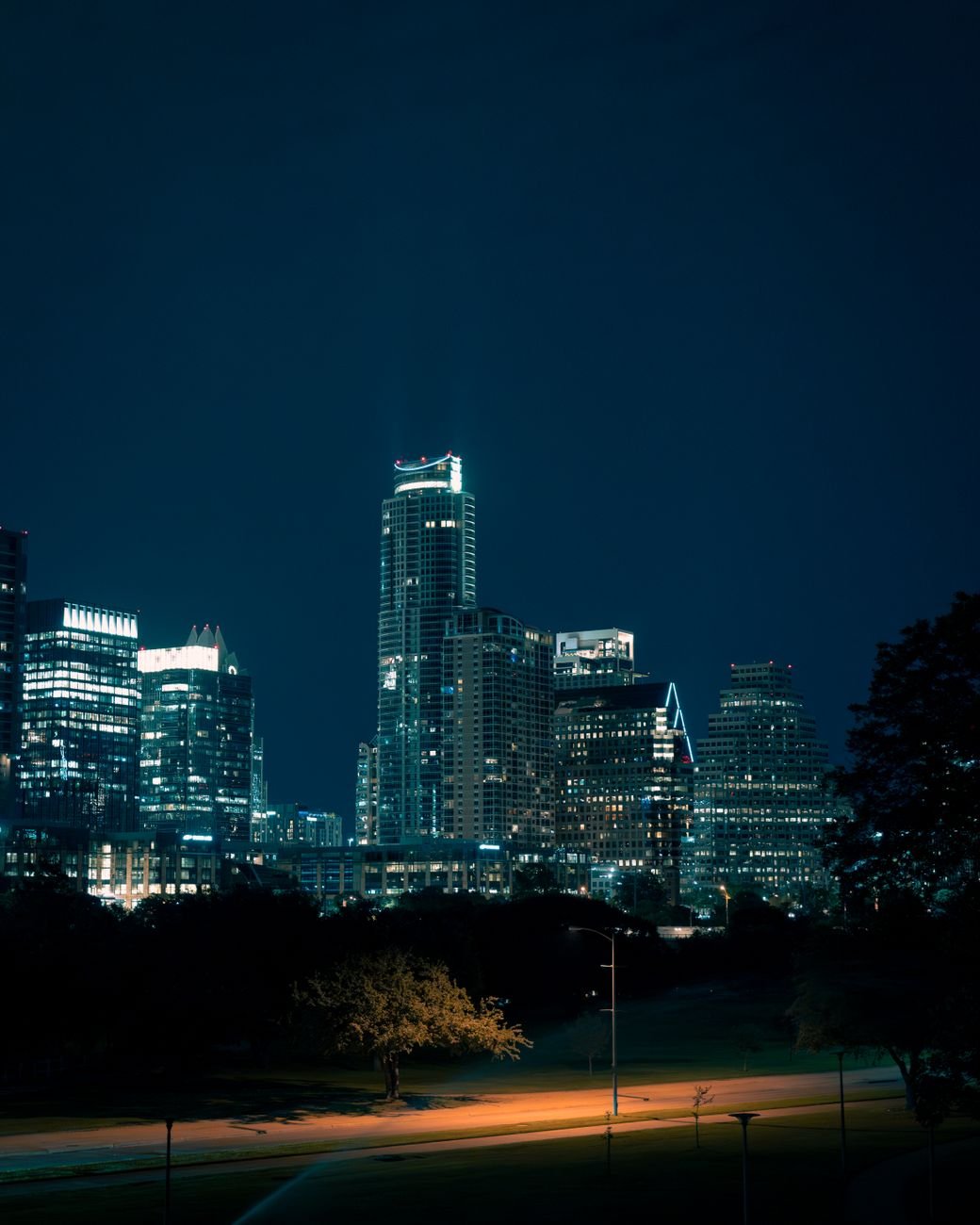
I got to Austin in the fall of 2001, driving up from Corpus Christi with a U-Haul and a chip on my shoulder about what a college town owes its residents culturally. Two decades later, when people ask me for the best museums in Austin, I still start with the one I found that first rainy Saturday: UT's own art museum, wedged near the footbridge over Waller Creek at the edge of campus. I got soaked walking there and didn't care, because nobody had told me a school known for football and student bars also had a museum worth getting wet for.
That contradiction is still the whole story of this city, honestly. Austin markets itself on live music and breakfast tacos and the swimming hole at Barton Springs, and none of that is wrong, but the museum scene here has never gotten its due, maybe because it doesn't fit the postcard. Some of it sits on the University of Texas campus and is free because your tax dollars and tuition dollars already paid for it. Some of it is tucked into house museums in Hyde Park and East Austin that most transplants drive past for years without noticing. A few are the kind of thing that makes you reconsider what you thought this city was for. None of it requires standing in a 6th Street line, and thank God for that.
The other thing worth saying up front, because it colors everything below: Austin is in the middle of an argument with itself about what it's becoming, and the museums sit closer to the old side of that argument than the new one. The tech money that's remade South Congress and pushed rents past what half my old East Austin neighbors can afford hasn't done much to build new institutions the way an older, scrappier Austin built the ones on this list. I mean that as an observation, not a complaint. These places, in Hyde Park and Mueller and on the university campus, mostly predate the boom, and visiting them is one of the few ways to spend an afternoon here that isn't implicitly about the newest thing.
What follows is organized by what you're actually in the mood for on a given day, because that's how Austinites use these places. Nobody here treats a museum trip as an event you build a whole day around, except maybe out-of-towners. Locals slot them in: an hour at the Blanton before lunch on the drag, Laguna Gloria on a Sunday when the crowds are thin, the Ransom Center on a 100-degree July afternoon when air conditioning becomes a genuine cultural need.
The Best Museums in Austin for Art, From Campus to the Lake
Blanton Museum of Art
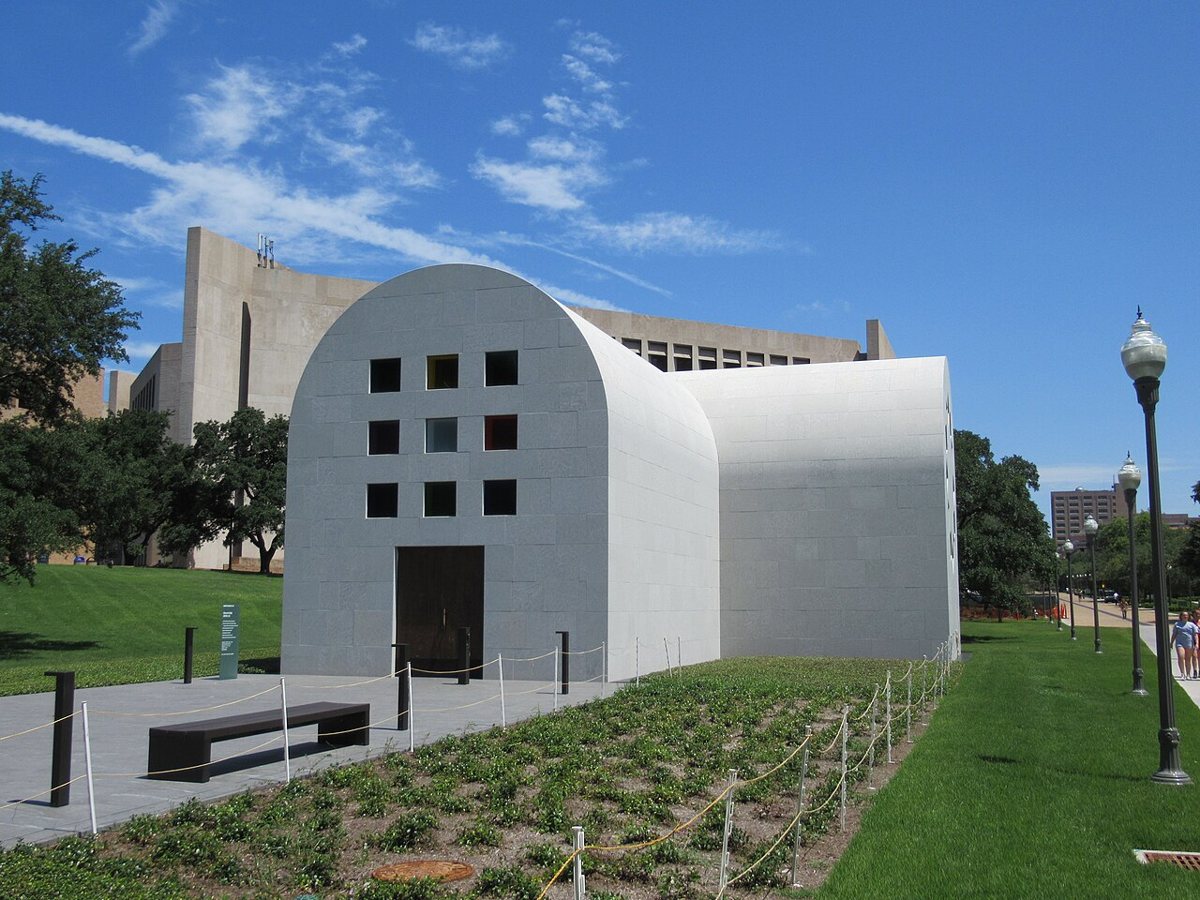
The Blanton is UT's art museum, and it's the one I still point people to first, mostly because of what sits just outside its front doors. Ellsworth Kelly designed a freestanding building on the plaza, simply titled "Austin," his last major work, a small chapel-like structure of colored glass and black-and-white marble that he never lived to see completed. It photographs well and it's worth the walk around it slowly before you go inside. Inside, the Blanton holds one of the country's stronger university collections, heavy on European painting but genuinely distinguished by its Latin American holdings, which rival what you'd find at museums many times its size. Give yourself at least ninety minutes, and don't rush past the works on paper galleries, which rotate more than people expect and reward a second visit. It sits right off Congress Avenue near the Capitol grounds, an easy add-on if you're already downtown for the Bullock. The print and drawing study room is the part regulars know about and first-timers skip, a quieter side gallery where the museum rotates works too fragile for permanent display, and it's usually the emptiest room in the building even on a busy Saturday.

The Contemporary Austin: Jones Center and Laguna Gloria
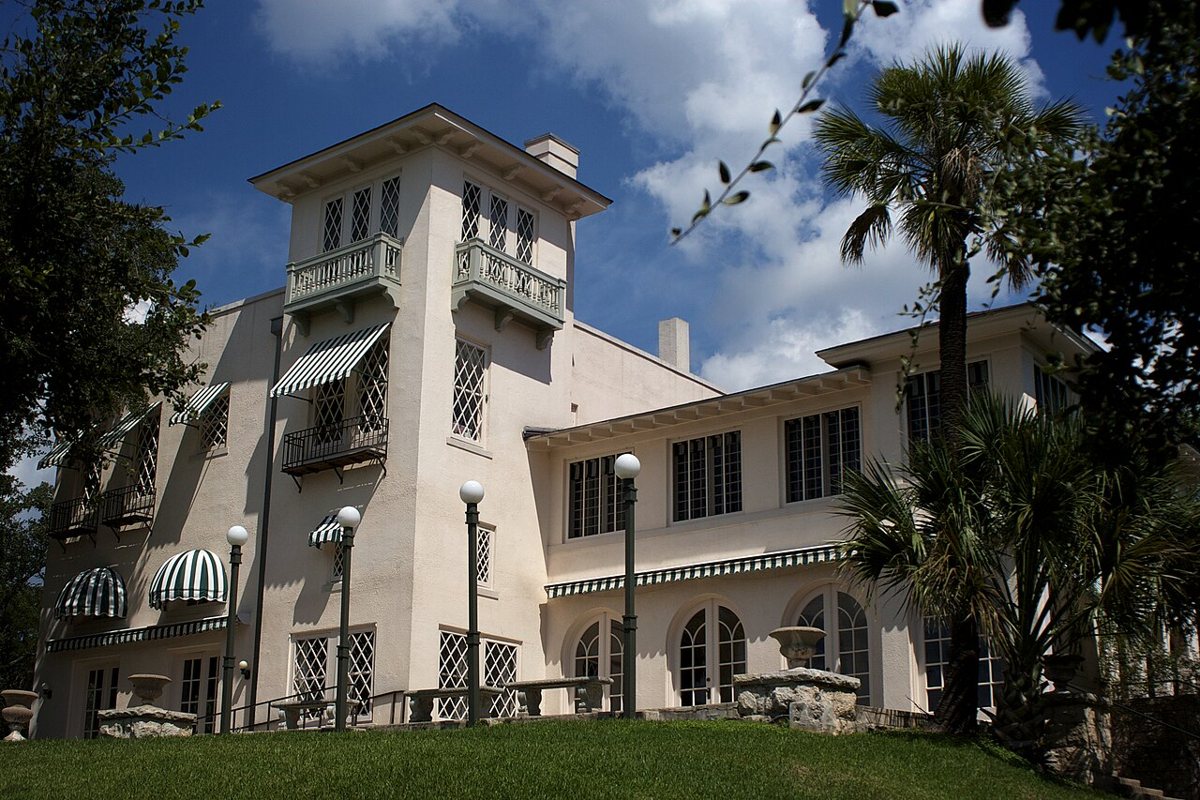
The Contemporary Austin runs two sites that couldn't feel more different, and I think that's the point. Downtown, the Jones Center on Congress Avenue hosts rotating contemporary exhibitions in a compact multi-story building, the kind of space where you can see a full show in forty minutes and still have time for coffee after. Out on Lake Austin, Laguna Gloria is something else entirely: a Mediterranean-style villa built as a private home for Clara Driscoll, now surrounded by a lakeside sculpture park where an art trail winds through the trees and installations sit right up against the water. I take visiting friends to Laguna Gloria more than almost anywhere else in this list, because it doesn't feel like a museum obligation so much as a walk with better scenery than usual. Go in the late afternoon when the light comes in low off the lake, and don't skip the villa itself, which has its own rotating exhibitions inside. Bring a water bottle and wear real shoes, since the art trail is unpaved in stretches and turns to genuine mud after rain, and pack a picnic if the weather cooperates because there's nowhere close by to grab lunch once you're on the grounds.

Mexic-Arte Museum
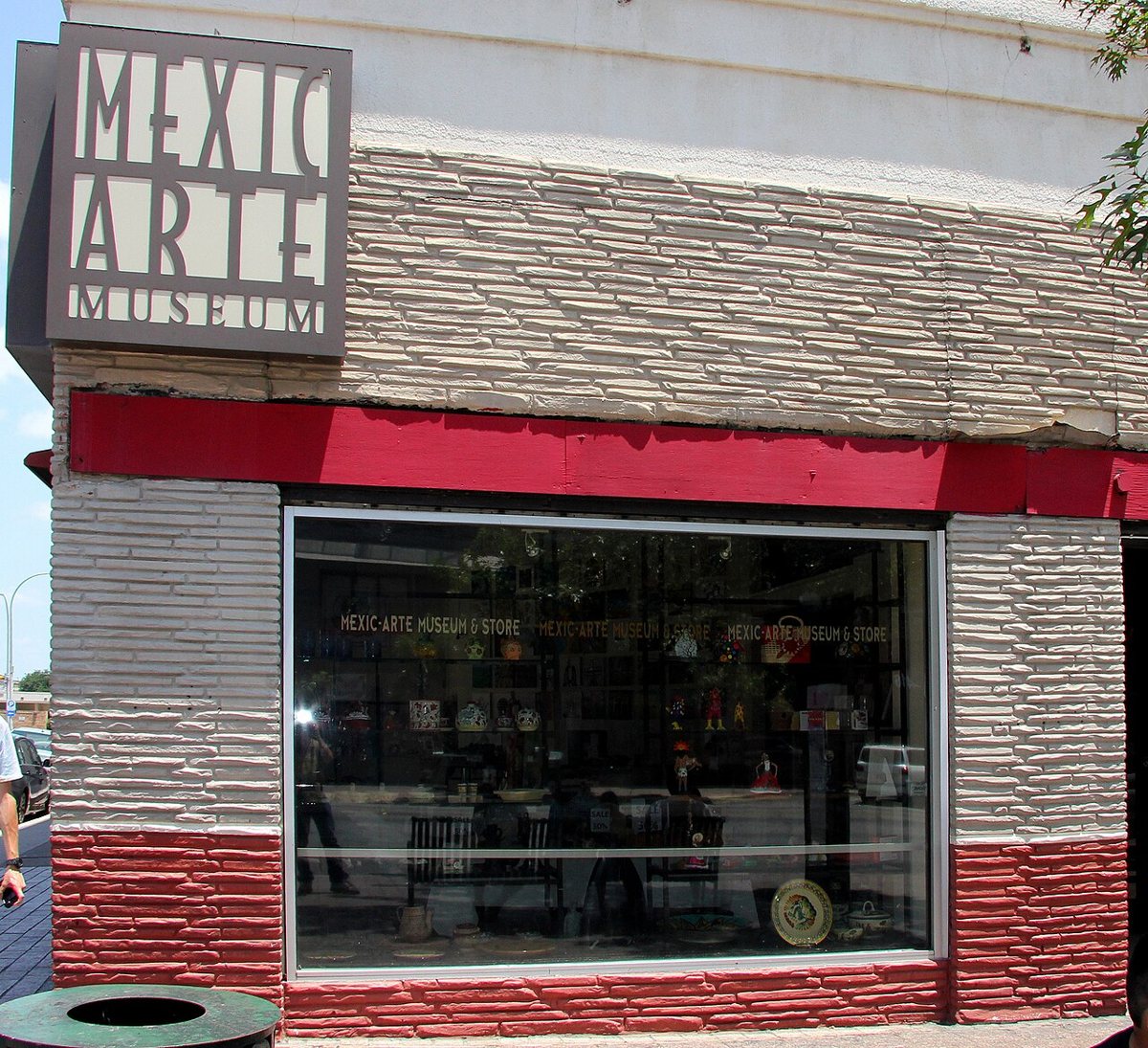
Mexic-Arte sits on Congress Avenue a few blocks off Sixth, and it's done more for Austin's cultural life than its modest footprint suggests. The museum focuses on Mexican, Latino, and Latin American art, with a permanent collection and changing exhibitions that span folk art and sharp contemporary pieces, and it's long been tied to the city's Día de los Muertos celebration, which the museum has helped anchor for years. It's an easy stop if you're downtown anyway, small enough to see in under an hour but consistently worth the detour, and it's one of the few places downtown that still feels connected to the Austin that existed before the office towers went up around it. The gift shop alone is worth a look, stocked with work from local and Mexican artists rather than the usual museum-shop mugs, and it's an easy pairing with a walk down Congress toward the Capitol afterward.

Where Austin Keeps Its History and Its Rare Books
Bullock Texas State History Museum
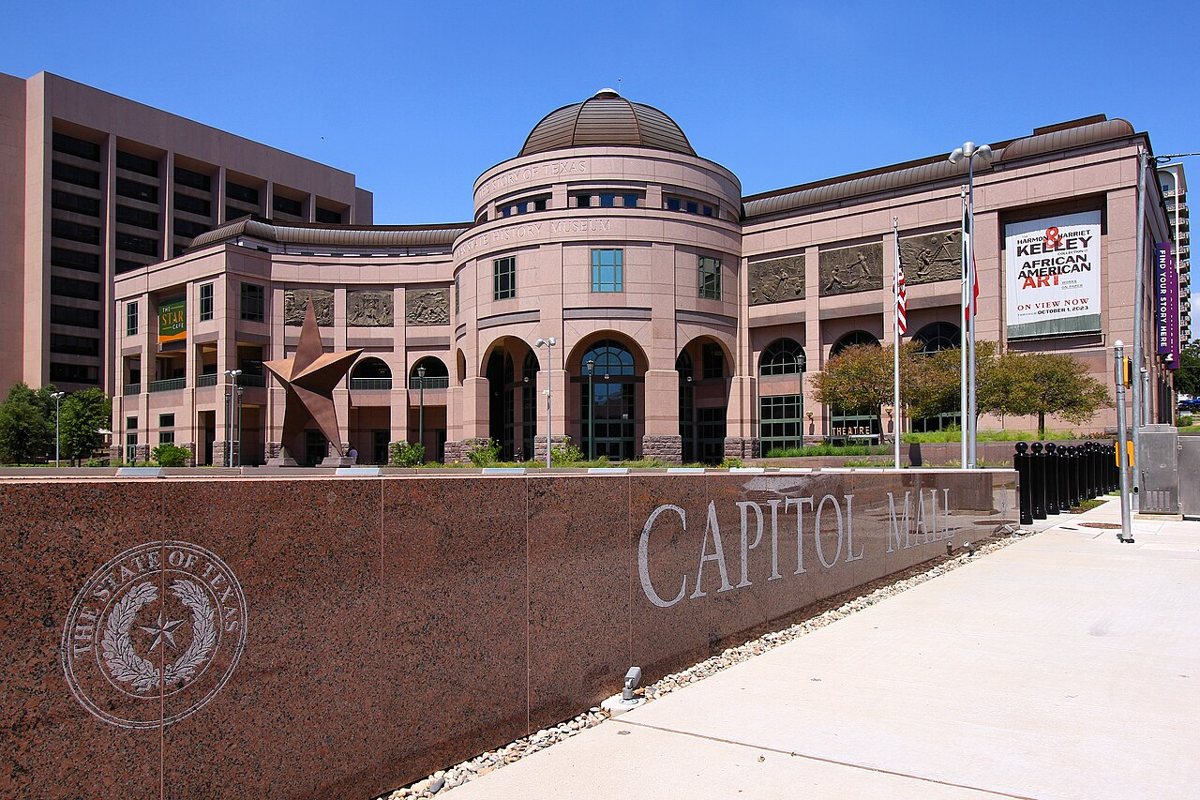
The Bullock is the big, unmissable one, a few blocks from the Capitol with a bronze star out front that every school field trip in this state seems to pass through eventually. Don't let the field-trip reputation put you off. The museum walks you through Texas history across several floors, from Indigenous and Spanish colonial history through the Republic era and into the twentieth century, and its centerpiece is genuinely remarkable: the recovered hull of La Belle, the French explorer La Salle's ship, which wrecked off the Texas coast in the 1680s and sat underwater for three centuries before archaeologists raised it. An IMAX theater on site, which is a fine way to kill an hour if the Texas heat has you looking for an excuse to stay indoors. Budget a half day if you want to actually read everything; most people don't, and that's fine. The third floor, covering the twentieth century, tends to get rushed by visitors running out of steam, which is a shame, since it's where the exhibits on the state's oil boom and its civil rights history actually get interesting.

LBJ Presidential Library
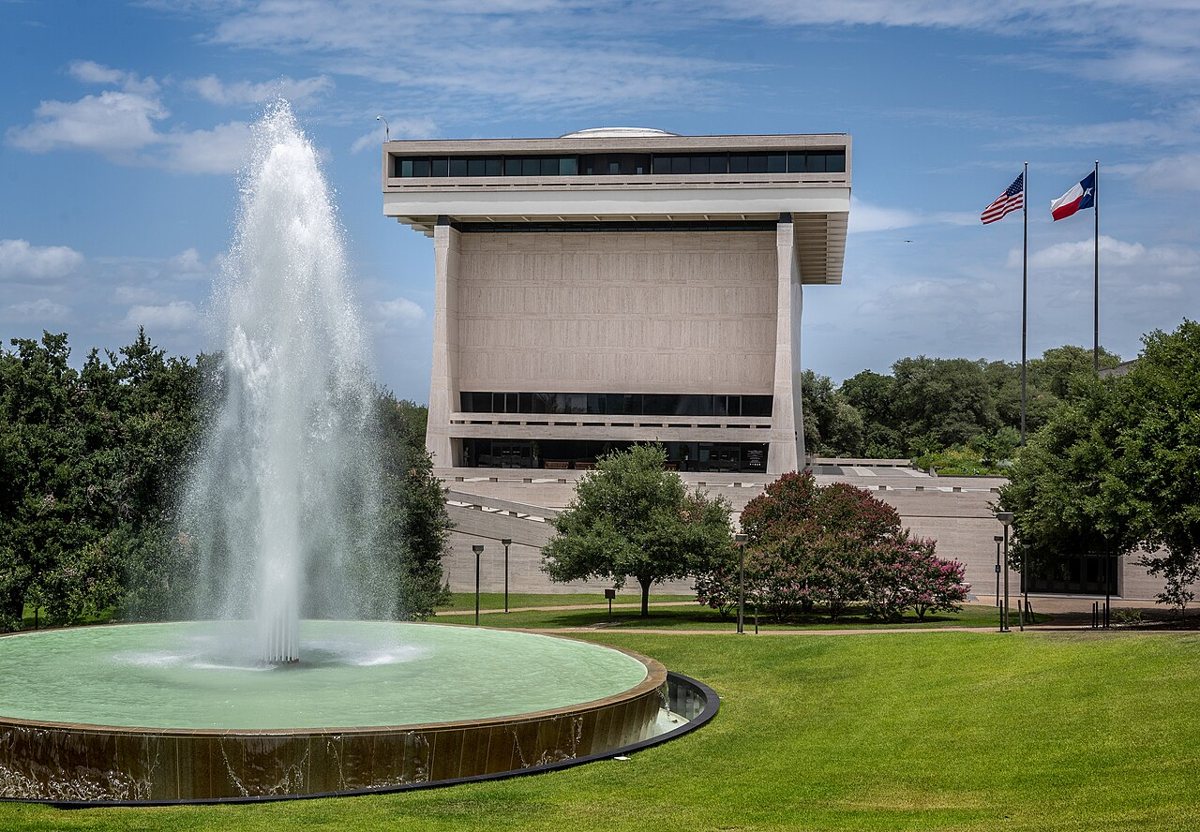
The LBJ Library sits on the UT campus, overlooking the south mall from a hill that gives you one of the better campus views in the city, and it holds Lyndon Johnson's presidential papers along with exhibits on the Great Society programs, the Civil Rights and Voting Rights Acts, plus the war in Vietnam that came to define his presidency as much as any of it. There's a replica of the Oval Office as Johnson kept it, which is the kind of detail that sounds gimmicky until you're standing in it. What I appreciate about the LBJ Library is that it doesn't flinch from the contradictions of the man or the era, landmark civil rights legislation sitting in the same building as an unpopular and costly war. Check current hours before you go, since the museum periodically closes sections for renovation. The view from the library's upper floor, looking out over the south mall toward the Tower, is reason enough to make the trip even on a day when you're short on time.

Harry Ransom Center
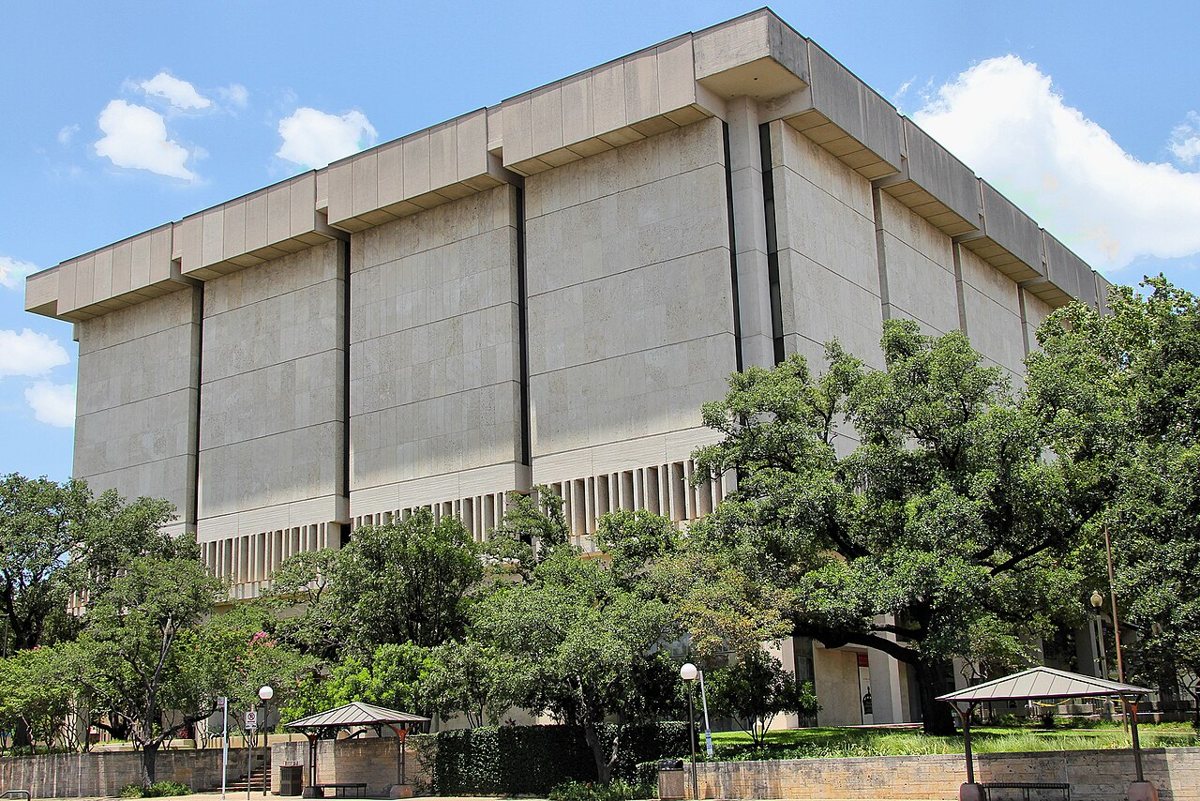
The Ransom Center is the one that surprises people most, including longtime residents who've never wandered in. It's UT's humanities research library and museum, and its holdings sound almost implausible for a university building in Central Texas: one of the world's complete Gutenberg Bibles, and the earliest surviving permanent photograph, a hazy 1826 image made by Nicéphore Niépce of the view outside his window in France. Beyond those two headline pieces, the Ransom Center's literary archives are staggering, drawing scholars from around the world, and its rotating exhibition galleries draw on those archives to build shows about writers, photographers and the filmmakers whose papers it holds. The exhibition galleries are free to walk through, which makes this one of the better cheap dates in a city that's stopped being cheap for almost anything else. It sits right on the drag side of campus, easy to pair with the Blanton. Past exhibitions have pulled from the Center's film and photography archives, which run deep enough that researchers fly in from other countries just to spend a week in the reading room, and the building itself has the hushed, slightly reverent feel of a place that knows exactly how much it's holding.

The Best Museums in Austin for Kids and Curious Adults
Thinkery
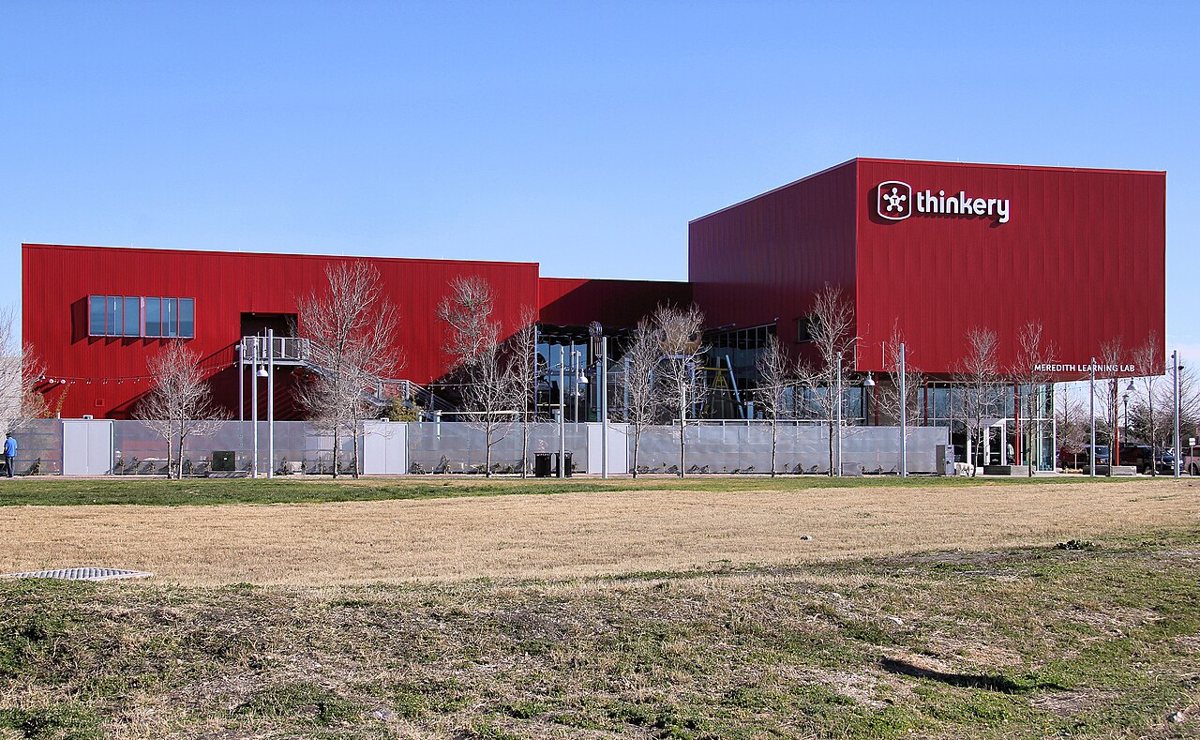
Thinkery is Austin's children's museum, and it lives in Mueller, the neighborhood built on the old airport site east of I-35, which tells you something about how this city repurposes its own history. The exhibits are hands-on and genuinely well designed, covering science and engineering in a way that keeps kids moving from station to station without the glazed-eye boredom that hits at lesser children's museums. Outdoor space matters here too, most months of the year here. If you're visiting with young kids and need a few hours that won't end in a meltdown, Thinkery is the answer, and Mueller has enough good food nearby that the adults get something out of the trip as well. It gets busy on weekend mornings, especially in summer when parents are hunting for indoor options, so an early arrival or a weekday visit buys you a calmer version of the same museum.

Texas Memorial Museum and the campus science collections
Tucked near the football stadium on UT's campus, the university's natural history and science collections have gone through name changes and renovations over the years, but the core of it endures: fossils and Texas wildlife specimens alongside geology exhibits housed in a stately old building that predates most of what's around it. It's a smaller stop than the Bullock or the Blanton and it doesn't always make the highlight lists, but if you've got kids fixated on dinosaurs or you just want a quiet, un-crowded hour on campus, it earns its place on any honest list of Austin museums worth your time. Check current hours before you go, since parts of the collection rotate between campus buildings. It's an easy pairing with the LBJ Library, since both sit on the same eastern edge of campus, and it's the kind of stop that turns a two-museum day into a three-museum day without adding much driving.
House Museums and Sculpture Gardens Nobody Puts on the List
Elisabet Ney Museum
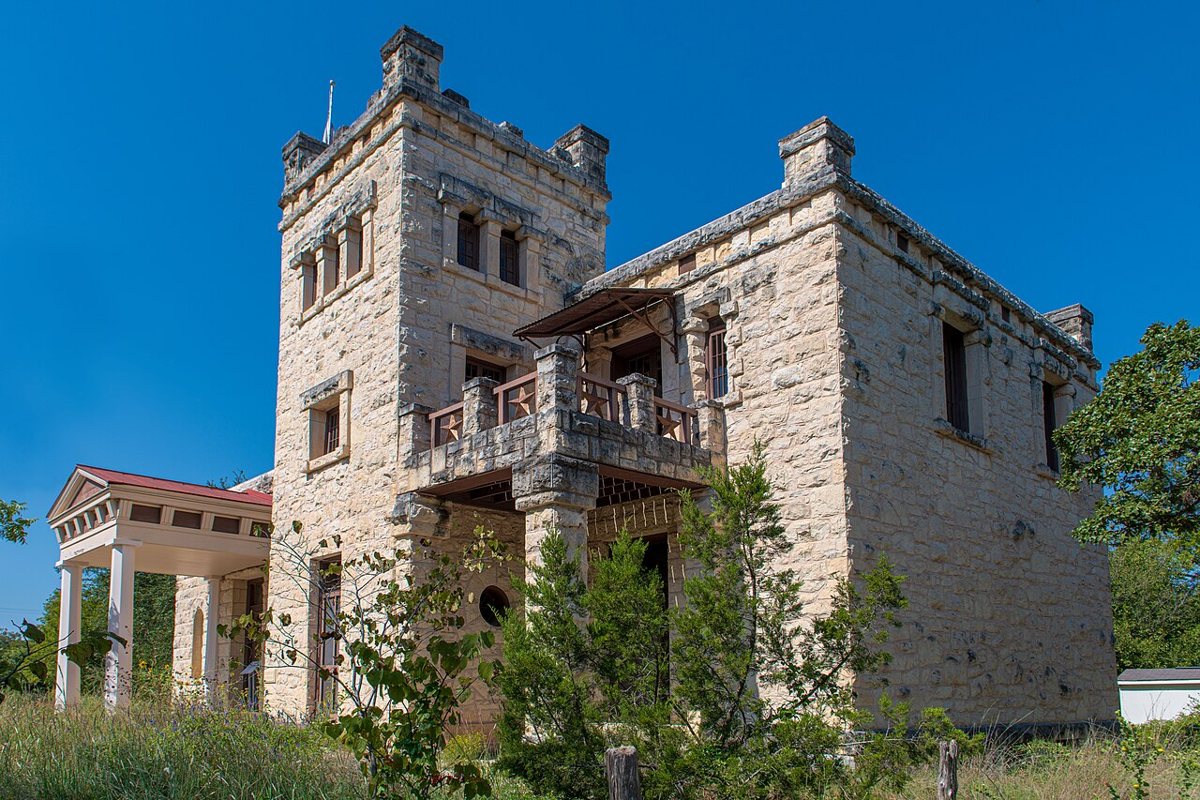
The Elisabet Ney Museum sits in Hyde Park, one of the city's oldest residential neighborhoods, inside the stone studio the sculptor built for herself called Formosa. Ney was a German-born sculptor who worked in European capitals before ending up, improbably, on the edge of turn-of-the-century Austin, and the museum still displays her sculptures in the studio where she made them, plaster casts and marble figures crowded into rooms that feel more like visiting an artist's actual life than touring a formal institution. It's small, it's quiet, and it's the kind of place longtime residents forget exists until they take an out-of-town guest there and remember why they loved it. Hyde Park itself is worth the wander afterward, all bungalows and live oaks a few blocks off the drag. There's a strangeness to the collection that grows on you the longer you stand in the studio, busts and mythological figures crowded shoulder to shoulder the way Ney herself apparently kept them, less an arranged museum display than genuine working clutter.

Neill-Cochran House Museum
West of campus, near where the university gives way to student housing and fraternity row, the Neill-Cochran House is a Greek Revival home that ranks among the oldest surviving houses in Austin. It's run as a house museum with exhibits on Texas decorative arts and furniture, but its more important work in recent years has been reckoning honestly with the enslaved laborers who built the house and the history that surrounds it, which tours now address directly rather than skip past. It's a smaller commitment than most museums on this list, maybe forty minutes, but it adds a layer of the city's history that the bigger institutions don't cover in the same detail. Docent-led tours run on a set schedule rather than continuously, so it's worth calling ahead or checking the museum's hours before making the drive over.
George Washington Carver Museum
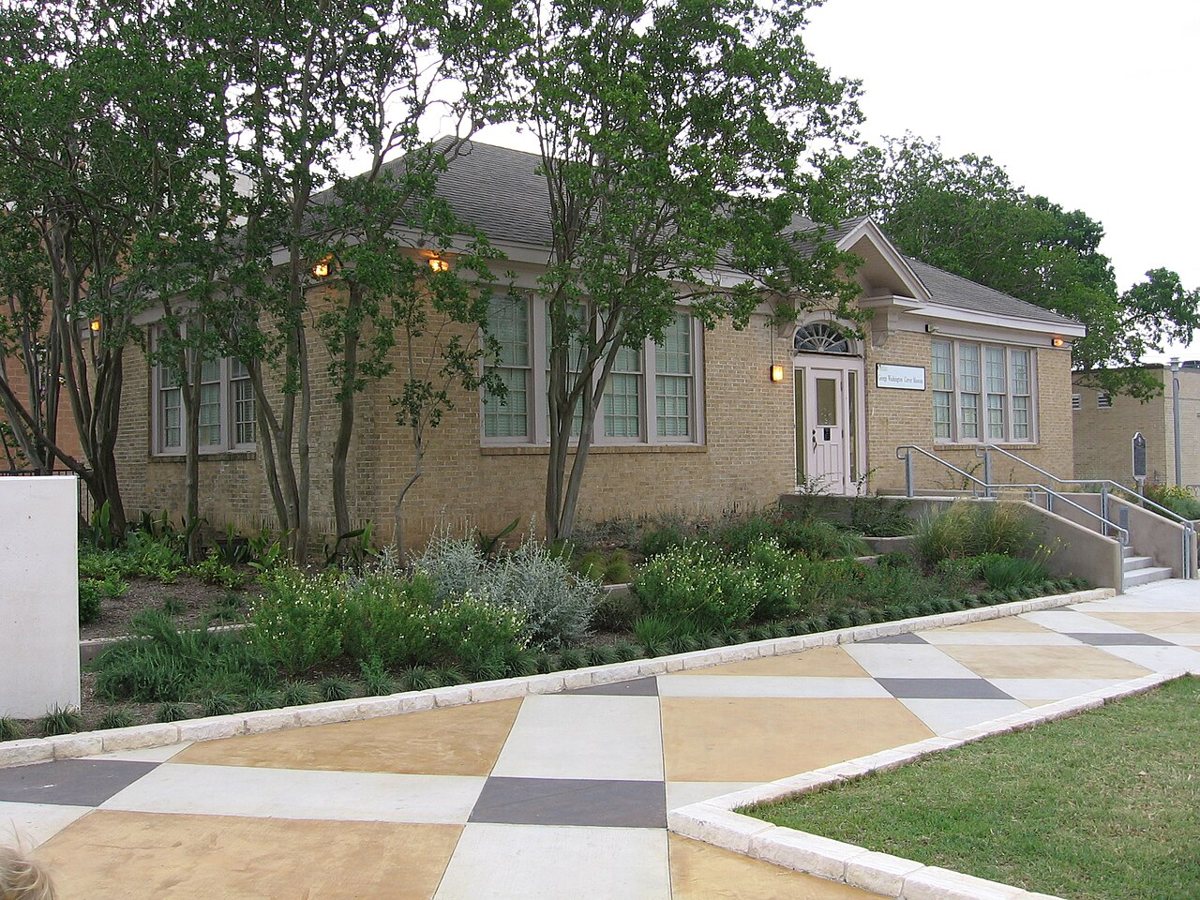
The Carver Museum sits in East Austin, my own neighborhood, and functions as the city's African American cultural and genealogy center as much as a museum in the traditional sense. It holds a permanent collection and gallery space dedicated to Black history and contemporary art in Austin and Texas more broadly, and it hosts community events throughout the year, including Juneteenth programming that draws people from across the city. It doesn't get the tourist traffic of the Bullock or the Blanton, and that's a loss for visitors more than it is for the museum, which has never needed outside validation to matter to the neighborhood it serves. If you only see one museum east of the highway, make it this one. The museum also runs a genealogy center that helps Austin families trace their own histories, a resource I've watched change how people talk about this neighborhood once they understand what came before the coffee shops.

Umlauf Sculpture Garden
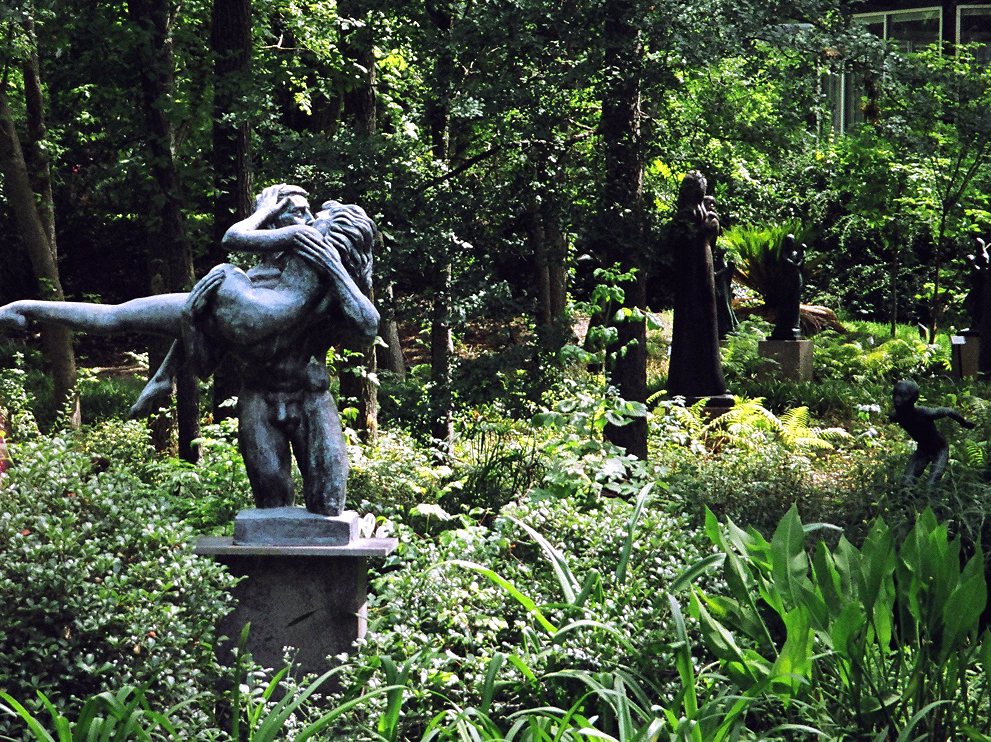
Near Zilker Park, close enough to Barton Springs that you could genuinely do both in one afternoon, the Umlauf Sculpture Garden showcases the work of Charles Umlauf, a longtime UT sculpture professor whose bronze and stone figures are scattered across several wooded acres alongside an indoor gallery. It's the kind of place where you can walk for an hour without seeing another dozen people, which is increasingly rare anywhere near Zilker on a nice weekend. Go before or after a swim at Barton Springs and you've built one of the better low-key Austin afternoons available, art and cold spring water in the same trip, no reservations required. The indoor gallery is small but well organized, tracing Umlauf's career from early figurative work through the more abstract pieces he made later, and it gives context to the bronzes you've just walked past outside.

Getting Around, What's Free, and When to Go
The honest practical note first: Austin traffic is a real problem, not a punchline, and it will eat your afternoon if you don't plan around it. I-35 through downtown backs up predictably at rush hour and increasingly outside of it too, so if you're trying to hit the Blanton, the Ransom Center, then the LBJ Library in one day, do it on foot or by bike once you've parked on or near campus, since all three sit within a fifteen-minute walk of each other. Laguna Gloria is a separate trip entirely, out toward Barton Hills territory on the lake, and deserves its own afternoon rather than getting squeezed in after a downtown museum run.
Rideshare works fine for one-off trips between neighborhoods, but if you're trying to string together East Austin, downtown, and campus in a single day, expect to lose real time to distance more than to traffic volume, since this city sprawls in a way that surprises people who assume everything sits close together. Public transit exists but isn't built for museum-hopping the way it might be in an older city, so most locals default to driving and accept the parking hassle as the cost of doing business. Weekday visits, especially Tuesday through Thursday mornings, tend to be dramatically quieter than weekends at every museum on this list, the Bullock and Thinkery most of all.
- University-affiliated museums are frequently free or low-cost, since they're already funded by the school; the Harry Ransom Center's exhibition galleries are a reliable free stop, and it's worth checking current admission policy for the Blanton and the LBJ Library before you go, since these change.
- Parking downtown near the Bullock and Mexic-Arte is easiest in the garages around the Capitol complex rather than searching for street parking, which is scarce most of the year.
- Summer visits mean planning around the heat; mid-morning or the two hours before closing tend to be the least crowded and least brutal for walking between sites.
- If you're building a full day of things to do in Austin around museums, pair campus museums with lunch on the drag, and save Laguna Gloria or the Umlauf for a slower half-day near Zilker.
None of this requires a festival on the calendar or a specific week in March to justify the trip. That, more or less, is the argument I keep making to people who ask why I bother writing about museums in a city known for its music. The best museums in Austin were mostly here before the tech money showed up and they'll be here after the current boom cools off too, because they were never selling the same thing the condo towers are selling. The Blanton isn't trying to be cool. The Carver Museum isn't chasing a demographic. Laguna Gloria doesn't care whether you found it on a list. Go for the art, stay for the fact that this is still, underneath the traffic and the cranes, a genuinely strange and specific city that built itself a Gutenberg Bible's worth of culture without much fanfare, and if you want dinner after, you can find it same as anywhere else in this city's restaurant scene worth exploring on its own terms.
I've written about this city professionally for a long time now, long enough to watch entire blocks change character between drafts of a story, and the museums are one of the few threads that haven't frayed. Somebody's still restoring La Belle's timbers, still cataloging Ney's plaster casts, still hanging new shows at the Jones Center on the same schedule they always have. That continuity is worth more to me than almost anything else Austin has kept, and it's reason enough to spend a weekend inside instead of on the water or the Greenbelt for once.