Things to Do in Austin for 2026
From Barton Springs to the Red River District, this is where to actually spend your time in Austin: the water, the brisket, the bats, and what the city is quietly becoming.
On a Tuesday in October, the water at Barton Springs is still cold enough to pull the breath out of you. A retired teacher does laps near the rope. A toddler shrieks at the temperature. Two guys in their twenties float on their backs staring at the pecan canopy overhead, and nobody is looking at a phone. This is the thing about Austin that the tech-boom narrative tends to miss: beneath the cranes and the congestion, the city still has moments that feel stubbornly, specifically themselves. The things to do in Austin that are actually worth doing tend to be the ones that have survived every wave of change — and a handful of genuinely new ones that earned their place.
The Water and the Green Space: Austin's Outdoor Core
Barton Springs Pool
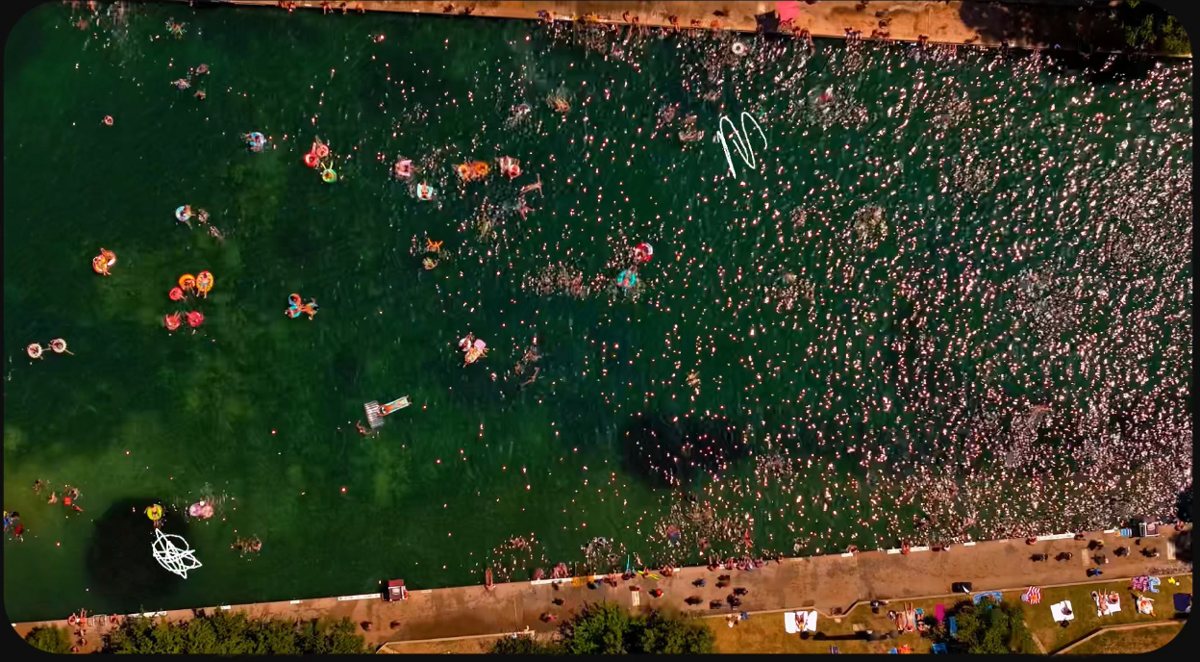
Barton Springs Pool is a three-acre natural swimming hole fed by underground springs in Zilker Park, and it has been the emotional center of Austin summers since long before Austin was Austin. The water holds at around 68 degrees year-round, which means it's bracing in July and borderline cruel in January, and locals swim it in both. Lifeguards are on duty most of the year; the pool closes briefly in the early morning for cleaning and on a handful of maintenance days, so check current hours before you make the drive. Go on a weekday if you can. Weekend afternoons in summer the lawn becomes a wall-to-wall picnic, which is its own kind of spectacle but not the meditative swim you came for. Admission is charged to the pool proper, though the surrounding lawn and Barton Creek banks are free. The springs themselves sit in the Barton Creek watershed, and the water quality is tested continuously — Austin's environmental fights over development in the contributing zone have been going on for forty years, and the pool still wins most of them.

Zilker Park and the Barton Creek Greenbelt
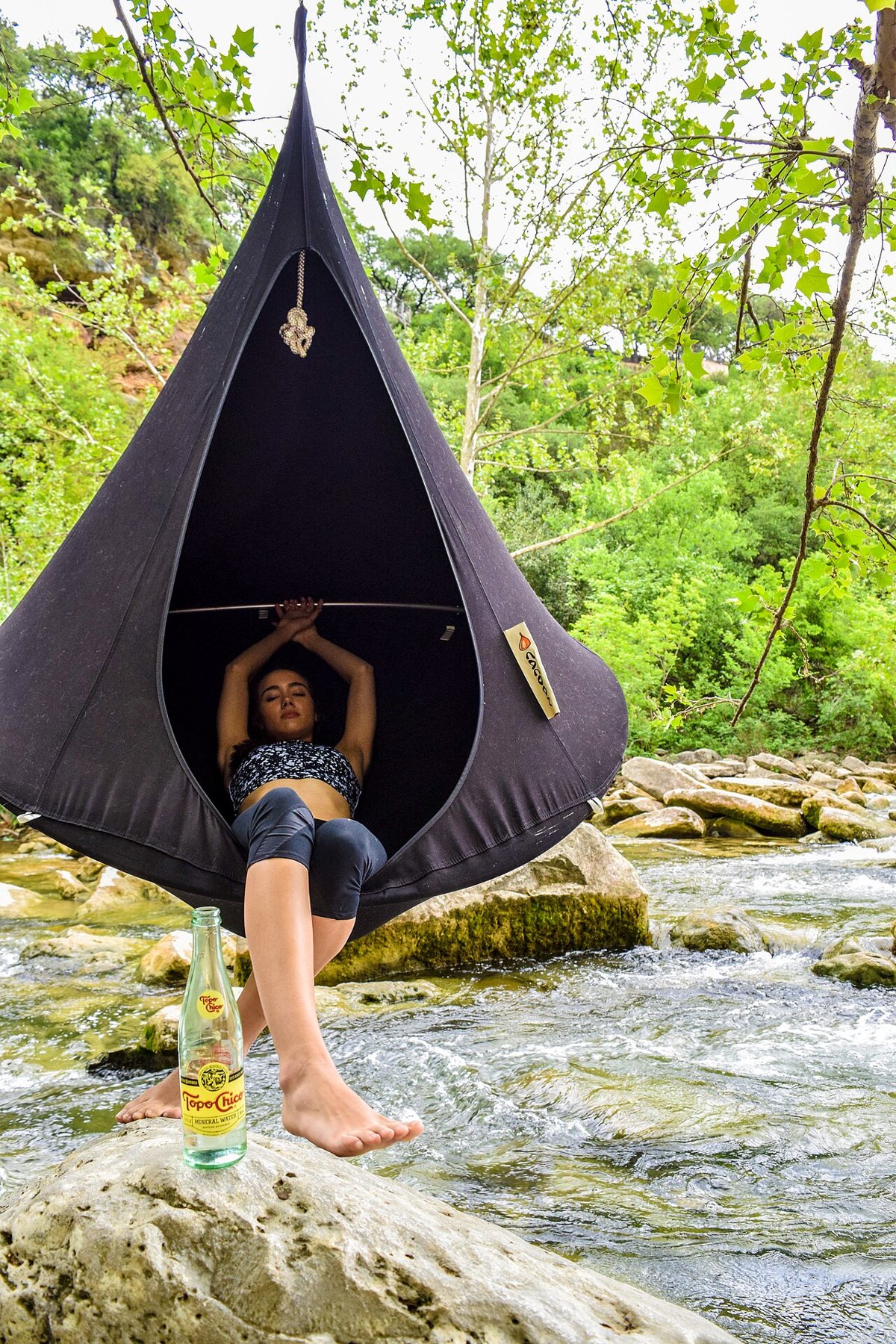
Zilker Park is the 358-acre city park that contains Barton Springs, but it's more than a wrapper for the pool. The Barton Springs Road side has great kite-flying fields and the landing zones for the famous Kite Festival each spring. The hillside above the pool is where ACL Fest stages its three weekends every October. The year-round version, though, is quieter: people walking dogs along the creek trail, kids riding the Zilker Zephyr miniature train that has existed in some form since 1962, disc golf players carrying bags across the soccer fields. Connected to the park is the Barton Creek Greenbelt, which extends roughly seven and a half miles of limestone trail into the hills west of the city. Swimmers collect at the swimming holes off Loop 360, hikers and mountain bikers share the canyon-bottom trail, and on summer weekends the whole thing is genuinely packed. The secret is to park at the Twin Falls or Sculpture Falls access points rather than the Barton Springs Road lot, and to get there before ten in the morning.

Lady Bird Lake and the Hike-and-Bike Trail
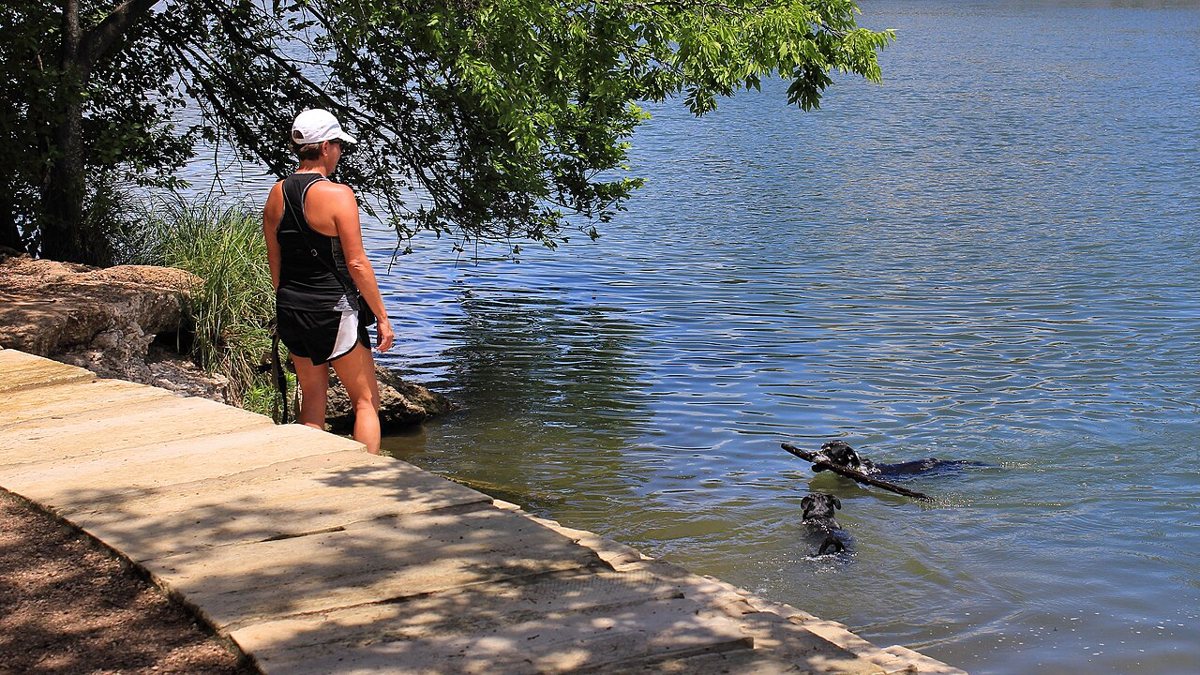
Lady Bird Lake is the reservoir formed by the Colorado River as it runs through downtown, and the ten-mile loop trail around it is the best free thing in Austin that almost everyone can do. Kayaks, paddleboards, and canoes rent by the hour from several outfitters along the south shore. The north shore path runs close to downtown and gets crowded; the south side, especially the stretch past the Long Center through Barton Hills, is shadier and calmer. One underrated access point is the Pfluger Pedestrian Bridge connecting the north and south trails — stand in the middle at dusk and watch the bats leave Congress Avenue Bridge about a quarter mile east, which is its own spectacle covered below. Morning runs and evening walks are equally good, and the trail is lit and well-maintained. Dogs on leash are welcome everywhere, which Austin takes seriously.

Things to Do in Austin That Are Free (or Close to It)
Congress Avenue Bridge Bat Colony
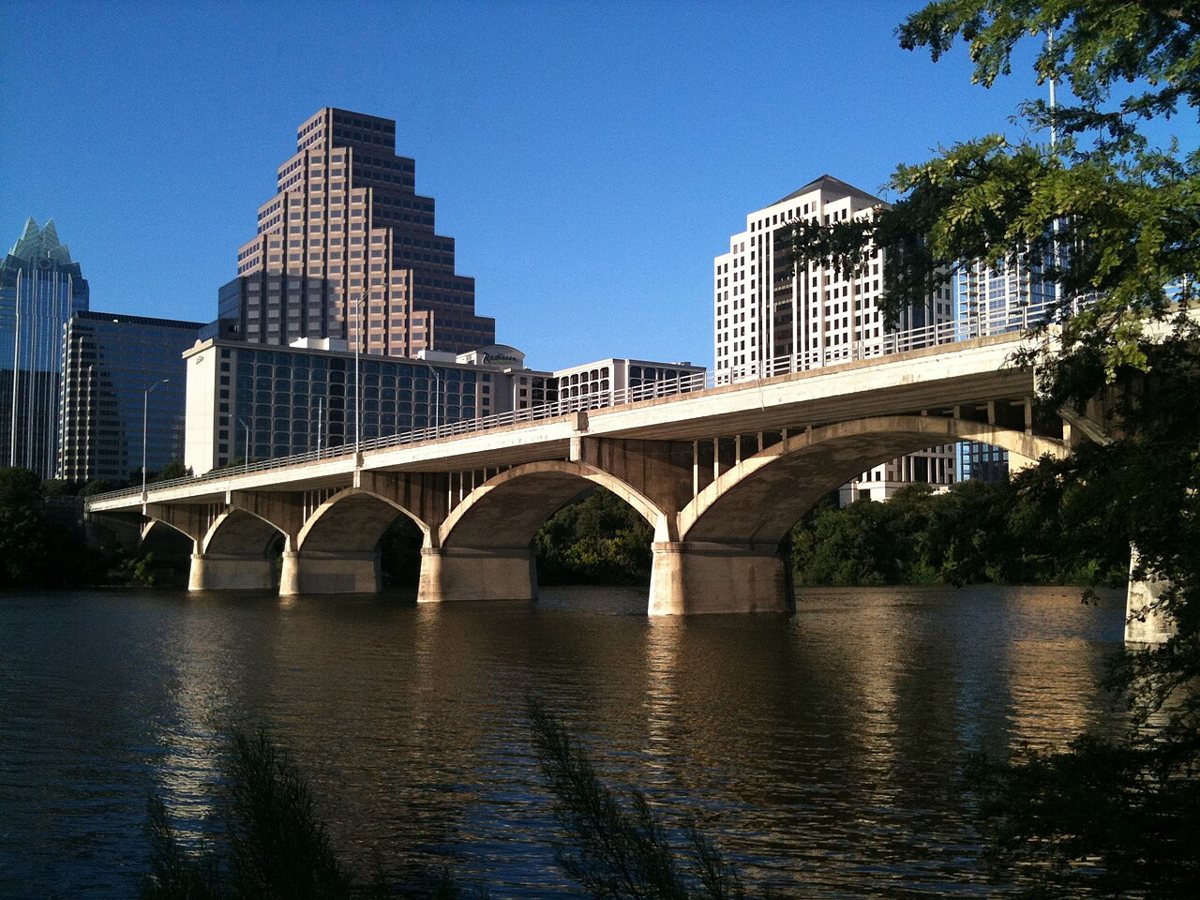
Every evening from late March through early November, somewhere between 750,000 and 1.5 million Mexican free-tailed bats pour out from under the Congress Avenue Bridge at dusk. The emergence takes fifteen to twenty-five minutes and is one of the largest urban bat colonies in the world. People gather on the bridge itself, on the south bank lawn, on kayaks and paddleboards in the water below, and on the restaurant decks at the nearby hotels. It costs nothing to stand on the bridge or sit on the grass. The timing shifts throughout the season — earlier in summer, later in spring and fall — and is never precisely predictable, so arrive thirty minutes before official sunset and be patient. The Austin American-Statesman parking lot on the south bank has historically been the most popular viewing area; check current access. August is peak population and peak spectacle.

The Texas State Capitol and Capitol Grounds
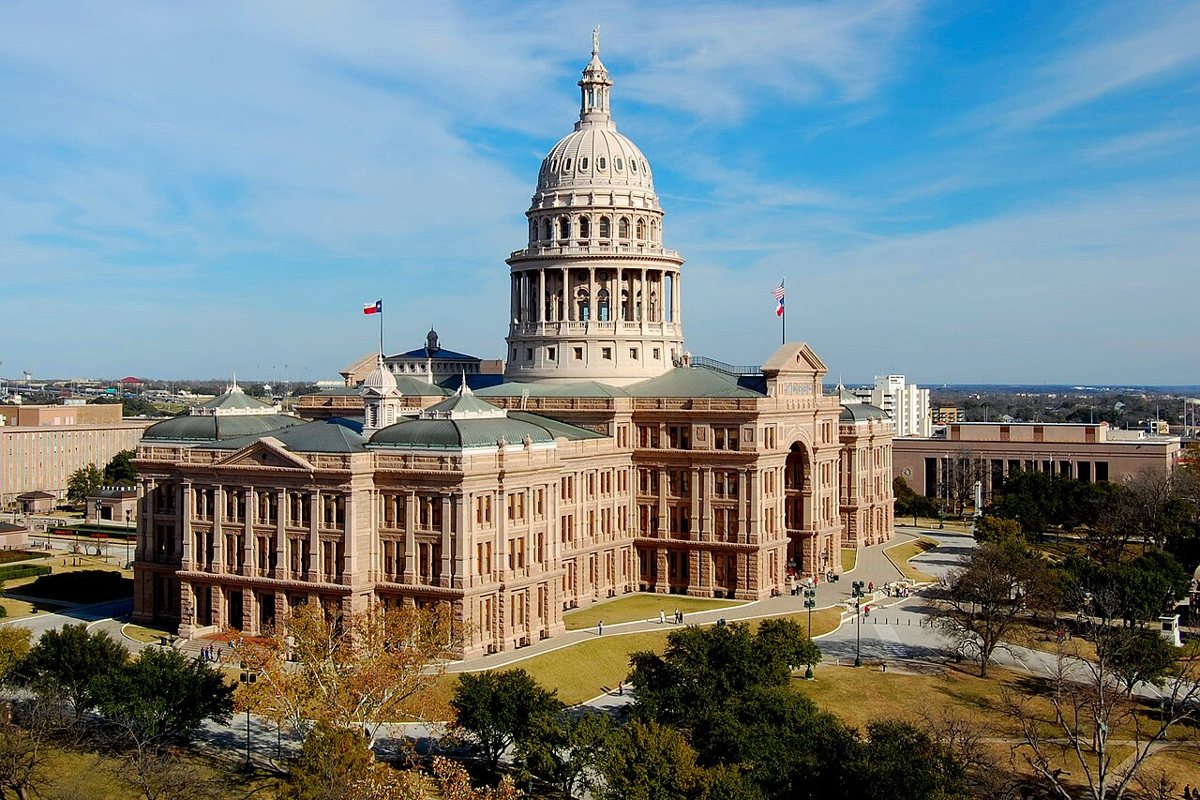
The Texas State Capitol sits on eleven acres at the north end of Congress Avenue and is, by deliberate design, taller than the U.S. Capitol in Washington. The building opened in 1888 and is made of Sunset Red granite quarried from Marble Falls. The interior is open to the public for free self-guided tours when the legislature is not in session and even most days when it is. The rotunda's star mosaic, the portraits of every Texas governor lining the hallways, the underground extension that connects the building to the state office complex — it's worth an hour of serious looking. The grounds outside are where Austin does its political gatherings and its holiday tree lighting and its occasional absurdist public spectacle. Walk south from the Capitol down Congress Avenue toward the river and you've got the spine of downtown Austin's history in about a mile and a half.

The Blanton Museum of Art
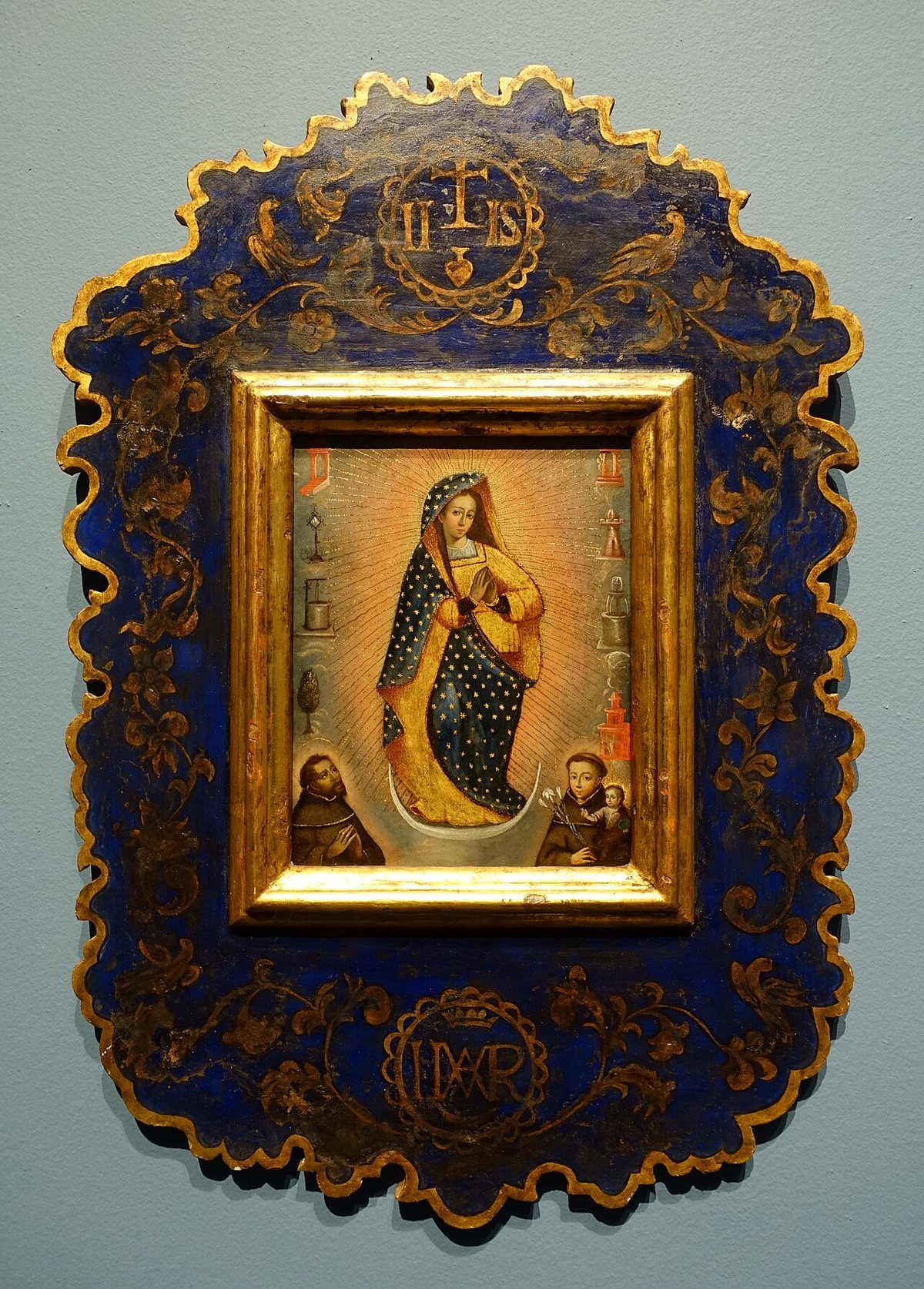
The Blanton is the University of Texas's art museum on the main campus on the south end of the Drag, and it holds one of the largest university art collections in the United States. The permanent collection covers European paintings from the fifteenth through the eighteenth century, modern and contemporary American and Latin American work, and a print and drawing archive that is exceptional for a university setting. What most people miss: the Ellsworth Kelly outdoor chapel, "Austin," which Kelly designed in the last years of his life and which opened after his death in 2018. It's a freestanding building of colored glass and white walls just outside the museum's south entrance, and it is among the most genuinely affecting pieces of public art the city has produced in a generation. Admission to the museum proper is charged; the Kelly chapel and the surrounding sculpture garden are free and accessible during daylight hours.

Austin's Music Ecosystem: Red River, East Austin, and South Congress
Red River Cultural District
The Red River Cultural District is a three-block stretch of live music venues on Red River Street between Seventh and Eleventh that functions as the working heart of Austin's original music scene, and it has managed to survive in a city that has torn down or priced out nearly everything else in that category. Stubb's Waller Creek Amphitheater anchors the south end with its outdoor stage that holds about three thousand people in the dirt and grass, and it is one of the finest outdoor concert settings in the country. Up the block are Mohawk (indoor and outdoor stages, strong booking for indie rock and punk), Emo's (relocated, still rowdy), and a handful of smaller bars that pull local and touring acts seven nights a week. This is not 6th Street, which is a different and considerably louder experience aimed at a different crowd. Red River is where the musicians who live in Austin go to see music. Tickets for most shows at Stubb's sell out; check ahead. The smaller venues often charge little or nothing at the door on weeknights.
The Continental Club
The Continental Club on South Congress Avenue has operated as a live music venue since 1957, making it one of the oldest continuously running clubs in the city. It books blues, country, rockabilly, and Americana acts at a volume and proximity that is hard to replicate in a larger space. The room holds a few hundred people at most; the stage is low and close. Parking on South Congress is a genuine ordeal on weekend evenings, so arriving early or parking further south and walking is the practical move. The Continental Club Gallery upstairs books additional shows, often more experimental. It's the venue that people who have been coming to Austin since before the tech boom tend to take their out-of-town friends to first, because it captures something about what the city's music culture originally meant that is harder to explain in words than to simply experience.
East Austin's Music and Bar Scene
East Austin east of 183 has changed enormously since the early 2000s, and anyone who lived through it will tell you so. The stretch of East 6th Street from 183 toward the airport has developed into a bar and restaurant strip that gets genuinely packed on weekends. Further in, longtime neighborhood rooms sit alongside newer spots that come and go faster than a print publication can track them. The best approach is to pick a neighborhood anchor — say, the strip near Springdale Road or the cluster around East 7th — walk it, and see what's open. East Austin still has its taquerias and its Tejano music joints and its botanicas, often two storefronts down from a wine bar charging fifteen dollars a glass. That tension is the actual Austin experience in 2026.
Neighborhoods Worth Walking
South Congress Avenue (SoCo)
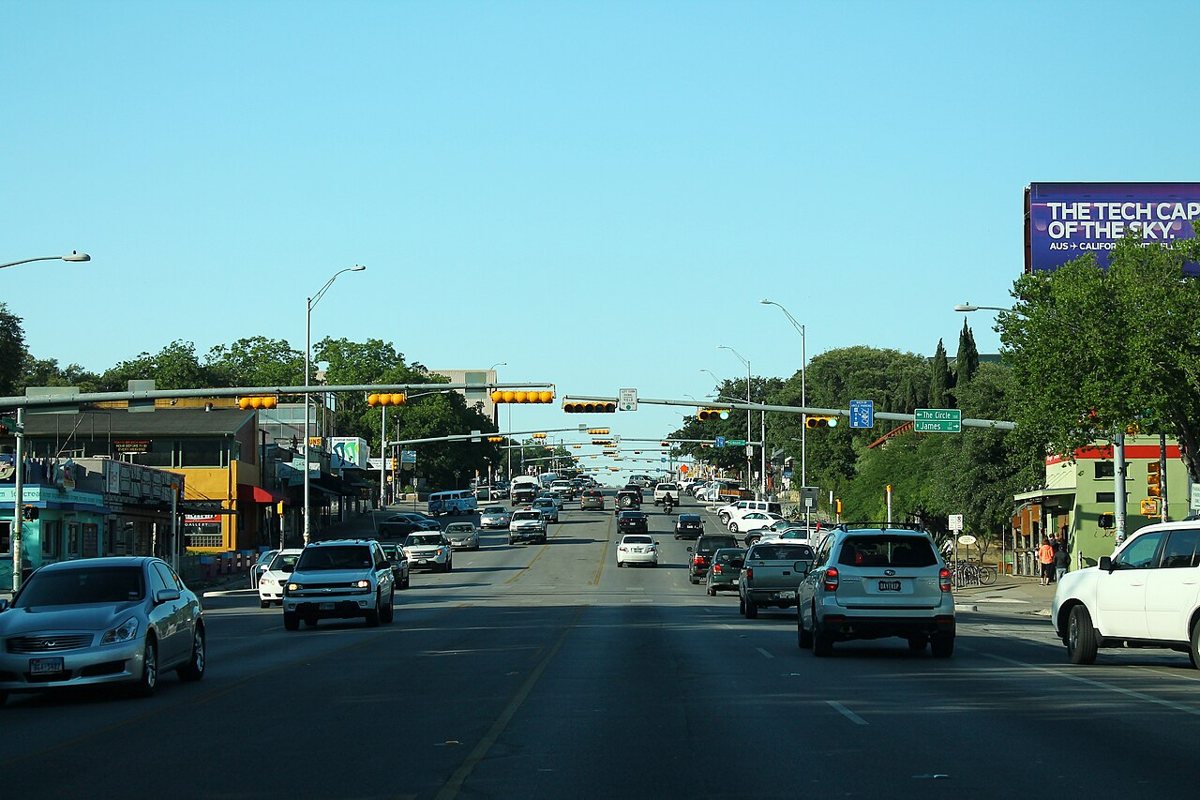
South Congress Avenue between the river and Ben White Boulevard is Austin's most photographed commercial strip, which local residents acknowledge with a mixture of pride and exhaustion. The shop owners who built it in the nineties and early two-thousands created something real: vintage clothing at Feathers and Uncommon Objects, boots at Allens and Allens Boots, coffee at Conscious Creamery and Jo's (whose parking lot is where the iconic "I love you so much" mural lives). Breakfast tacos are the proper way to start any SoCo morning; several spots along the stretch and on the side streets run the classic Austin model of flour tortillas, egg, and whatever combination you want for a couple of dollars. The strip is genuinely walkable for about a mile. Go on a Thursday or Friday morning to avoid weekend crowds and actually be able to look in windows. a proper breakfast taco first thing is not optional.

North Loop
North Loop Boulevard runs east-west through a neighborhood north of Hyde Park and UT that has developed its own identity over the last decade largely without the Instagram-saturation of SoCo. The anchors here are independent: bookshops, a record store, a handful of restaurants doing specific things well, a coffee shop where the regulars actually know each other's names. It does not photograph as dramatically as South Congress and that is precisely its appeal. This is where people who moved here fifteen years ago and watched East Austin get remade tend to spend their Saturday afternoons. Parking is easy. The strip is short enough to cover in an hour of window-shopping.
Food Worth Planning Around
Central Texas Barbecue
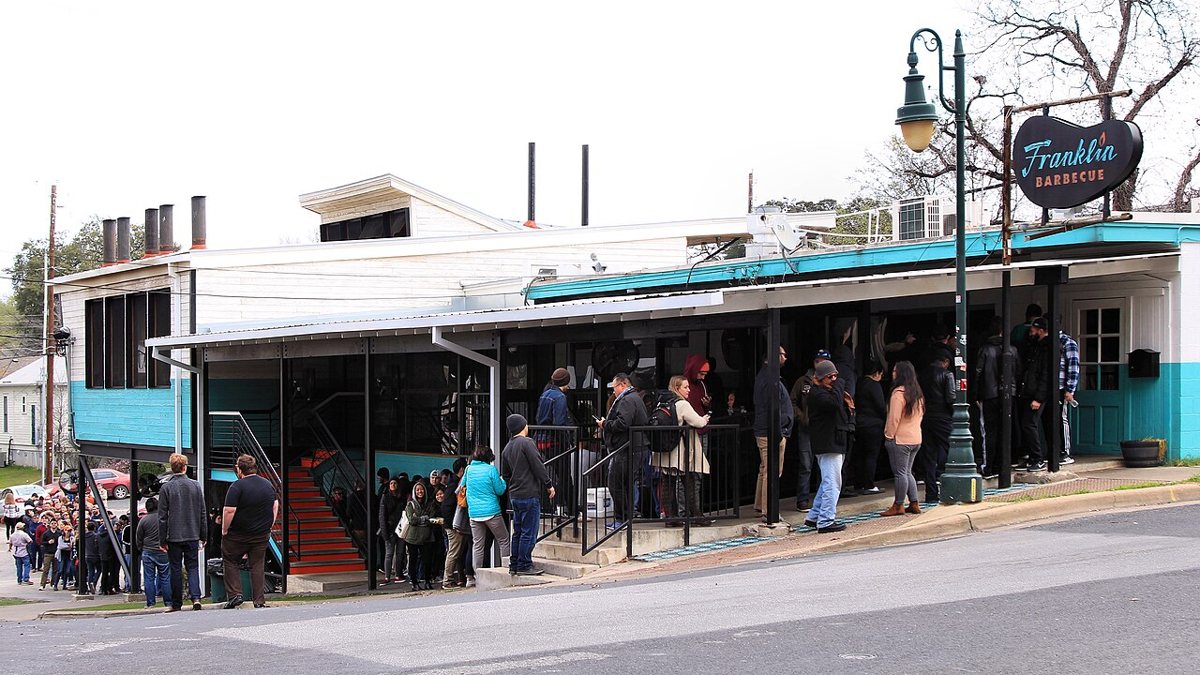
Central Texas barbecue is a specific tradition, not a genre: beef brisket cooked over post oak for twelve to eighteen hours, sliced to order, served on butcher paper with pickles and white bread. Sauce exists but is beside the point. Austin is surrounded by the towns that codified this tradition — Lockhart (Kreuz Market, Smitty's), Luling, Taylor — and the city itself has developed its own serious practitioners. Franklin Barbecue on East 11th Street is the most famous, with lines that form hours before the 11 a.m. opening and sell-out before 2 p.m. on most days. La Barbecue, Micklethwait Craft Meats, and Terry Black's BBQ are serious alternatives with less catastrophic wait times. The full Central Texas experience involves getting there early, standing outside, ordering by the pound, and eating at a picnic table. It is not fast food; it is a meal you schedule your day around, and it is worth it. the full Central Texas barbecue circuit could consume an entire weekend.

Mueller Farmers Market
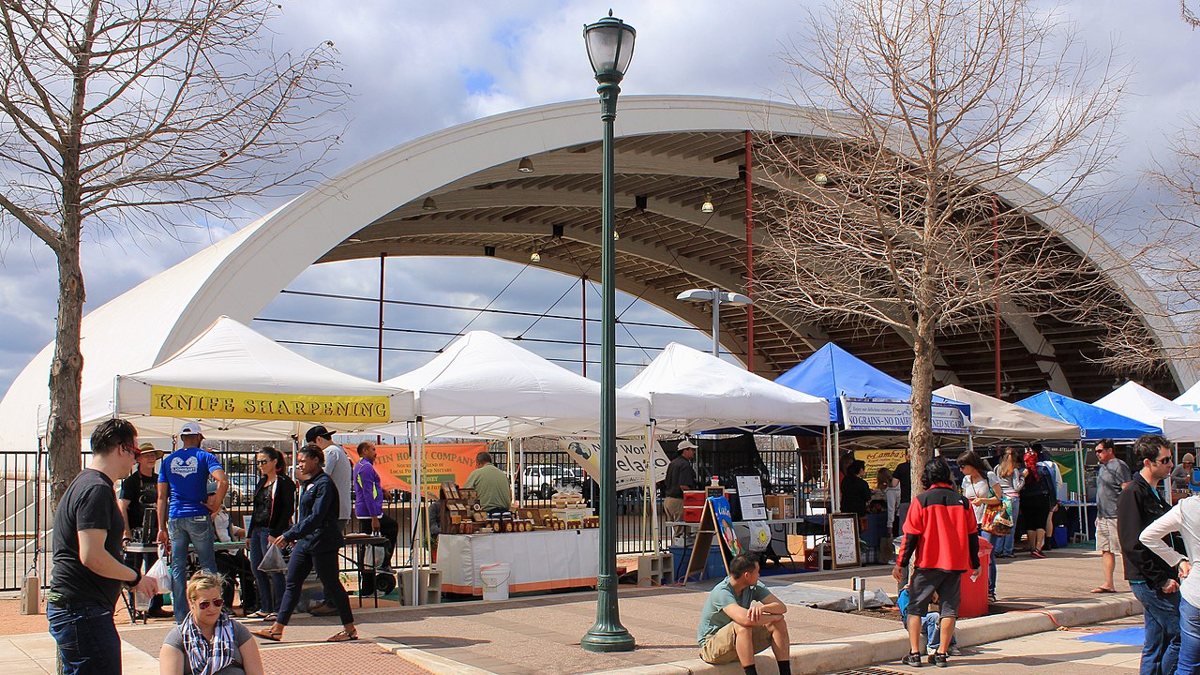
The Mueller neighborhood is a planned community built on the site of the old Robert Mueller Municipal Airport, and it has developed into one of Austin's most walkable districts with good park space, a mix of housing types, and the Sunday farmers market that has become a genuine weekly institution. The market runs year-round on Sunday mornings and draws farmers from the Hill Country and Central Texas plains alongside Austin food producers making bread, hot sauce, tamales, and prepared food. It is one of the better places in the city to understand what local food production in Central Texas actually looks like, which involves a lot of small farms doing sustainable practices in a climate that is increasingly difficult to grow in. Go before noon when the good stuff is still available. The surrounding park has a playscape and a pond with ducks, which makes it useful if you are traveling with small children who need a circuit breaker.

Getting Around, Timing, and Practical Notes
Traffic in Austin is a serious problem, not a minor inconvenience. I-35 through the city ranks among the worst-congested stretches of interstate in Texas, and the MoPac expressway is only marginally better. Rideshare is workable for short distances and avoids the parking fight. The city's bus system, Capital Metro, runs routes throughout the core and has an improved downtown connector, but it is not fast enough to replace a car for cross-city trips. The one exception is the MetroRail Red Line, a commuter train that runs from the northern suburbs past the Domain into downtown, which is genuinely useful if your itinerary happens to align with its path.
The best time of year for outdoor activity is October through April. May and June are warm and manageable. July and August are hot enough that outdoor plans require early morning or evening timing — the afternoon is for Barton Springs, full stop. The city's event calendar clusters in spring (SXSW in March, which locals largely avoid the downtown core during) and fall (ACL Fest in October, which requires advance ticket purchase and fills the city's hotels). Visiting in early November or February is underrated; the weather is mild, the prices are lower, and the crowds thin out.
Free and low-cost anchors for any itinerary: the Hike-and-Bike Trail around Lady Bird Lake, the Capitol grounds, the bat emergence, the Blanton's outdoor spaces, any neighborhood walk on South Congress or North Loop. The city's parks system is exceptionally good and often underused by visitors who get stuck near 6th Street.
A Local's Honest Assessment
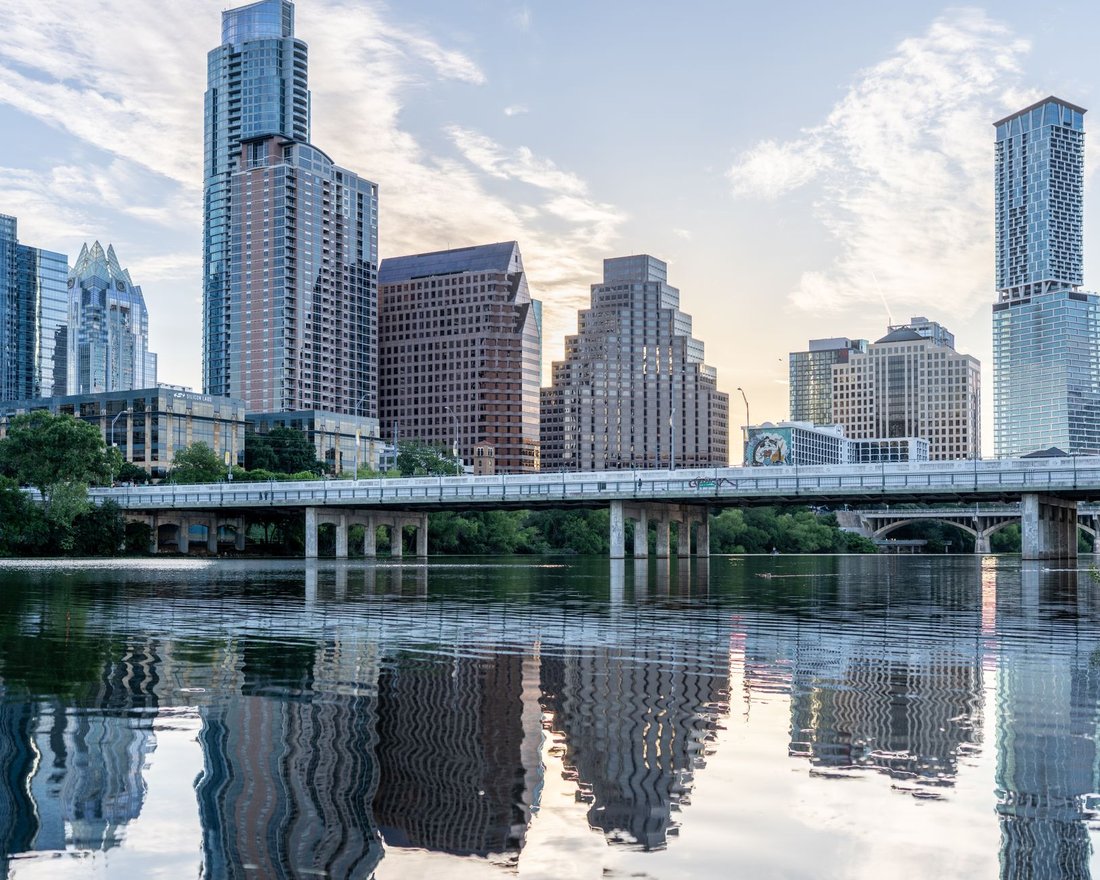
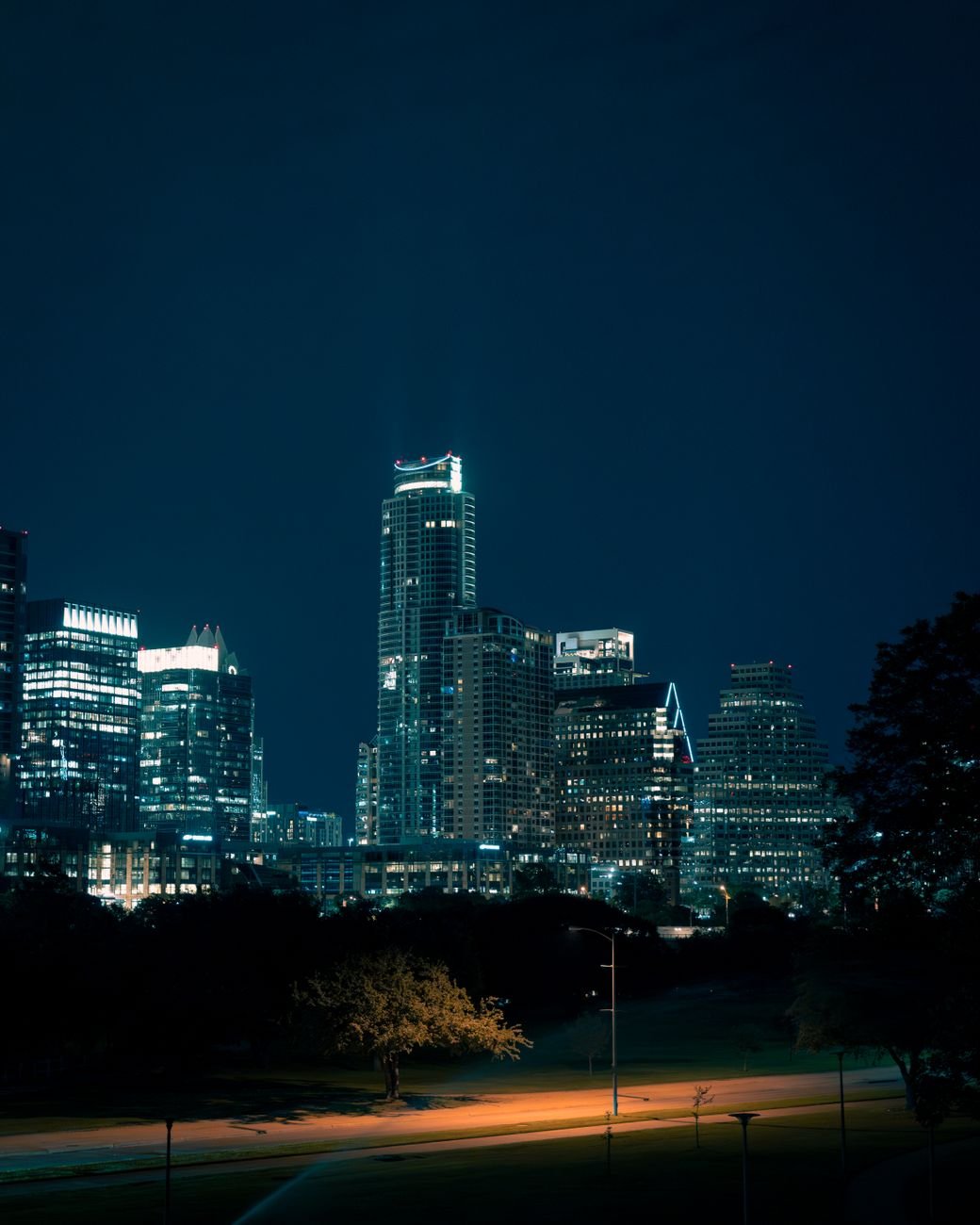
Austin in 2026 is a city in active negotiation with itself. The skyline is legitimately impressive now — high-rises along the lakefront that didn't exist fifteen years ago, cranes still going up in East Austin and along 183 and in the Domain. The cost of living has rearranged who can afford to stay. The musicians and artists who gave the city its reputation are largely not living inside the city limits anymore; they're in Pflugerville and Manor and Kyle. The traffic is not getting better.
And yet. The water in Barton Springs is still cold. The pecan trees on the greenbelt still drop their leaves in November. The Continental Club still books blues on a Tuesday night to a room of forty people who know every word. The breakfast taco at the right spot on the east side still costs a couple of dollars and is still perfect. The Capitol dome still catches the last light on a winter afternoon in a way that makes you stop mid-sentence.
What makes Austin worth visiting in 2026 is not any single attraction but the friction between what's being built and what keeps surviving. The most interesting thing to do here, once you've swum the springs and eaten the brisket and heard the bats and sat in a small room with a band that is too good for the room, is to pay attention to that friction. It tells you something true about American cities that the smooth, Instagram-ready version of Austin would rather not say out loud.