Best Day Trips From Austin You Shouldn't Miss
Everything within about three hours of the Capitol that's worth a full tank of gas, sorted by direction so you can actually plan the day.
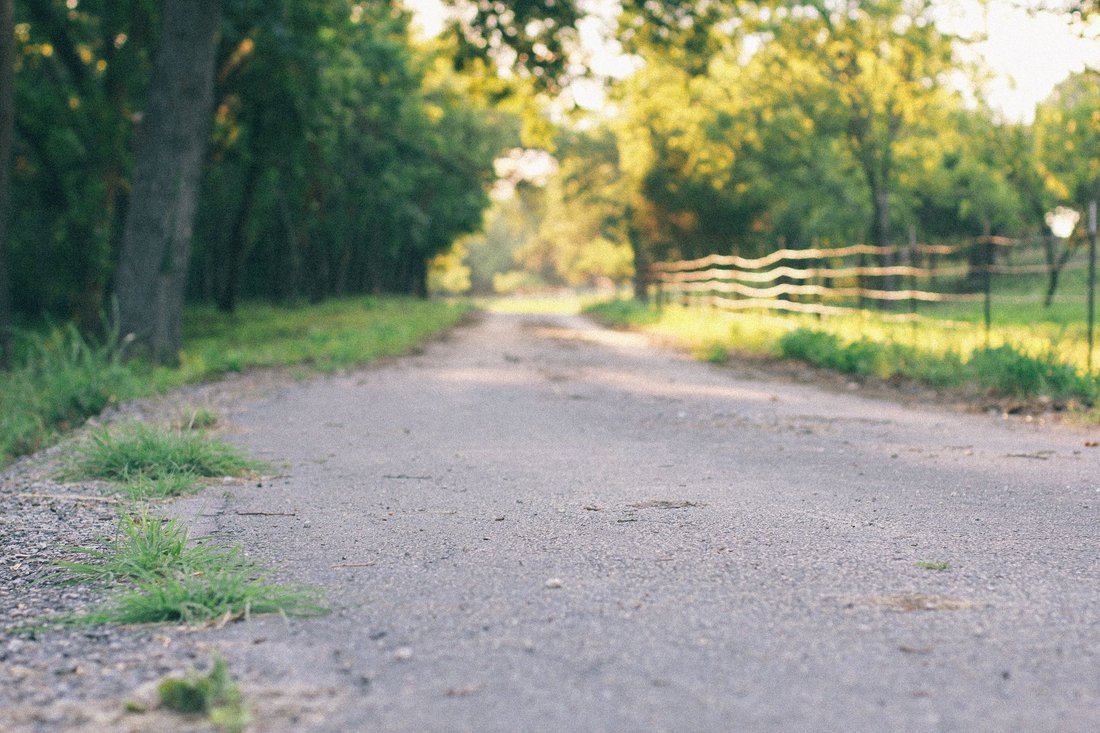
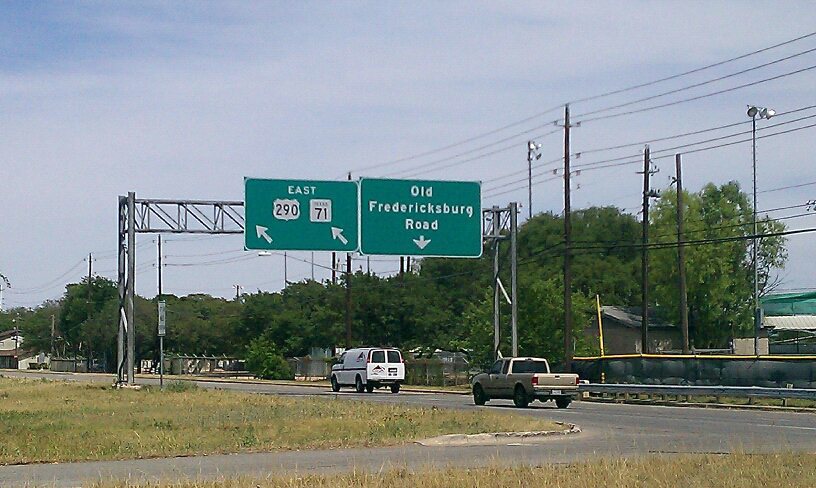
The sprawl doesn't end so much as it gives up. Somewhere past the Y in Oak Hill, where US-290 climbs out of the last subdivision and the live oaks start crowding the shoulder, Austin quits arguing with the land and the Hill Country takes over. That's the moment worth chasing, and it's the whole reason to go looking for the best day trips from Austin in the first place: leave before the heat sets in, point the car west or south or north, and watch the city fall away in the mirror before eight in the morning. This is not a town that stays put well. Everyone who lives here has a list of places they drive to on a Saturday to remember why they moved, or why they never left.
What follows is that list, organized the way you'd actually plan a Saturday: by direction, by drive time, and by what kind of day you're in the mood for. Some of these are close enough to squeeze in after a late breakfast taco. Others eat the whole day and then some, and you should be honest with yourself about that before you commit to San Antonio on a whim.
The Best Day Trips From Austin Start West, Into the Hill Country
West is where most Austinites point the car first, because west is where the flat blackland prairie gives way to limestone hills, cedar breaks, and rivers that run clear over gravel instead of mud. US-290 and RR 12 are the main arteries, and the drive itself is part of the appeal, especially in spring when the bluebonnets take over the medians and everyone's aunt insists on a roadside photo.
Dripping Springs, on the Way to Everywhere Else
Dripping Springs used to be the town you passed through on the way to Fredericksburg. Now it's grown into its own destination, thick with distilleries, wineries, and event venues that host half the weddings in Central Texas, but it hasn't fully lost the ranch-town bones underneath. Stop for a walk through the shops on Mercer Street, or just treat it as the natural first pit stop on the 290 corridor before the road opens up. Time your stop for a weekday morning if you can, when the wedding-weekend traffic hasn't arrived yet and you can actually find parking downtown. You're thirty-five to forty-five minutes out of Austin without traffic, though 290 backs up badly on Friday afternoons as the weekend crowd heads the same direction you are.
Hamilton Pool Preserve
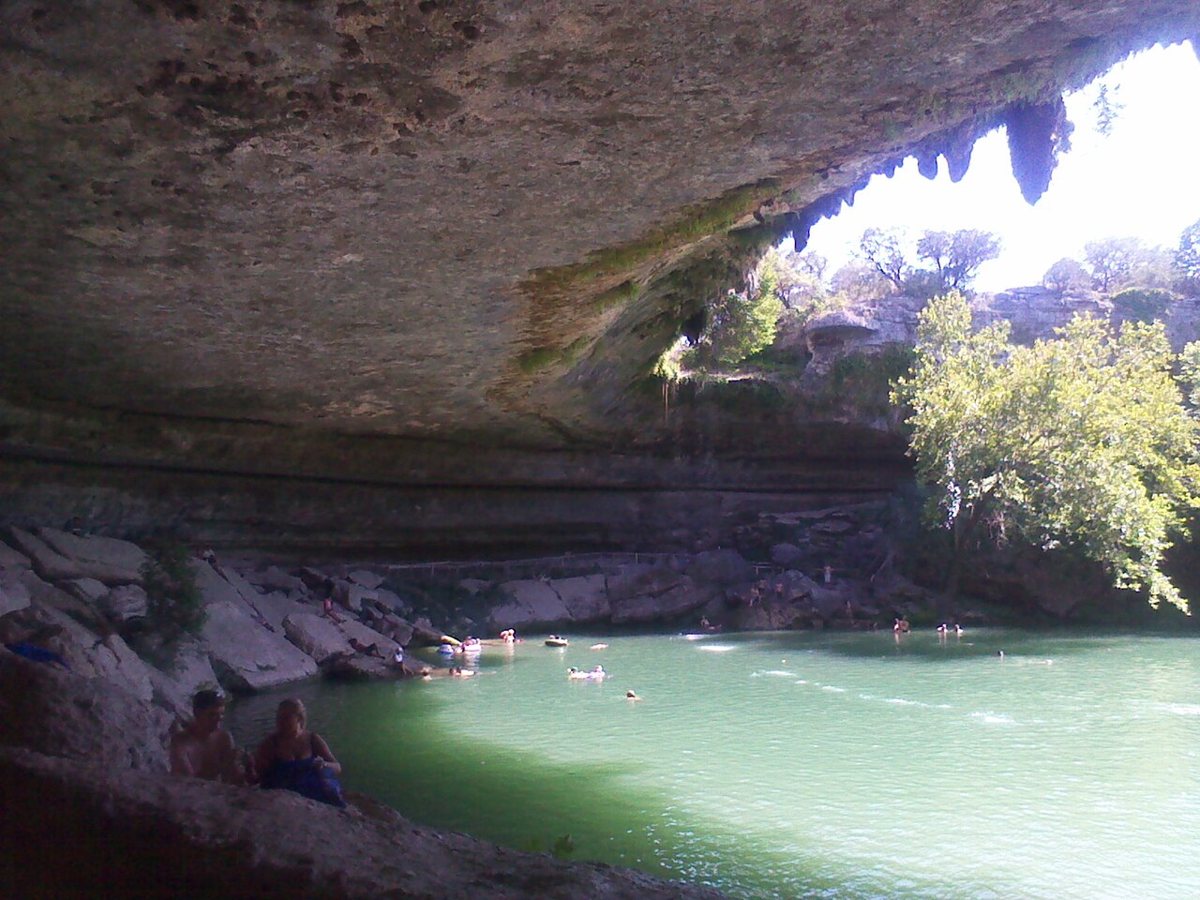
Hamilton Pool is the collapsed grotto photo everyone in Texas has seen on someone's feed, and it earns the reputation. A limestone overhang shades a jade-green pool fed by a waterfall that drops from about fifty feet, the result of an ancient sinkhole formed when the dome of an underground river gave way. It's the most striking swimming hole in the state and it knows it, which is why access is managed carefully now, with a cap on daily visitors, so reserve ahead through the county's system because walk-ups regularly get turned away at the gate. The parking lot fills fast, the trail down to the water is short but a little steep, and swimming closes if bacteria levels spike after heavy rain, so check conditions before you drive out. Budget an hour from central Austin, and more once you're stuck behind the RV traffic on RR 12.

Jacob's Well and Wimberley
A few miles further down toward Wimberley sits Jacob's Well, an artesian spring that pours out of a submerged cave mouth into water so clear it looks lit from below. It's one of the deepest natural springs in Texas and a serious draw for cave divers, though casual visitors mostly come to jump off the small ledge into the cold water on a hot day, when reservations and conditions allow. The town of Wimberley itself, a short drive from the well, is built around a low-key square full of galleries, a market on weekends, and the kind of small-town pace that makes the drive feel worthwhile even without the swimming. One tip locals repeat because people get it wrong constantly: Jacob's Well requires its own separate reservation from Blue Hole downstream, and the two get confused all the time, so double-check which spot you actually booked. It's roughly an hour and fifteen minutes out.
Blanco State Park
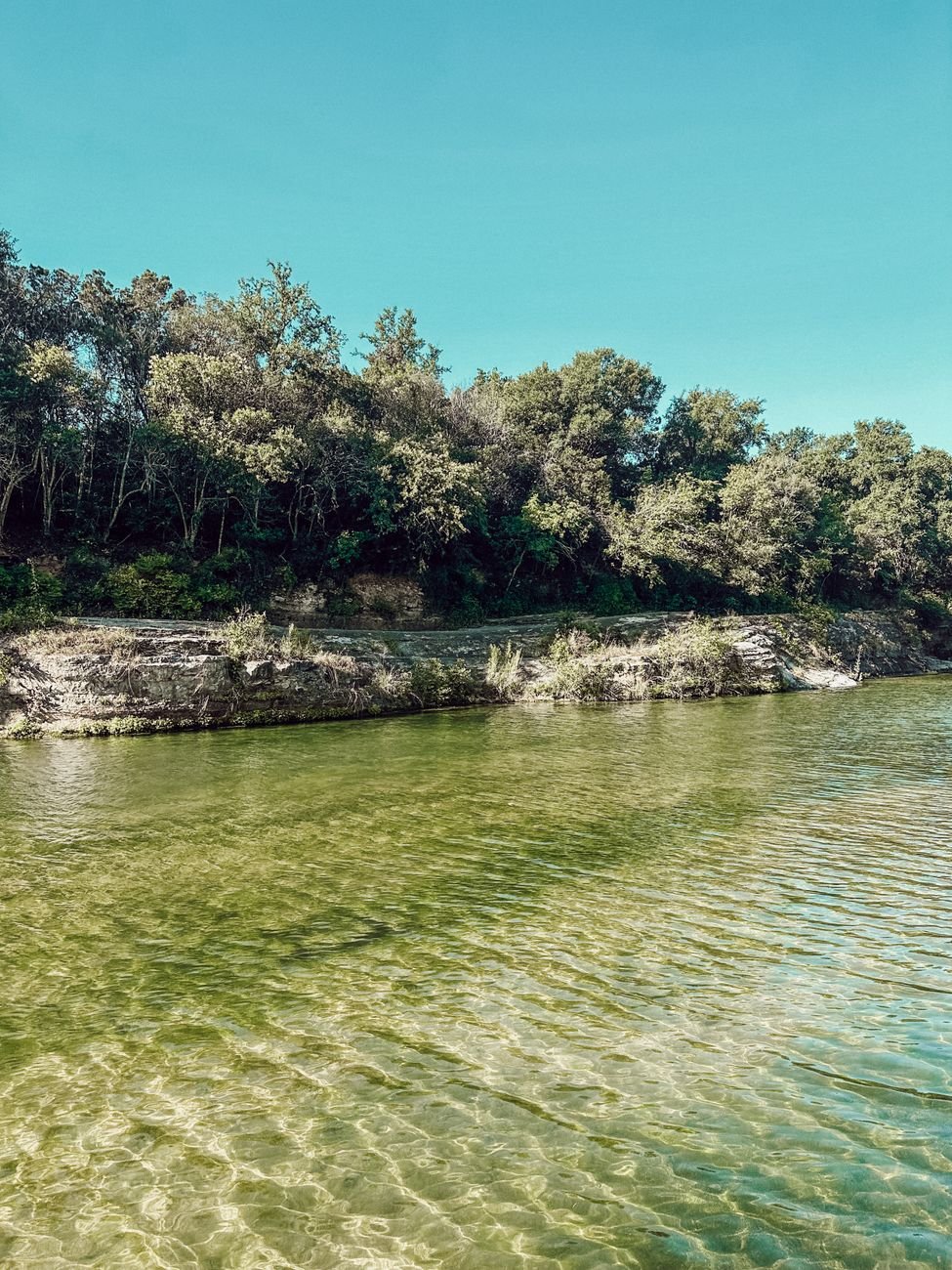
Blanco doesn't get the crowds or the reservation headaches of its more famous neighbors, and that's precisely the point. The Blanco River runs through a compact, easy-access state park right at the edge of town, with shallow spots good for wading, picnic tables under cypress trees, and none of the theater required to get in the water elsewhere in the Hill Country. It's a good backup plan on a day when Hamilton Pool is booked solid, and a fine standalone trip if what you actually want is a quiet river afternoon without a production. The town square in downtown Blanco, a few blocks off the park, is worth a slow walk too. Same rough distance as Wimberley, about an hour and fifteen.
Johnson City and the LBJ Country
Johnson City is a small, unhurried town that happens to hold a serious piece of American history. Lyndon Johnson grew up here, and the Lyndon B. Johnson National Historical Park preserves his boyhood home in town along with the sprawling LBJ Ranch a short drive west, where you can walk the grounds, see the one-room schoolhouse he attended as a child, and get a sense of the working cattle ranch that shaped a president. It's genuinely underrated, quieter and less commercial than Fredericksburg down the road, and a good one for anyone who wants a day trip with some substance to it beyond shopping and swimming. Give yourself time for both the town site and the ranch, since they're separate stops connected by a short drive. Call it an hour and fifteen minutes from town.
Fredericksburg
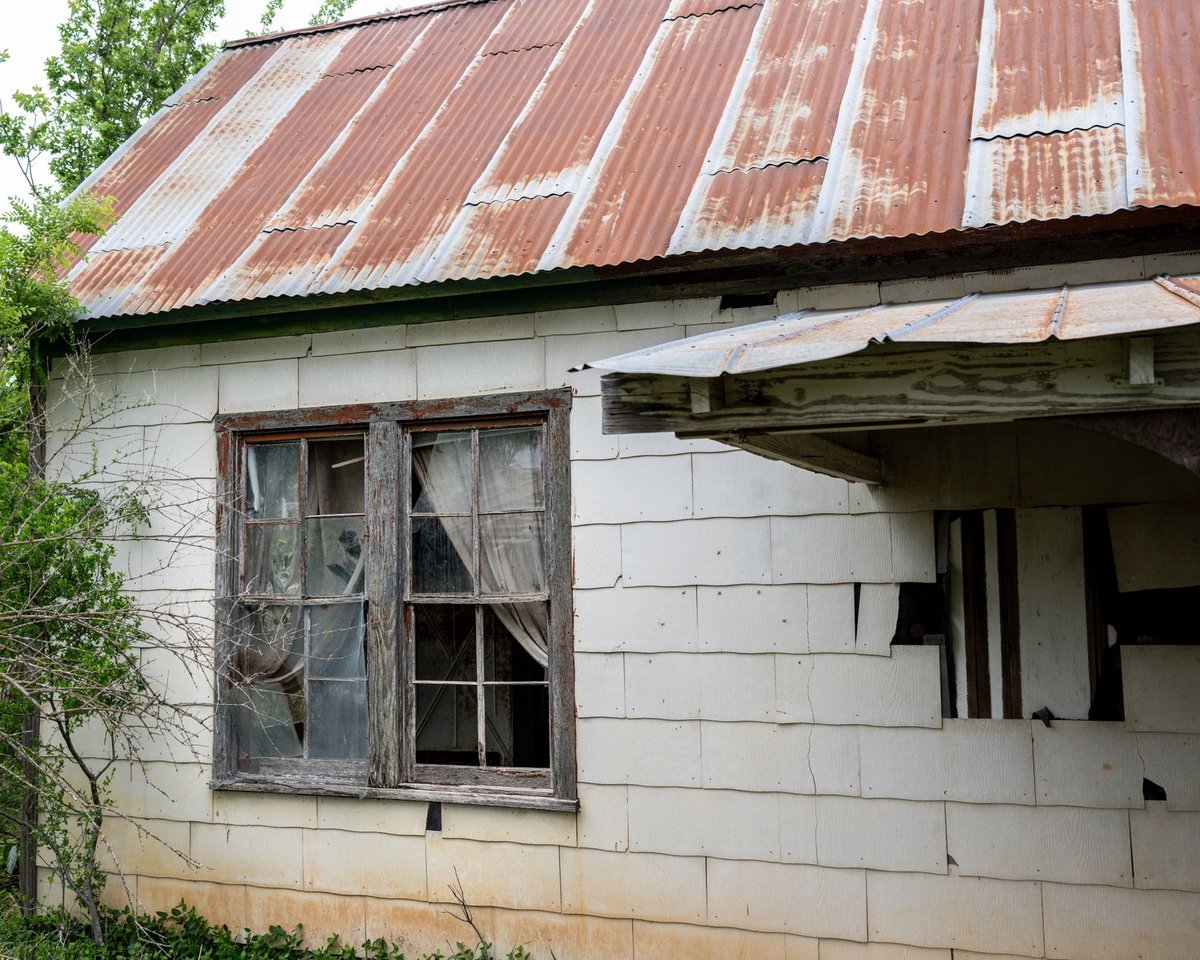
Fredericksburg is the Hill Country's biggest draw for a reason, and also the town most likely to make a local roll their eyes about tour buses on Main Street. Founded by German immigrants in the 1840s, it still carries that heritage in its architecture, its butcher shops, and its beer halls, layered now with a wine industry that's turned the surrounding roads into a genuine tasting circuit. Walk Main Street for the shops and the National Museum of the Pacific War, which anchors the town's naval history tied to Admiral Chester Nimitz, who was born here, then head out to one of the wineries along US-290 for the actual afternoon. Go on a weekday if you can manage it. Weekend Main Street traffic and parking are their own kind of ordeal, and the wineries pour the same glass on a Tuesday without the wait. The drive is about an hour and a half.

Enchanted Rock State Natural Area
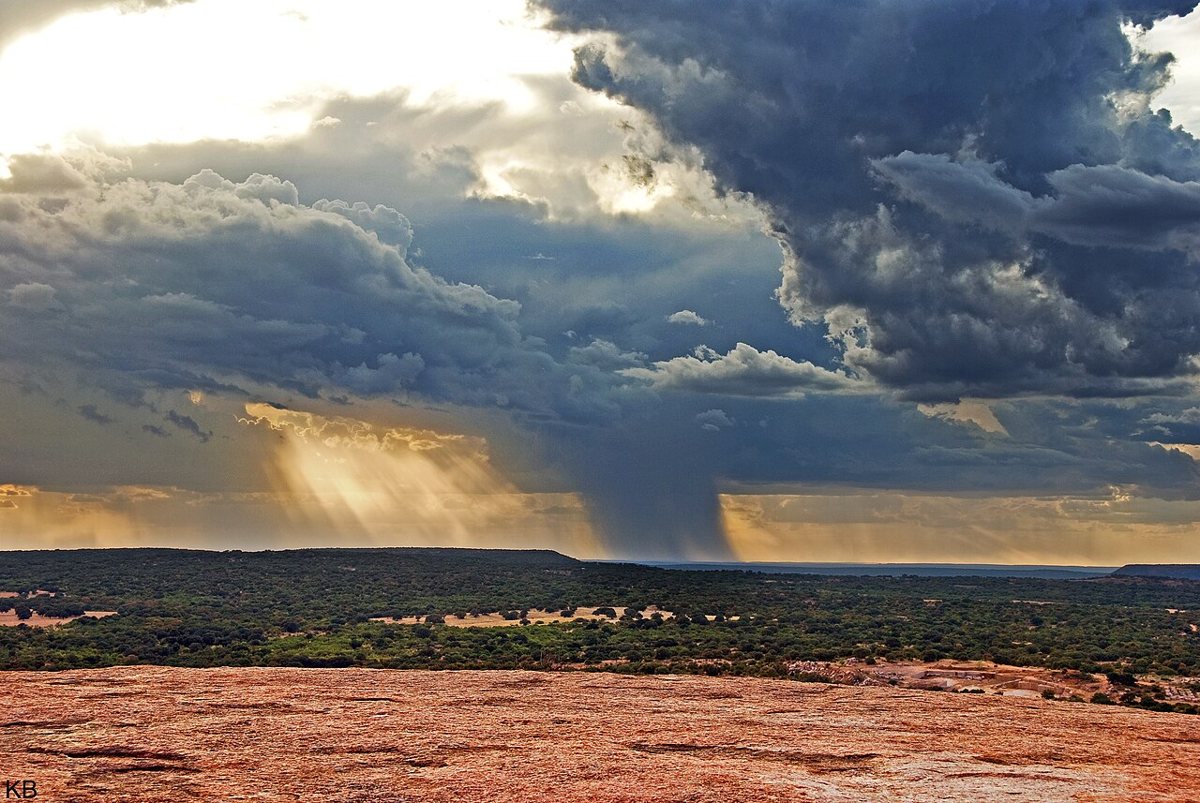
Enchanted Rock is the pink granite dome that rises improbably out of the surrounding ranch land, one of the largest exposed batholiths in the country, and climbing it is the closest thing to a hike Central Texas offers without leaving the state. The summit trail is short but steep and exposed, with almost no shade, so this is not a midday-in-July plan unless you enjoy suffering. Reserve ahead, because the park caps daily entry and regularly closes to new arrivals once capacity hits, especially on weekends and holidays. Sunrise is the answer if you can manage the early start, both for the light on the rock and for the parking spot. The loop trail around the base is a good alternative for anyone who wants the scenery without the climb. Roughly an hour and forty-five minutes, and worth every one of them.

Pedernales Falls State Park
Pedernales Falls sits between Johnson City and Dripping Springs, and it's the trip for anyone who wants Hill Country scenery without a reservation system deciding their weekend. The river runs over stacked limestone shelves in a wide, stepped cascade that looks nothing like the swimming holes further south, and the park keeps the falls area itself closed to swimming for good reason, since the rock is slick and the river floods fast and hard. Wading and swimming are allowed downstream, and the hiking trails through the surrounding scrub and river bottom are better than most people expect. Watch the forecast rather than the sky. Rain miles upstream can raise this river with very little warning, which is exactly how the falls got their reputation. An hour from Austin, give or take.


South to the River Towns
South of Austin, I-35 does the heavy lifting down through San Marcos and New Braunfels toward San Antonio, and this stretch is where the state's tubing culture lives. Summer weekends turn these towns into a slow-moving river party, which is either exactly what you want or a good reason to go on a Tuesday instead.
New Braunfels, Gruene Hall, and the Guadalupe River
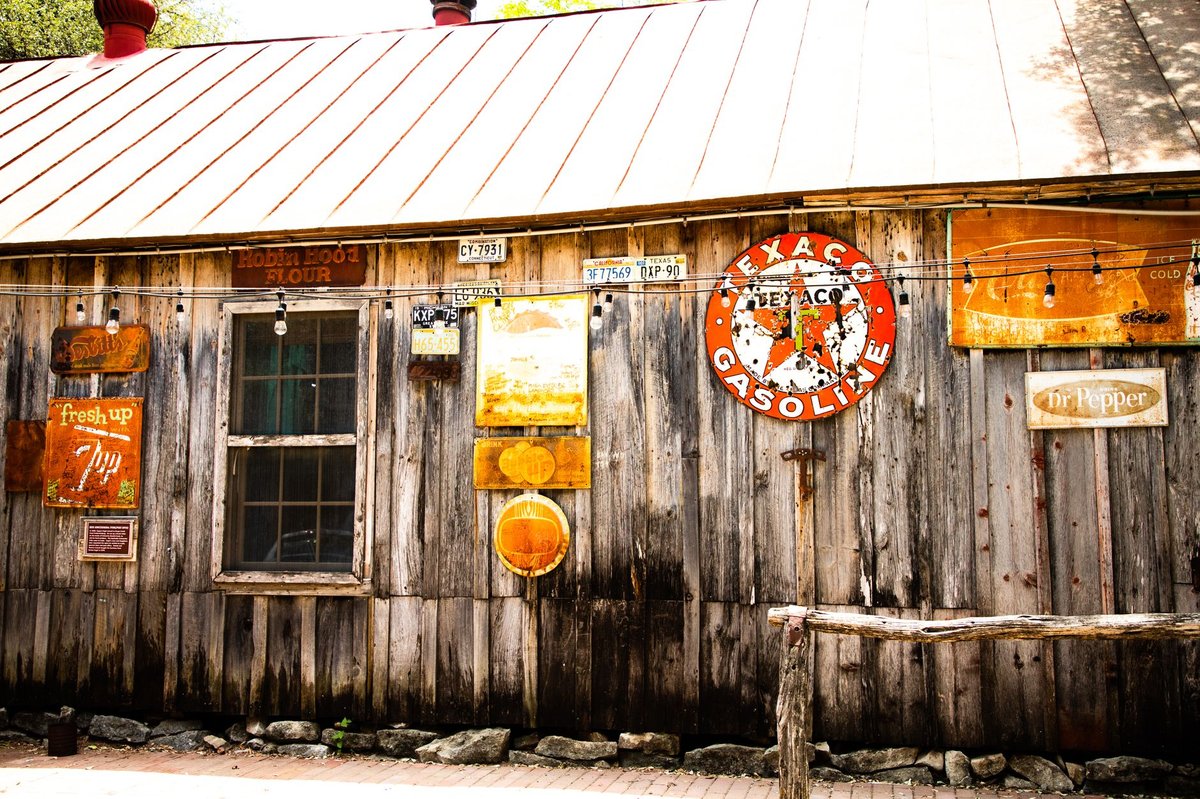
New Braunfels was founded by German settlers around the same era as Fredericksburg, and it carries its own version of that heritage alongside a full-on tubing economy built around the Comal and Guadalupe rivers. The thing to see inside it is Gruene, a historic district on the edge of town built around Gruene Hall, the oldest continually operating dance hall in Texas, a wood-frame building that's hosted everyone from local honky-tonk bands to national acts since 1878. Walk the shops in the Gruene Historic District, then catch a show if the schedule lines up, or just grab a spot on the Guadalupe if the water's the goal. The river gets crowded fast in summer, so an early float beats an afternoon one every time. You're about an hour and fifteen minutes down I-35.
San Marcos and the San Marcos River
San Marcos sits on a spring-fed river that runs a near-constant seventy-two degrees year round, which makes it a genuine relief in August when everything else in Texas feels like an oven. Tube the river through the city park system, wander the historic downtown square, or hit the outlet malls if that's more your speed on a given day. Spring Lake, at the river's headwaters near Texas State University, is worth the short detour for the clarity of the water alone. The local move is to rent a tube in town rather than hauling your own, since the outfitters run shuttle service back upstream and save you the walk. Fifty minutes from Austin without traffic, which on this stretch of I-35 is doing a lot of work as a caveat.

San Antonio, for the Ambitious Day
San Antonio is a stretch as a day trip, honestly, and most people who go end up wishing they'd stayed the night. It's doable if you leave early and accept you'll only get through a fraction of the city. The River Walk is the obvious anchor, a network of walkways below street level lined with restaurants and cypress trees that runs through downtown, and it's a nice way to spend a few unhurried hours. The Alamo sits a short walk from the River Walk's northern end, the site of the 1836 battle that's become the central symbol of Texas independence, and the mission compound is the rare historic site that lives right in the middle of a working downtown rather than out on a highway somewhere. Timed entry and site rules there have changed more than once in recent years, so check the current setup before you build a morning around it. Between the two, plan for at least half a day, and know that I-35 traffic through both cities can eat an hour you didn't budget for. Count on an hour and a half each way in good conditions, which San Antonio traffic rarely offers during rush hour.

Southeast: Barbecue Smoke and Pine Trees
Southeast of the city, along US-183 and the smaller farm roads, the land shifts from Hill Country limestone to the sandy soil and pine trees of the Lost Pines, and the whole area is built around two things: exceptional barbecue and a river.
Lockhart, the Barbecue Capital of Texas
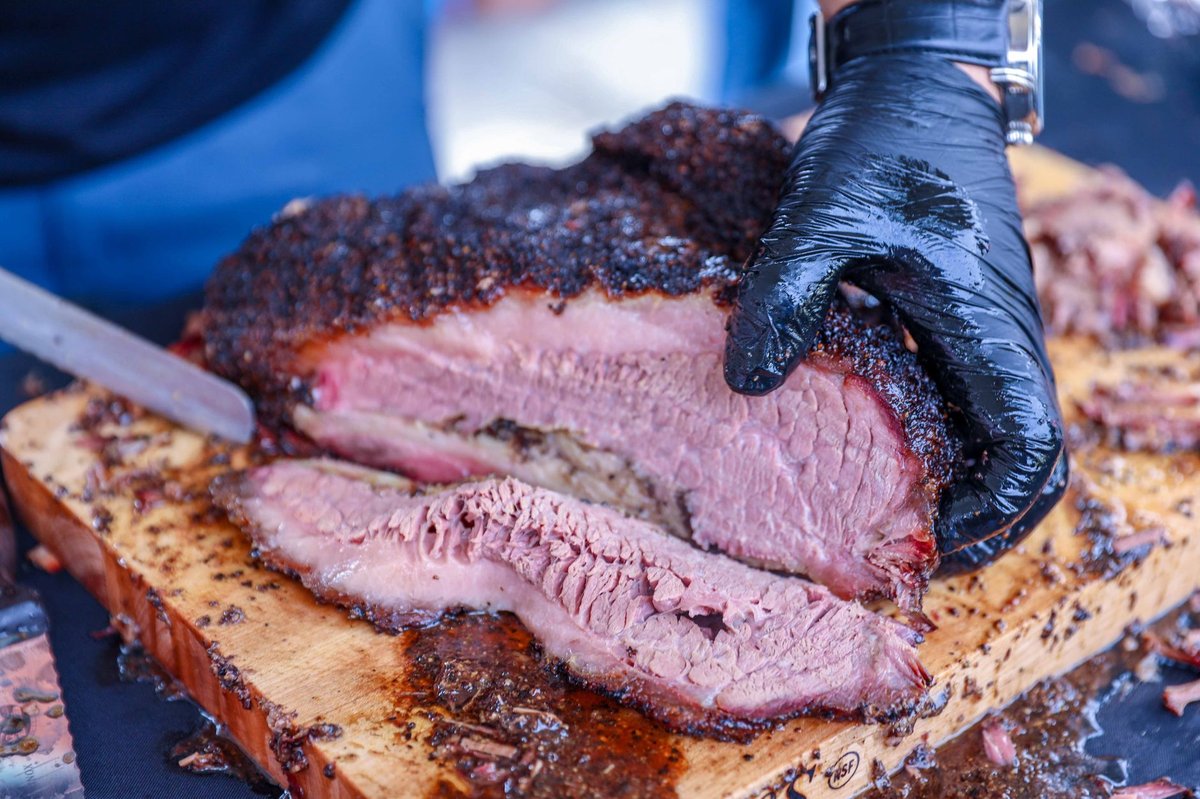
Lockhart earned its official designation from the state legislature as the barbecue capital of Texas for good reason, home to several of the oldest and most respected barbecue joints in the state, the kind of places where the pits have been running since before air conditioning was common in Central Texas. This is the trip for anyone who's already worked through the brisket you didn't have to drive for and wants to see where a lot of that Central Texas tradition actually got built. Get there on the early side, because the good places sell out of the best cuts by early afternoon, and bring cash, since plenty of the old-school spots still keep the card reader as an afterthought. The courthouse square downtown is a pleasant short walk if you need to work off lunch before the drive back. It's a straightforward forty-five minutes to an hour out of town.
Bastrop State Park
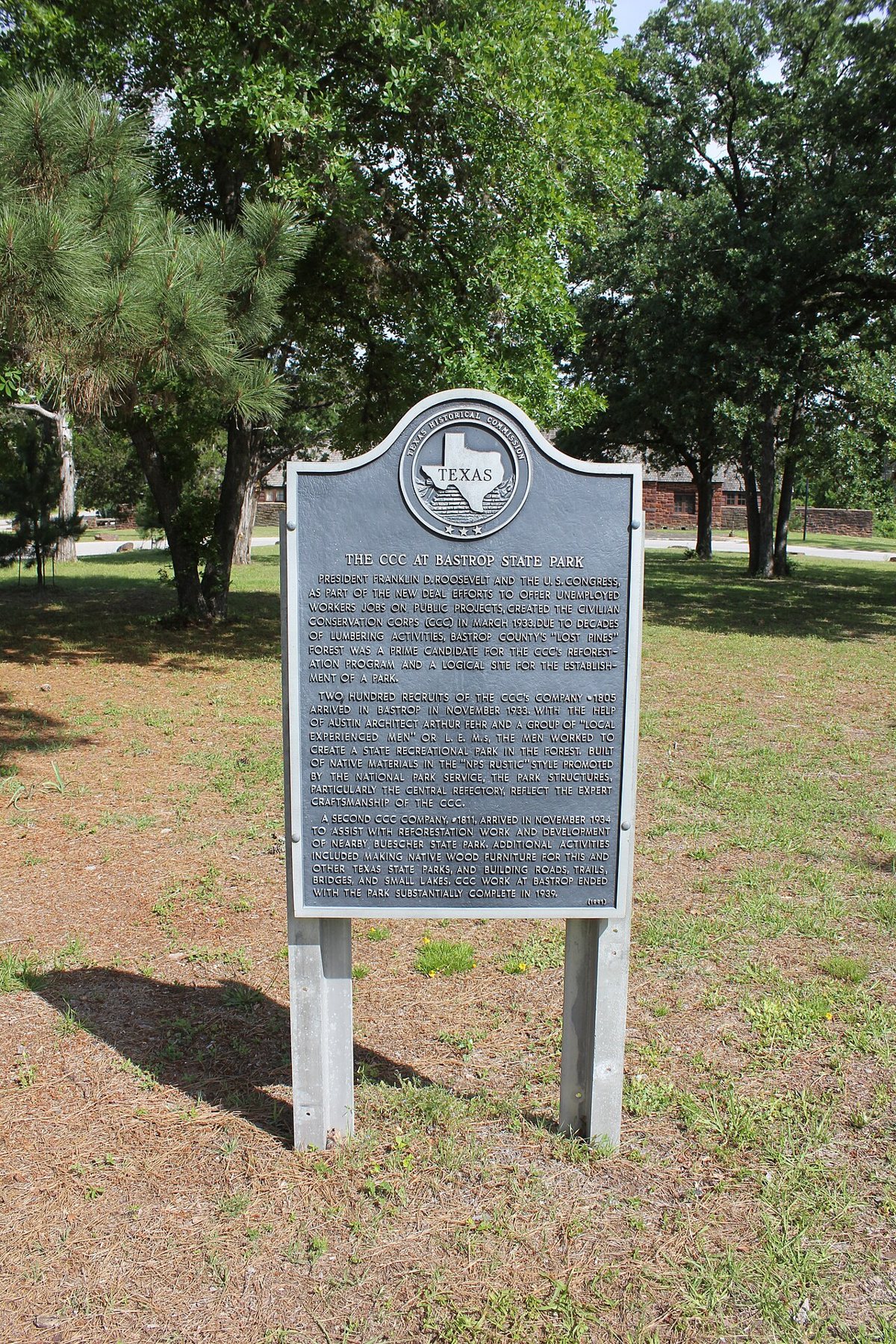
Bastrop State Park sits inside the Lost Pines, an isolated stand of loblolly pine forest that shouldn't exist this far from East Texas by all rights, a geological holdover from a wetter era. A 2011 wildfire burned through most of the park, and the recovery since has been remarkable to watch, with new growth filling back in under the surviving trees over the past decade. Hike or bike the park's trails, swim in the CCC-era pool if it's open for the season, or just drive the park road under the pines for the change of scenery from everything else on this list. The town of Bastrop itself, right along the Colorado River, has a walkable historic downtown worth a stop on the way in or out. Forty-five minutes, and the easiest drive on this whole list.

North to Salado and Waco
North on I-35 is the corridor Austinites complain about most, a straight shot through construction zones and freight traffic that can turn a ninety-minute drive into something considerably longer without warning. Still, it leads somewhere worth going.
Salado
Salado is easy to miss if you're barreling up I-35 toward Waco, which is exactly the mistake worth not making. It's a small village built around Salado Creek, with a walkable historic district of shops and galleries housed in nineteenth-century stone buildings, and a genuinely quiet, unhurried feel that's rare this close to the highway. It works well as a stretch-your-legs stop on the way to Waco or as its own modest half-day trip if you want something low-key and short on driving. Walk down to the creek behind the main strip, where the water and the shade go largely unnoticed by highway traffic passing a few hundred yards away. Salado is an hour and a half up the interstate.
Waco and Magnolia Market
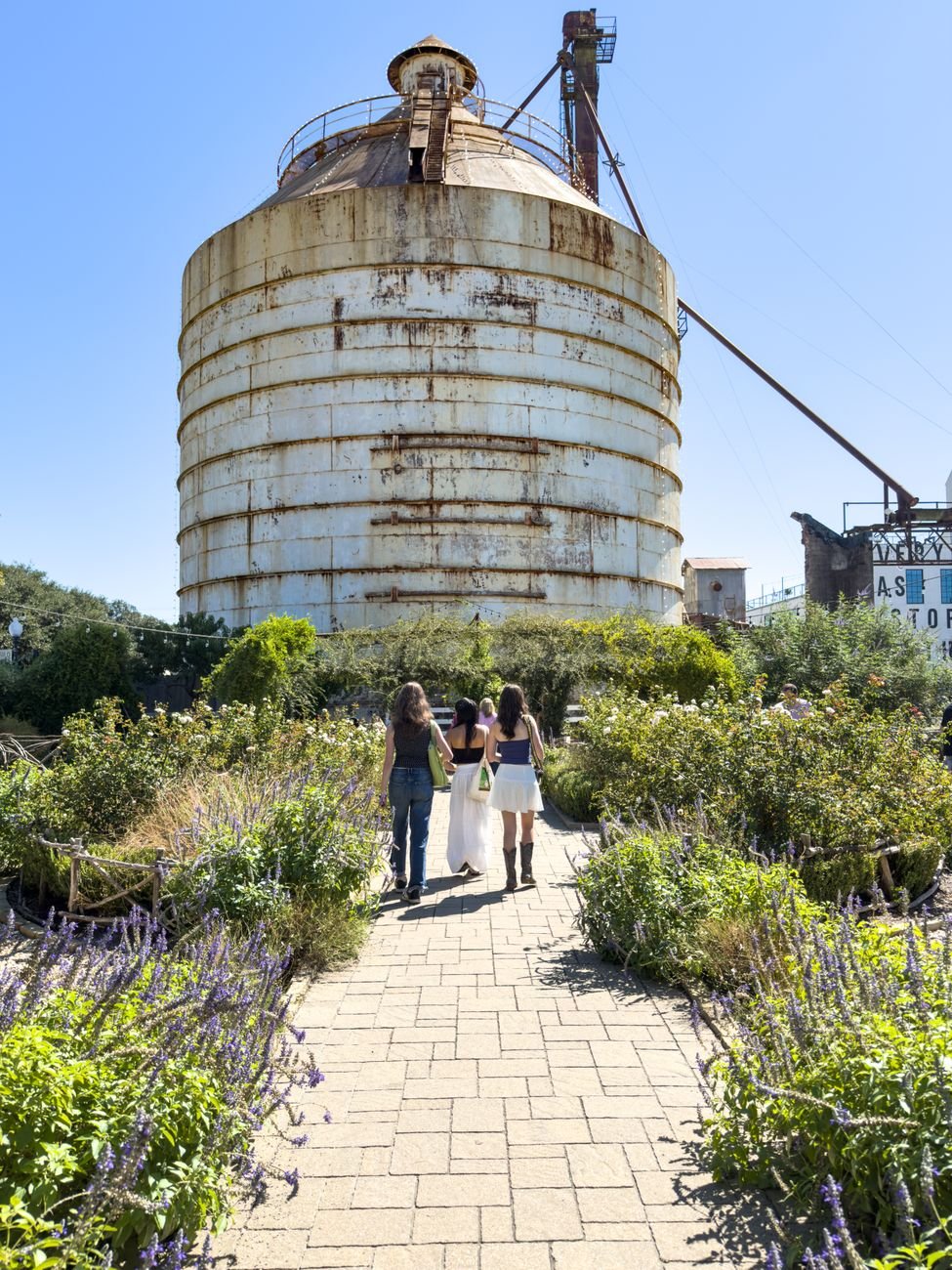
Waco spent decades known mostly for Baylor and for events its residents have long since tired of being asked about, and then Chip and Joanna Gaines rebuilt the city's downtown identity around Magnolia Market, the retail and garden complex built out of old cotton mill silos that now anchors the whole district. Whatever you think about the phenomenon, it revived a stretch of downtown that had been sitting empty for years, and it's worth seeing even for visitors who've never watched an episode of the show that started it. Beyond Magnolia, Waco has the Dr Pepper Museum, the Cameron Park Zoo, and a walkable riverfront along the Brazos. Aim for a weekday if crowds aren't your thing, since the silos draw serious weekend traffic from across the state. Count on an hour and forty-five minutes, more with I-35 construction, which is close to a permanent condition on this stretch.
Getting There Without Losing the Day
The honest truth about day trips from Austin is that the drive is often the hardest part of the plan, not the destination. I-35 north and south of the city is one of the worst commuter corridors in the state, with construction that seems permanent rather than temporary, and traffic that backs up badly by mid-morning on weekdays and by midday on weekends heading toward the river towns. US-290 west has its own version of this problem on Friday afternoons and Saturday mornings, when half the city is chasing the same wineries and swimming holes you are.
- Leave early. Seven or eight in the morning beats nine every time, both for traffic and for beating the Texas sun, which turns brutal by midday from May through September.
- Reserve ahead for anything water-related. Hamilton Pool, Jacob's Well, and Enchanted Rock all cap daily visitors, and showing up without a reservation is a real way to lose your whole afternoon to a closed gate.
- Carry cash for small-town spots. Plenty of the older barbecue joints, produce stands, and family-run shops in these towns still run cash-first, even if most now take cards too.
- Free doesn't mean unlimited. State parks and historical sites often charge modest entry fees even when the main attraction feels like it should be free, so budget a little for gate fees across most of these stops.
- Watch the return trip. The drive back into Austin on a Sunday evening from any of these directions can be as slow as anything you'd hit on a weekday commute.
None of this requires giving up on Austin itself. Most of these trips work fine as half-days if you time them right, leaving the evening free for the swimming holes closer to home once you're back in town and the heat's finally letting up.
The Point of All This Driving
Austin gets credit for being a great city and less credit for being surrounded by an even better region, which is its own kind of shame. The Hill Country, the river towns, the barbecue trail south of town, the pine forest that shouldn't exist where it does: none of it requires SXSW crowds or a festival weekend to justify the trip. It requires an early alarm, a full tank of gas, and the willingness to sit in some traffic on the way home. The people who've lived here longest tend to be the ones who still make these drives regularly, not because the city itself has gotten worse, but because the land around it never stopped being the actual draw. Go see it before it changes too, because everything here eventually does.