Best Parks in Austin You Shouldn't Miss
Austin's parks hold the whole city's contradictions: free spring-fed water, wild greenbelt fifteen minutes from downtown, and the traffic you fight to reach both.
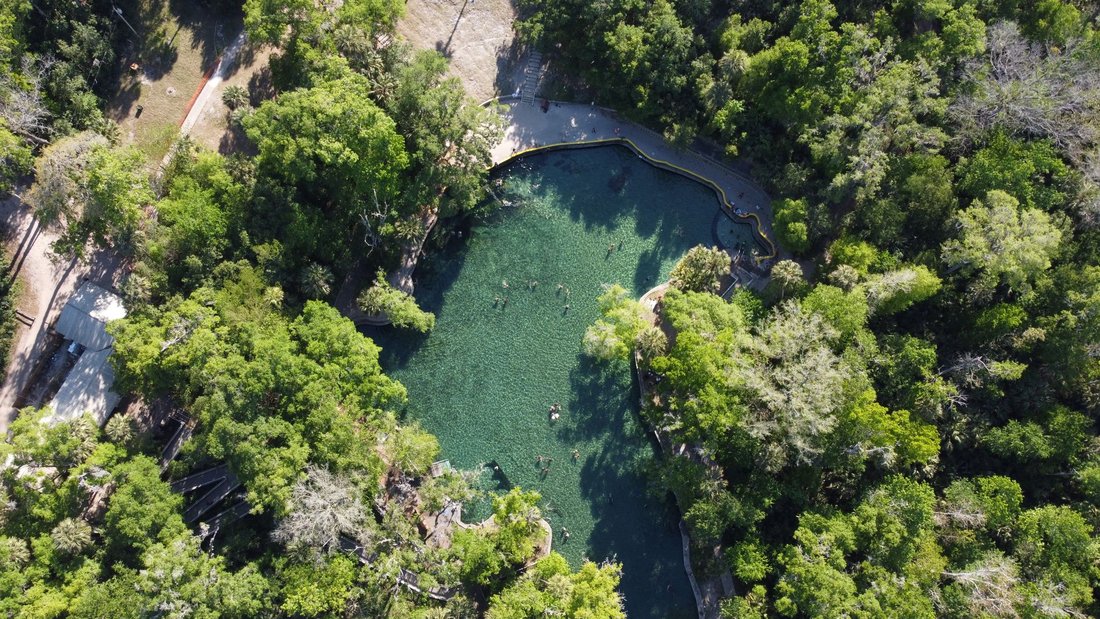
Ask a local to rank the best parks in Austin and they'll take you here first. It's a Tuesday morning in July and the parking lot at Barton Springs Pool is already full by nine. Not the tourists, locals mostly, the kind who know to come before the heat turns serious, who fold their towels the same way every time and nod at the same lifeguards they've been nodding at for a decade. A woman does slow laps in the shadow of the diving board while a toddler shrieks at the cold on the shallow end. Nobody is filming anything. This is just Tuesday. If you want to understand why people put up with the traffic and the rent and the summers that stretch past what a body should tolerate, you start here, at a natural pool that runs a steady chill no matter what the thermometer says outside. Any real accounting of the best parks in Austin has to start with water, because this city organized itself around a creek and a dam and a handful of springs long before anyone drew a highway through it, and the parks that grew up around that water are still the ones that hold the place together.
This guide moves through the city more or less how a local would move through it, swimming holes first, because that's the correct order of operations in a Texas summer, then the big civic parks, then the hiking preserves where the crowds thin out, then the gardens and quieter corners that don't get their due. Fourteen places, one clear throughline: green space here isn't a break from the city, it's the reason the city makes sense.
The Swimming Holes That Define an Austin Summer
Barton Springs Pool sits inside Zilker Park proper, a three-acre spring-fed pool that holds a temperature in the high sixties Fahrenheit year-round, which means it feels arctic in August and almost warm in January. It was formed by damming Barton Creek, and the endangered Barton Springs salamander lives in the silt at the bottom, which is part of why the water quality fights here have been so fierce for so long. What you actually do: bring a towel, get there early on weekends, swim slow laps or just float near the ropes where the current from the spring outflow pushes past you. The insider move is to skip the main gate in peak afternoon and come at dawn or after work, when the light goes gold on the limestone cliffs at the far end and the crowd is a third of what it was at noon. It's in the middle of the city, walkable from South Congress, and it is still, somehow, not ruined.
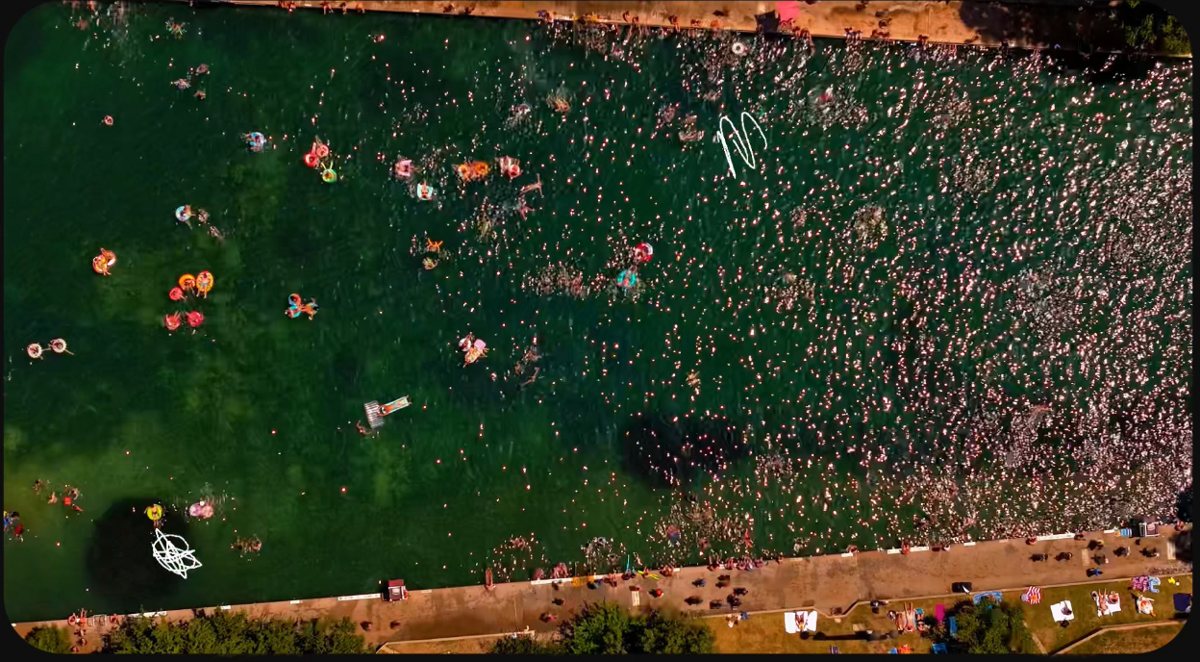

Fewer people make it out to Deep Eddy Pool, which is a shame, because it predates Barton Springs as a swimming destination and has its own strange history as one of the oldest swimming pools in Texas, built around a natural spring-fed swimming hole on the Colorado River. It reads more like a classic municipal pool than a wild spring, concrete decking, a diving board, lounge chairs, but the water still comes in cold and clean, and the crowd skews neighborhood rather than citywide. It sits over in the Tarrytown area near the river, a few minutes from downtown but a world away in pace. Go for a lunchtime swim on a weekday and you'll have a lane mostly to yourself.

Zilker Park and the Trail That Circles the City's Heart
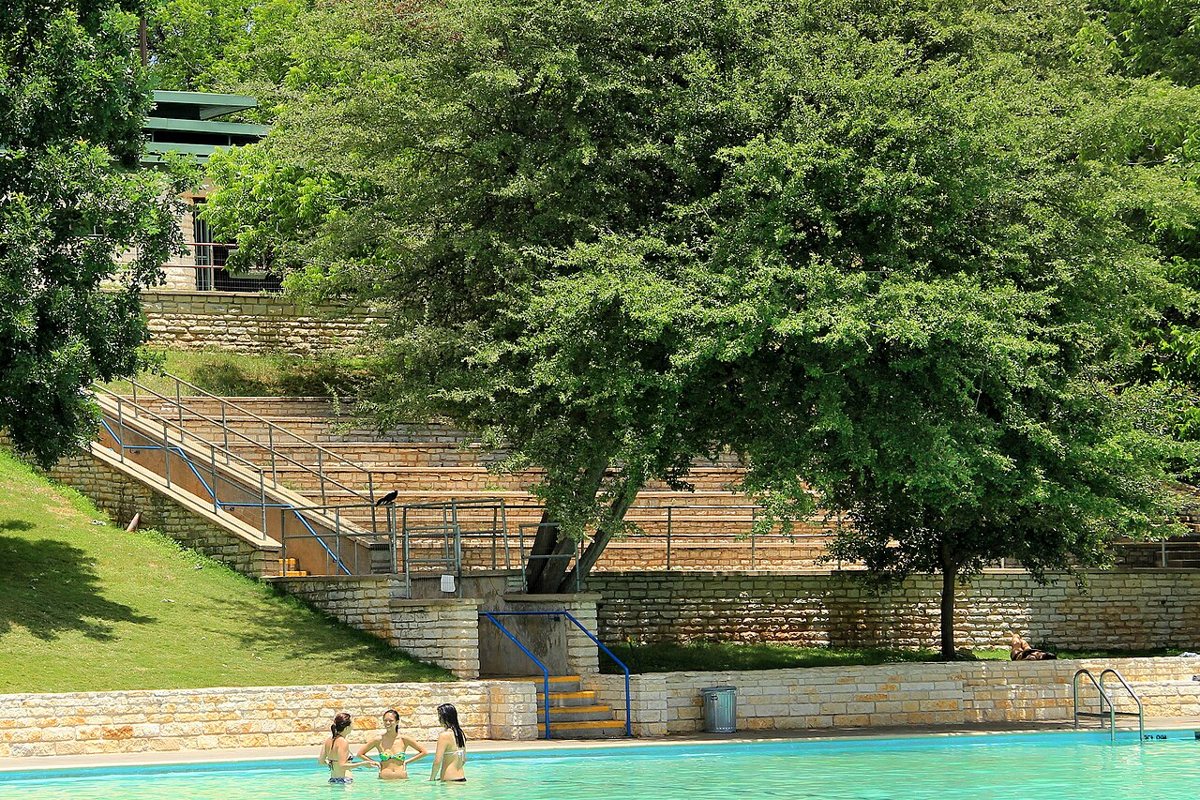
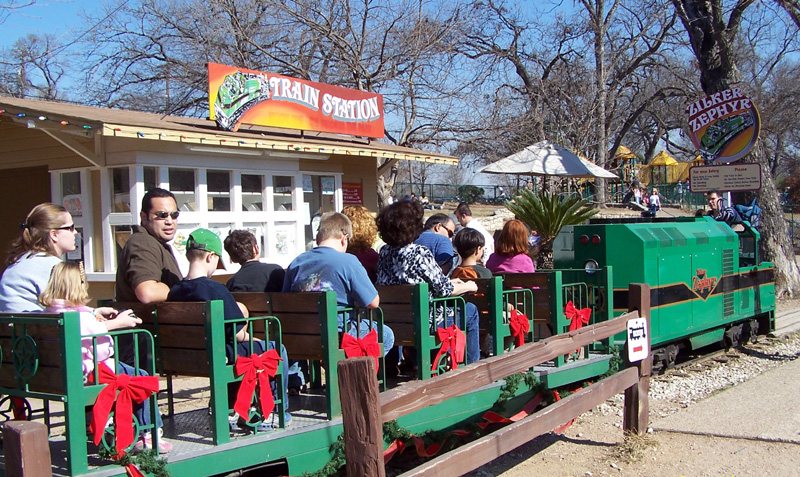
Zilker Park itself deserves its own entry beyond the pool at its edge, because the pool is really just one piece of a sprawling green core that includes the Great Lawn, the disc golf course, the Zilker Botanical Garden tucked into its eastern half, and the trailhead for the hike-and-bike loop around Lady Bird Lake. On a weekend afternoon the Great Lawn fills with kickball games, birthday picnics, dogs off leash where they shouldn't be, and at least one group practicing some kind of dance routine near the tree line. The insider tip is to enter from the Barton Springs Road side rather than fighting for parking near the pool, and to bring a kite or a frisbee if you want to blend in rather than just sit. This is the one park in Austin that functions as a genuine commons, the closest thing the city has to a shared backyard, and it earns its reputation as one of the best parks in Austin precisely because it refuses to be just one thing.

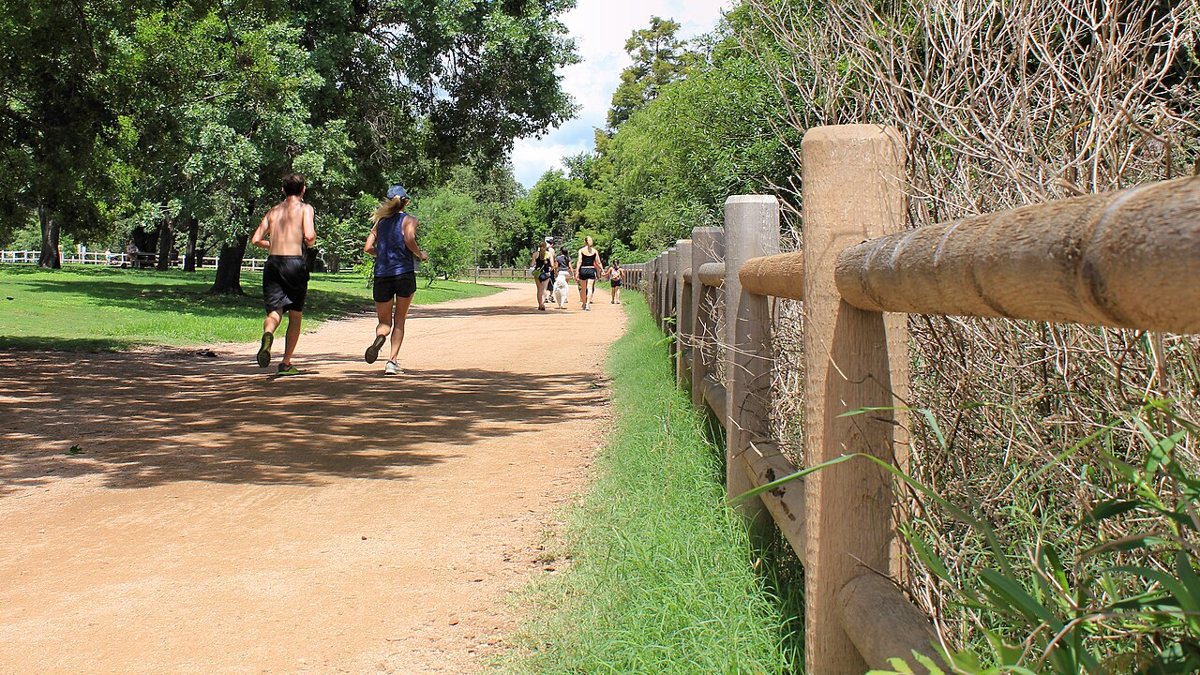
The Ann and Roy Butler Hike-and-Bike Trail wraps Lady Bird Lake for roughly ten miles and functions as connective tissue between half the parks on this list. Runners use it before work, families use it on the boardwalk section that floats out over the water near downtown, and paddleboarders drift underneath on the lake itself. What you actually do here is pick a stretch rather than try the whole loop, the boardwalk near the Four Seasons for skyline views, or the quieter west side near Zilker for shade and fewer joggers elbowing past. Locals treat this trail less as a destination and more as a daily ritual, the same way other cities have a subway commute; here it's a run along the water before the heat sets in.

Wild Ground: The Greenbelt and the Preserves
The Barton Creek Greenbelt is where Austin stops pretending to be a city at all. Roughly seven miles of limestone canyon, cliffside trails, and swimming holes strung along the creek, accessible from multiple trailheads on the west side near Barton Hills and Zilker. Water levels here depend entirely on recent rain, so a hole that's chest-deep in June can be a dry rock bed by August, which is either the greenbelt's charm or its cruelty depending on your mood that day. Regulars hike in to Twin Falls or Sculpture Falls, cliff-jump where it's safe and legal to do so, and treat the whole thing as Austin's answer to a national park, minus the entrance fee and the crowds from out of state. The insider tip is to check recent rainfall before you go, because a greenbelt trip planned around swimming can turn into a hot, dusty hike with nothing at the bottom.
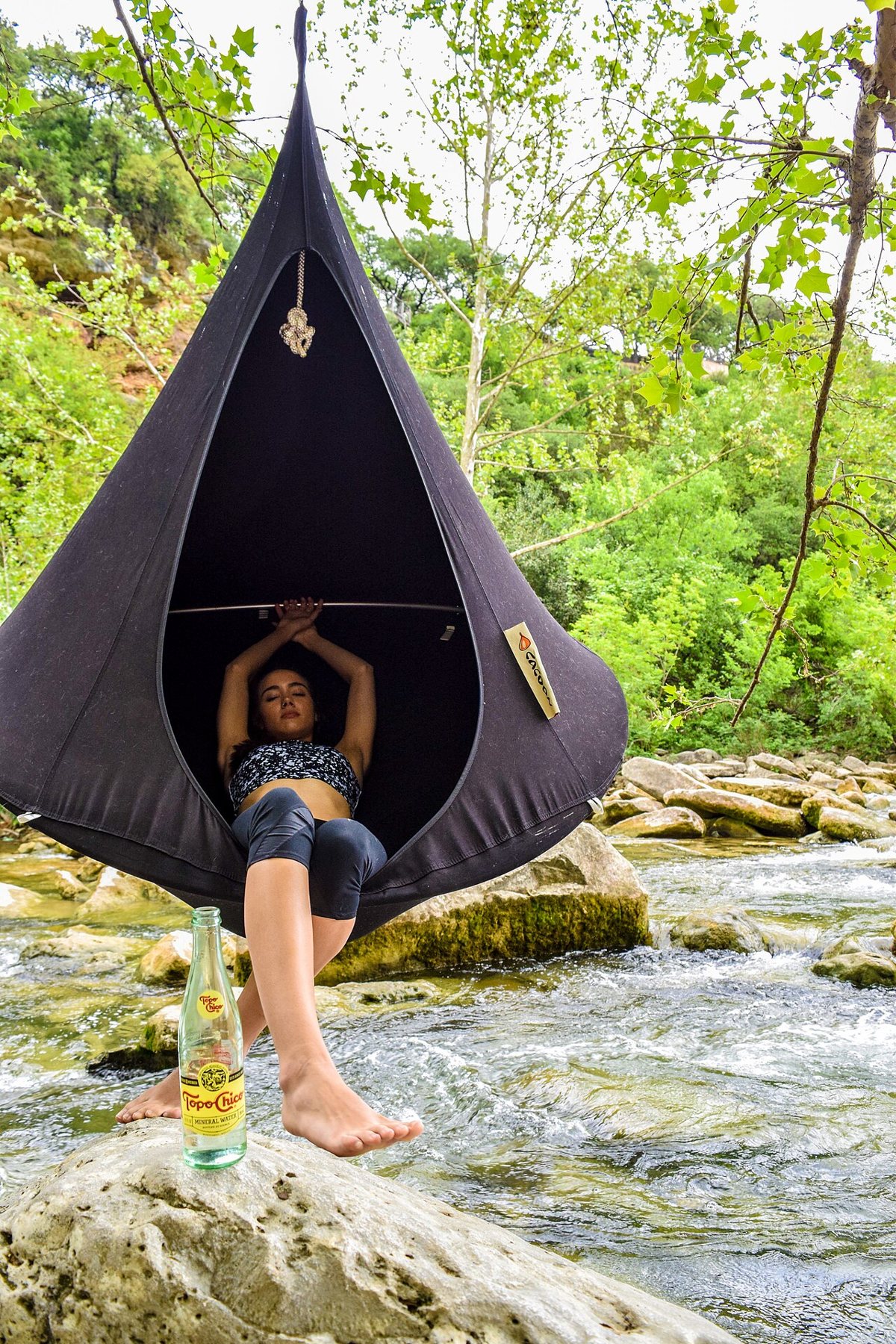

McKinney Falls State Park sits on the southeast side of town, far enough out that it draws a different, calmer crowd than the greenbelt, with two sets of falls on Onion Creek, a swimming hole below the lower falls, and enough trail mileage to make a half-day of it without ever feeling packed. There's also a rock shelter used historically by Indigenous peoples and later by Stephen F. Austin's colonists, which gives the place a layer of actual history most city parks can't claim. Bring water shoes for the limestone shelves, which get slick, and go on a weekday if you want the falls mostly to yourself. This is the park to recommend to anyone who says the Austin outdoors scene is all hype and no substance, it isn't performative here, it's just quiet.
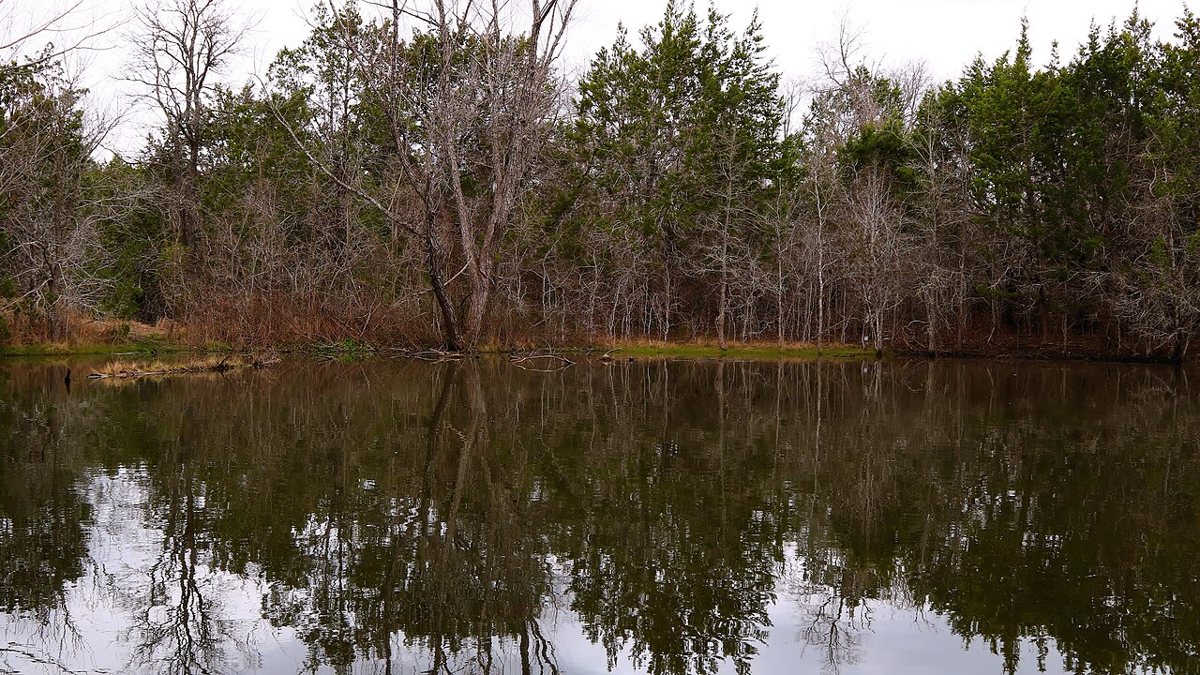

Walnut Creek Metropolitan Park, up on the north side, gets a fraction of the visitors that Zilker or the greenbelt pull in, which is exactly its appeal. Miles of mountain-bike singletrack wind through cedar and oak, and hikers share the trails without much friction most days. It reads as more forest than park, dense enough that you lose the sense you're still inside city limits within a few minutes of walking in. The insider move is to go on a weekday morning if you're hiking rather than biking, since the singletrack draws a serious cycling crowd on weekends and the trails aren't wide.
Downtown Green: Where the City Breathes
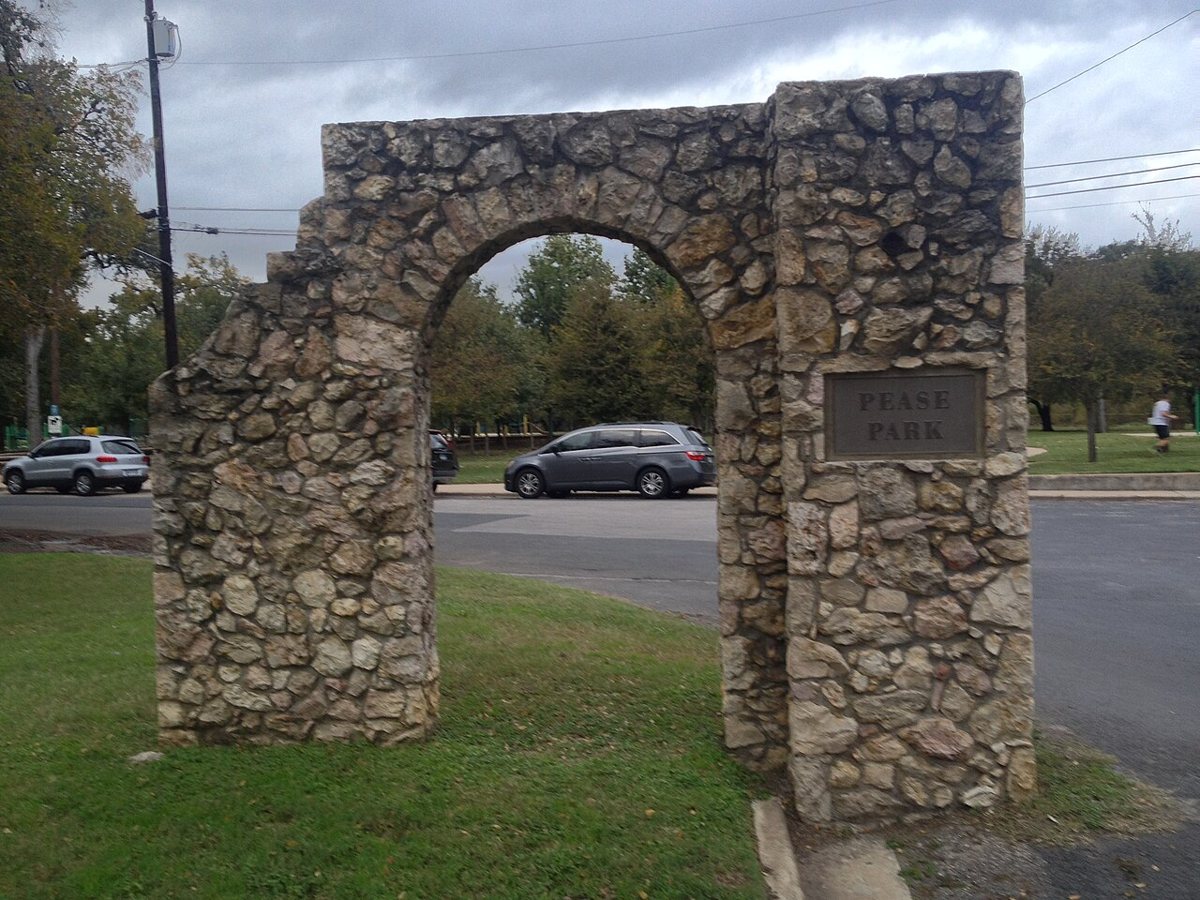
Pease Park runs along Shoal Creek just west of downtown, bordering the Old West Austin and Clarksville neighborhoods, and it's the park locals reach for when they want green space without driving anywhere. Live oaks canopy most of the trail, there's a section called Kingsbury Commons with a play area and open lawn that hosts everything from yoga classes to the occasional wedding, and the creek itself, when it's running, offers a shaded walking path that feels cooler than the streets around it by several degrees. It's an easy park to underrate because it doesn't have Zilker's scale or the greenbelt's drama, but for a quick walk after dinner or a place to read under a tree within the urban core, it's hard to beat.

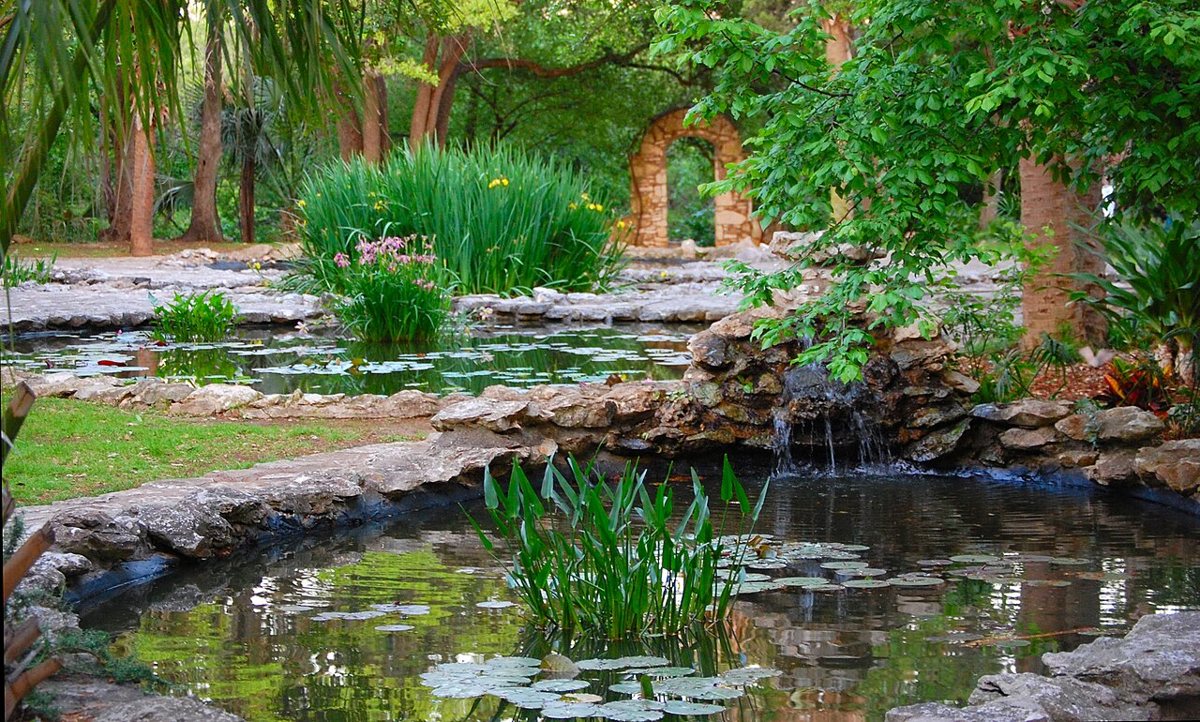
Mayfield Park, tucked against Lake Austin over near Mount Bonnell, is smaller and stranger than most Austin parks, a historic cottage and gardens where peacocks roam freely, descendants of birds kept by the property's original owners. Beyond the formal garden with its lily ponds, a nature preserve trail drops down toward the lake through denser woods. It's an odd, lovely little pocket, the kind of place you bring an out-of-town visitor when you want to surprise them rather than just check a box. Go in late afternoon when the light comes in low through the garden and the peacocks are more active. It sits close enough to Mount Bonnell that pairing the two into one outing makes sense, though Mount Bonnell itself is more overlook than park.

Gardens and the Quiet Edges
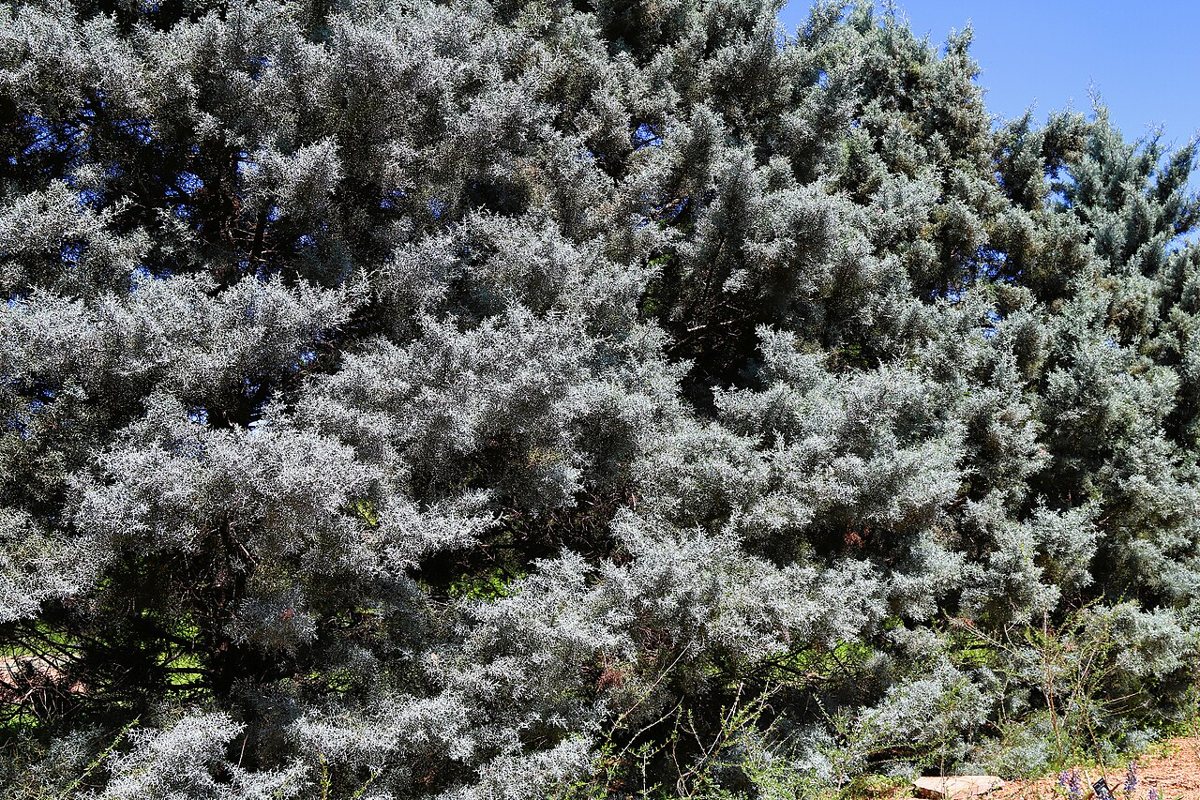
The Lady Bird Johnson Wildflower Center, out on the south side, functions as both a serious botanical research institution and a genuinely gorgeous place to walk, dedicated to native Texas plants and landscaping. Spring brings the bluebonnets and other wildflowers that give the place its reputation, but there's something to see nearly year-round if you're paying attention to what's blooming. Trails wind through demonstration gardens and out into a bit of native prairie and woodland, and there's an observation tower with a view over the whole property. This is the park to recommend to anyone who claims Austin's greenery is only about swimming holes and shade, it's a working argument for why native landscaping matters, dressed up as a beautiful place to spend a morning.

The Umlauf Sculpture Garden, right next to Zilker, pairs bronze and stone sculpture by Charles Umlauf with a shaded, hilly garden setting that most visitors to the neighboring pool never bother to find. It's small enough to see in under an hour, quiet enough that you'll often have whole sections to yourself, and it makes for a good cooldown stop after a swim at Barton Springs since it's a five-minute walk from the pool gates. Locals mostly treat it as the park they forgot was there, which is unfair to a genuinely peaceful spot.
Commons Ford Ranch Metropolitan Park, out west along Lake Austin, trades the density of the central parks for open meadow, lakefront access, and a hiking trail that loops through what used to be ranchland. It's popular for sunset watching over the lake and for a kind of stillness that's gotten harder to find closer in. Bring a picnic and time it for the last hour before dark, when the meadow turns amber and the boat traffic on the lake starts to thin.
Mueller, the redeveloped airport site turned neighborhood on the east side, built its identity around a network of parks and a well-loved farmers market that draws people from across the city on weekend mornings. Lake Park at its center has a splash pad and open lawn that fills with young families, and the surrounding trail system connects several smaller green spaces that feel distinctly planned rather than wild, which is its own kind of appeal if you want a park with sidewalks, shade structures, and a coffee stand within reach. It's a useful counterpoint to the greenbelt's chaos: proof that Austin can still build good public space on purpose, not just inherit it from the creek beds.

Getting There, Timing It Right, and What's Actually Free
Most of these parks are usually free to enter, though Barton Springs Pool and a few others often charge a modest swim fee that can shift by season, so check current hours and pricing before you go rather than assuming. Parking is the real obstacle at the popular spots, Zilker and Barton Springs fill their lots by mid-morning on summer weekends, and the greenbelt trailheads along Barton Hills and Loop 360 do the same. Arriving before nine or after five solves most of this. Austin's public bus system and bike-share network both reach Zilker and the downtown-adjacent parks reasonably well, which spares you the parking problem entirely if you're staying anywhere near the core. Summer heat is not a minor inconvenience here; plan swimming-hole trips and long hikes for early morning, and treat midday as a time to be indoors or in water, not on an exposed trail. The greenbelt in particular depends on rainfall for its swimming holes, so a quick check of recent weather saves a wasted trip. more ways to spend a day outdoors can round out a visit built around these parks, and if you're new to the city's geography, getting oriented by neighborhood helps make sense of which parks cluster near which parts of town.
Why These Best Parks in Austin Matter More Than the Skyline
Every year the cranes multiply downtown and another few blocks of East Austin turn over into something with a rooftop bar, and every year the arguments about what this city is losing get louder and more tired. But the parks haven't changed their terms. Barton Springs still runs cold. The greenbelt still floods and dries on its own schedule, indifferent to whatever's happening with rent. A peacock at Mayfield Park does not care about the tech money moving in off Lake Austin Boulevard. There's an old, slightly worn-out irony in telling people to keep Austin weird while the skyline gets glassier every quarter, but the parks are where that impulse still holds some ground, unmonetized, open to whoever shows up early enough to find parking. Spend a season moving through these places in order, cold water first, then the big lawns, then the canyon trails, then the quiet gardens, and you'll understand the city better than any amount of time on Rainey Street or the drag ever taught you. The best parks in Austin aren't a checklist. They're the terms the city was built on, still holding, for now.