Best Italian Restaurants in Austin: A Local's Guide
Austin's Italian dining scene rewards the curious eater who knows what to look for: how locals sort the real thing from the red-sauce imitations.
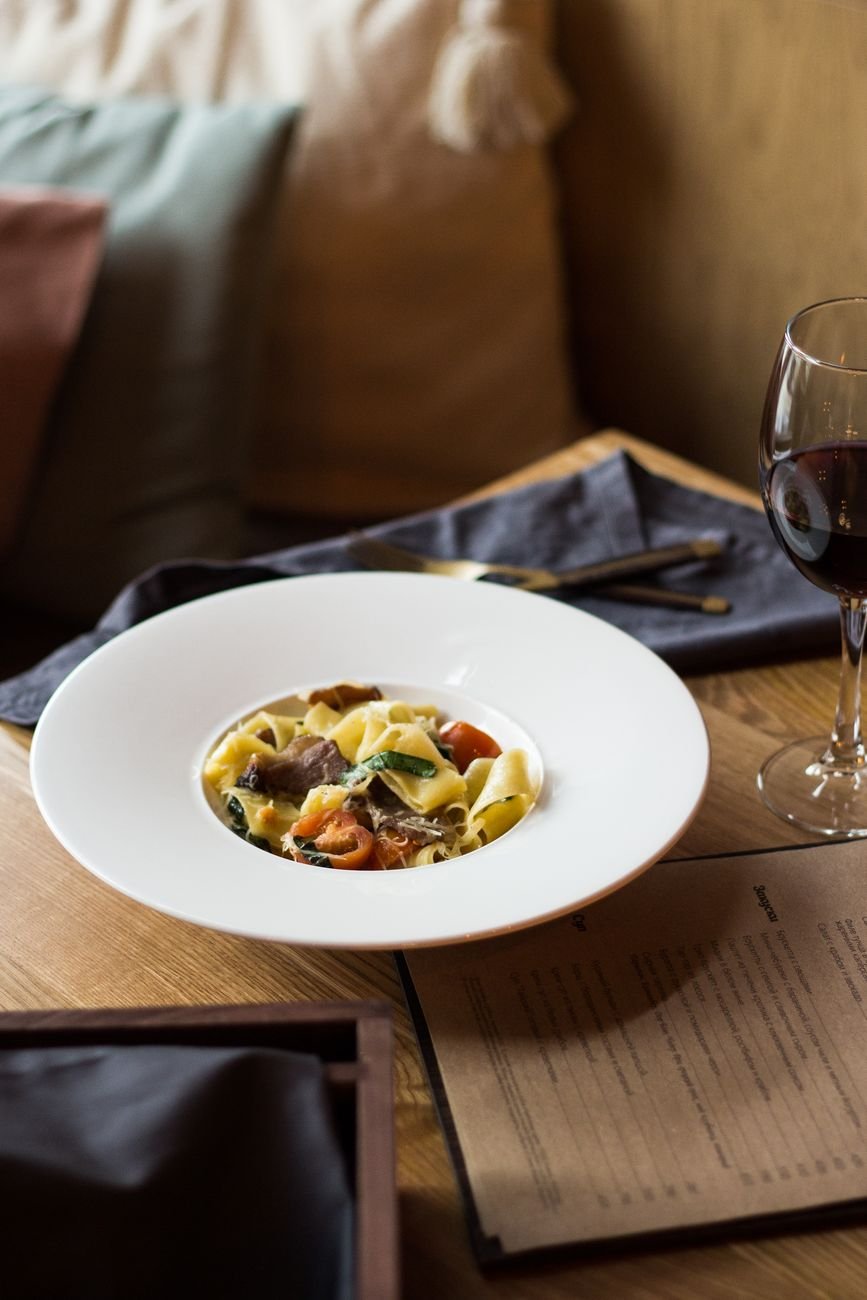
Austin has earned its reputation on brisket and breakfast tacos, but the city's Italian cooking has quietly grown into something worth paying attention to. If you know where to look and what to ask, you can eat very well. If you don't, you'll end up with a plate of pasta that tastes like it came out of a corporate commissary somewhere off the highway.
Why Finding the Best Italian Restaurants in Austin Takes a Little Work
The challenge isn't that great Italian food doesn't exist here. It's that the category is wide. A wood-fired Neapolitan pizza spot, a Roman-style trattoria, and a Sunday-gravy red-sauce place are all technically Italian, but they're doing completely different things. Knowing which style you want before you walk in makes the whole experience sharper.
Austin's food culture also skews toward openness and experimentation, which means Italian restaurants here sometimes drift toward fusion or trend-chasing. That's not always bad, but if you're after something rooted in technique, it helps to do a little homework first.
Neighborhoods Worth Exploring
South Congress and South Lamar have a strong concentration of independently owned restaurants, and Italian spots in that corridor tend to care about their sourcing. The foot traffic on South Congress rewards places that hold a standard. Regulars come back, and mediocre food gets found out fast.
East Austin has seen more Italian openings in the past few years than any other part of the city. The neighborhood's restaurant density and younger crowd have attracted chefs who are doing more regional Italian cooking, like Sicilian, Ligurian, and Emilian, rather than defaulting to a generic pan-Italian menu. The tradeoff is that East Austin spots can get loud, and some are better at atmosphere than at actual cooking.
Downtown has a handful of Italian restaurants anchored to hotels or the convention trade. Some of them are genuinely good; others are coasting on location. Around the Domain in North Austin, the options lean more corporate, though there are exceptions worth seeking out if you're already in that part of the city.
What Separates Good Italian Cooking from the Rest
Pasta is the fastest tell. A restaurant that makes its pasta in-house will usually say so, and you can often see it on the menu with language like house-made or specific regional shapes such as pappardelle, casarecce, or tonnarelli. If a menu just says pasta without any elaboration, that's useful information too.
Sauce ratios matter more than most people realize. Good pasta should be dressed, not drowned. A properly finished cacio e pepe or a ragu has enough sauce to coat every strand without pooling at the bottom of the bowl. If the kitchen sends out a lake of liquid with some noodles floating in it, that's a technique problem.
Bread is another signal. A restaurant that bakes its own or sources from a serious local bakery is usually paying attention in other ways too. The same goes for olive oil. If the oil on the table tastes flat, that's a small sign the kitchen may not be prioritizing quality ingredients.
For pizza, look at how the menu describes the dough process. Longer fermentation, often 48 to 72 hours at serious pizza spots, produces better flavor and a more digestible crust. A place proud of its dough will tell you about it.
How to Read a Menu Like a Local
Shorter menus are generally a good sign in Italian cooking. A kitchen trying to make thirty different dishes well usually can't. The best spots often rotate their offerings based on what's seasonal or what the cooks are excited about that week.
Watch for regional specificity. A menu that says Bolognese without any context is doing something different from one that names the cut of meat and the length of the braise. That kind of detail suggests the cooks actually know the dish's origin and are making choices about how to execute it.
If there's a specials section that changes frequently, that's almost always worth ordering from. It's where a kitchen with real skill tends to take risks and show off.
Practical Tips for Eating Italian in Austin
Weeknight reservations are easier to get and often produce a calmer, better experience than Saturday night. A kitchen under Friday dinner rush pressure is going to cook differently than the same kitchen on a Tuesday.
Ask your server which pasta or which protein the kitchen is particularly good at. A server who can answer that question with confidence, without just naming the most expensive thing, is working somewhere that values knowledge over upselling.
Local food media coverage and neighborhood restaurant groups on social platforms are more reliable than national rating apps for tracking Austin's Italian openings. The scene moves fast, and a place that opened eighteen months ago with great buzz may have changed chefs since then. Recency matters.
The pizza scene in Austin overlaps a lot with the Italian dining world, and some of the best pasta in the city comes out of the same kitchens making serious Neapolitan pies. Don't overlook a place just because it leads with pizza.
The Bottom Line
Austin rewards people who eat with curiosity and a little patience. The Italian restaurants doing the most interesting work here are usually the ones that aren't trying to be all things to everyone. Find the places with a clear point of view, a short menu, and staff who can talk about the food, and you'll eat well. The city's broader food and drink culture keeps pushing these kitchens to be better, and the results show up in the bowl.