Things to Do in East Austin: The Local Guide
East Austin is still where the city eats its best tacos, hears its most honest music and argues most openly about what Austin owes its own history.
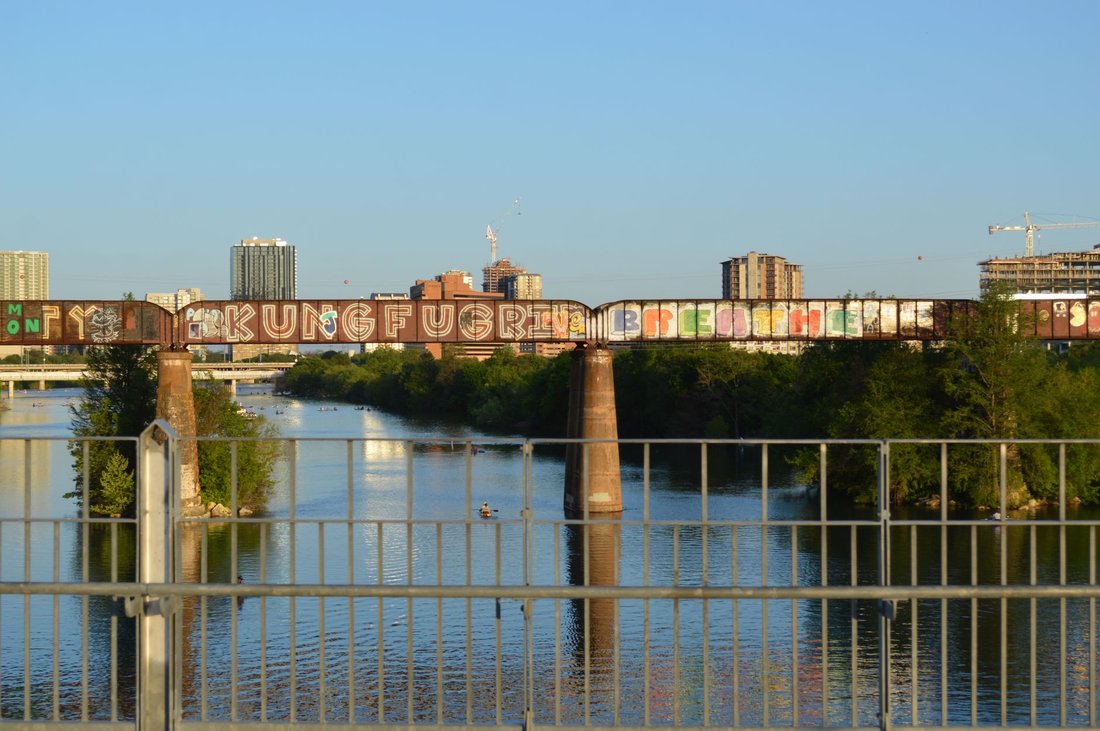
On a Saturday morning, East 11th Street smells like post oak smoke before the sun has cleared the rooflines. Folding chairs line the sidewalk. Somebody's kid is asleep in a stroller and somebody else is passing around a thermos, while a man in a ball cap explains to a visitor from out of state that yes, the wait is the point. A few blocks away, a woman in her church clothes and a guy in paint-stained work pants are walking toward the same corner taquería, because breakfast tacos do not respect a dress code. That is the neighborhood at its best, and it is why things to do in East Austin keep multiplying even as the rents keep climbing.
This guide is written by someone who has watched the east side change from a bungalow porch for a long time, so it carries opinions. It also carries a few warnings about parking and heat, because the city does not run on charm alone.
Things to Do in East Austin: A Map in Your Head
East Austin has no gate and no official border. Roughly, it is everything east of the interstate and north of the lake, stretching out toward Mueller and the old airport land. Locals argue about the edges, which is how you know it is a real place and not a brand. For most of the twentieth century a city plan steered Black and Mexican American residents east of the highway, and what grew there was a dense, proud neighborhood of churches, corner stores, dance halls and family restaurants. Much of what you will enjoy below sits on top of that history, so it is worth keeping in mind as you eat and wander.
The sections below are organized the way people actually spend a day here: food first, then water and green space, then music, then history and art, then coffee, then the night. A short section on sub-areas and a practical section on traffic follow, and the guide closes with a point of view.
Eat First: Tacos, Smoke and the Rest
The Daily Breakfast Taco
The breakfast taco is not a trend here. It is a daily ritual, closer to a handshake than a meal. The basic build is a warm corn tortilla holding scrambled egg and diced potato, then melted cheese and a spoonful of salsa, and the best versions come wrapped in foil from a counter where nobody is in a hurry to explain themselves. East Austin has more of these counters than any other part of town, from tiny trailers to family-run kitchens that have been feeding the same blocks for decades. Order two or three, because the first one is always gone before you find a seat. Ask which salsa runs hot and believe the answer. If you want a deeper guide to the form, start with our rundown of a proper breakfast taco, then spend a few mornings testing it against your own taste. Go early, since the good places sell through, and bring small bills in case the line is moving faster than the card reader.
Franklin and the Barbecue Line
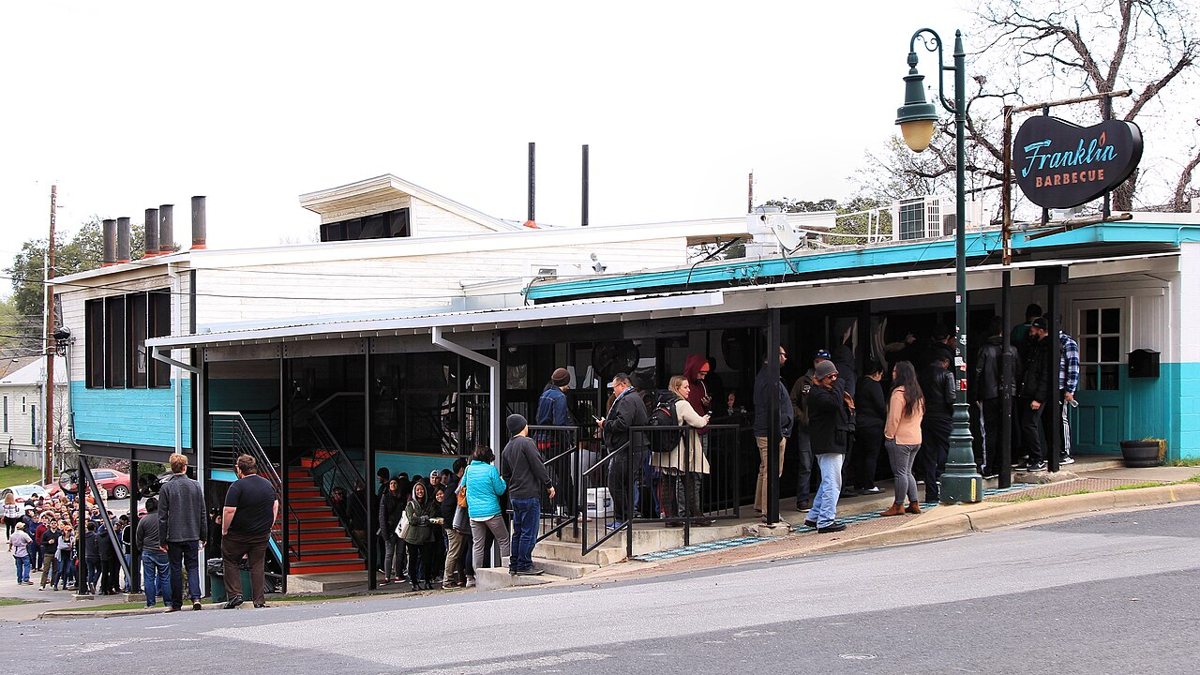
Central Texas barbecue is brisket smoked over post oak for hours, then sliced thick and served on butcher paper with white bread and pickles. Sauce is optional and, to purists, slightly insulting. Franklin Barbecue on East 11th Street is the best-known expression of the style in town, and it is famous as much for the line as for the meat. Treat the wait as a morning event rather than an obstacle. Bring a chair and some water, plus someone worth talking to, and expect the people around you to trade barbecue theories with total confidence. When you reach the counter, order by weight and ask whether the fatty end or the lean end is better that day. Eat the brisket plain first, before anything else touches it.
Tex-Mex, Panaderías and the Rest of the Table
Beyond tacos, the east side is where Tex-Mex still feels like home cooking and not a theme. Look for the places where queso arrives hot and fajitas come sizzling. The migas are on the breakfast menu all week. Plenty of neighborhood kitchens serve a plate lunch that tastes the way somebody's grandmother would have made it, and a few of them have the faded signs to prove their age. Then there are the panaderías, where trays of pan dulce sit under glass, and the concha with its sugary shell is the right first pick. The sensible plan is to have a savory meal, then walk it off before buying a bag of sweet bread for later. Do not skip the horchata if it is on the board.
Water and Green: Parks and Outdoors in East Austin
Lady Bird Lake and the Hike-and-Bike Trail
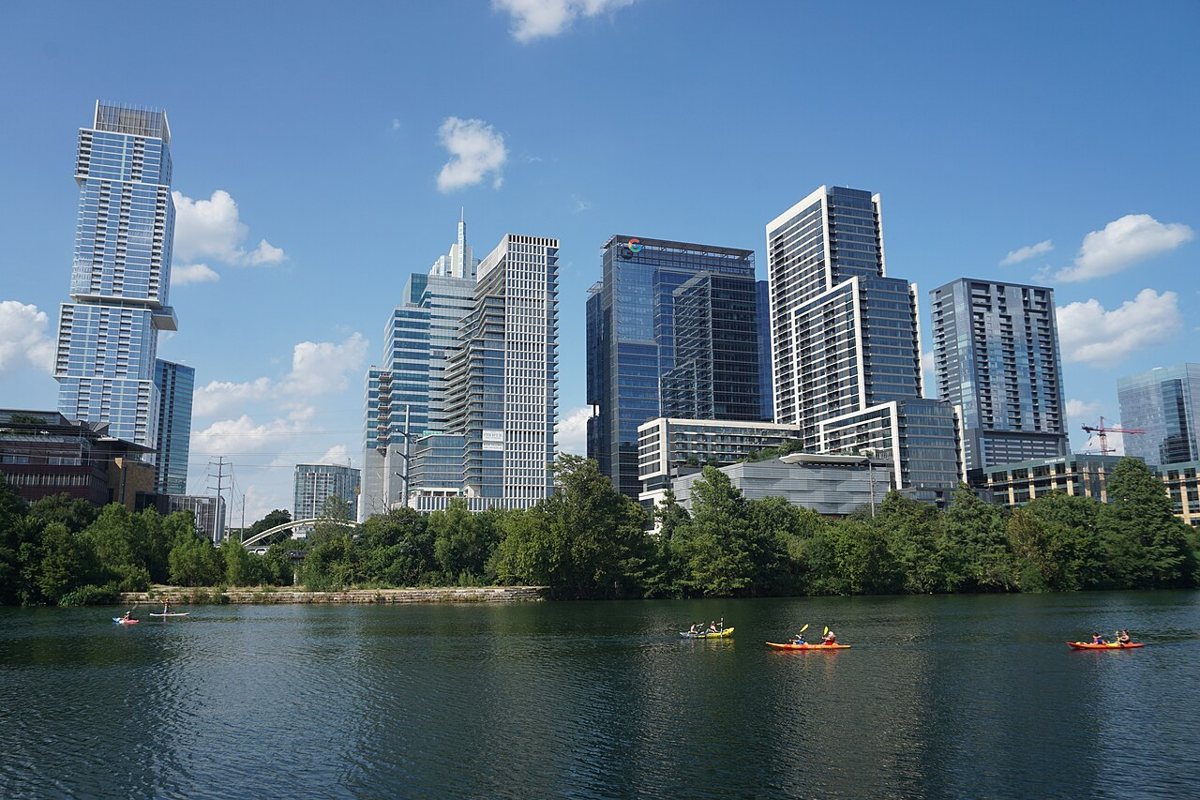
The trail around Lady Bird Lake, formally the Ann and Roy Butler Hike-and-Bike Trail, loops roughly ten miles, and its eastern stretch is a quieter and more honest part of it. You will see runners, dog walkers, people on cruiser bikes and the occasional paddler gliding past under the bridges. The downtown skyline looks different from the east end, farther away and a little more forgiving. Walk a section rather than trying to conquer the whole loop, and carry water, since shade is patchy and the summer sun is not a suggestion. To get onto the water, rental outfits operate along the lake, and a calm morning paddle is the best argument for living here.
Festival Beach and Edward Rendon Sr. Park
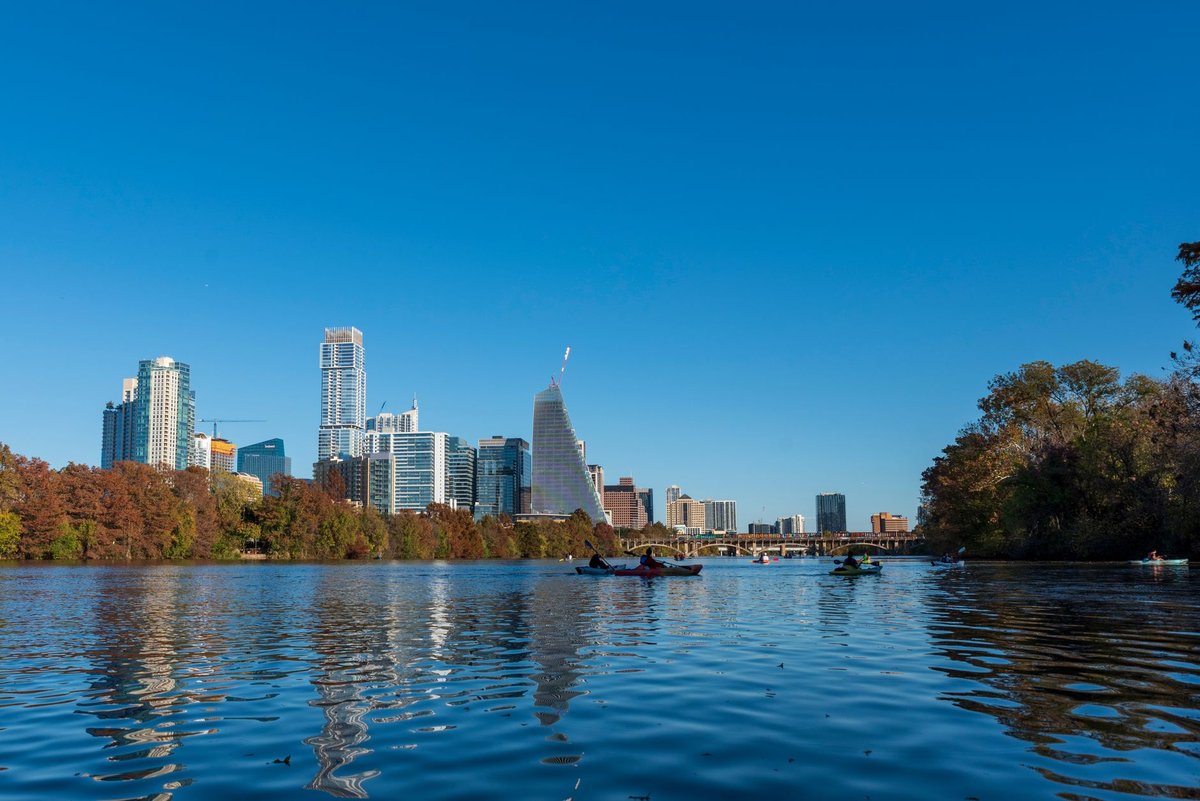
Edward Rendon Sr. Park at Festival Beach sits on the lake's north shore east of the interstate, and it feels like the neighborhood's front yard. There are wide lawns, mature trees, a view back toward downtown and a community food forest tucked into the grounds. It is a good place for a picnic and a slow loop on the trail, or for an hour of doing nothing in particular. Families gather and friends set up folding chairs, and the place absorbs a crowd without losing its manners. Bring a blanket and your own shade, because the lawns are generous but the heat can be relentless in the long season. This is also the part of the trail where the east side's character is easiest to see, since you share the grass with neighbors, not with a tour group.


Mueller Lake Park
Mueller is the east side's newest chapter, built on the former municipal airport after it closed in the late 1990s. The old control tower still rises over the neighborhood as a landmark, and the streets around it are a textbook of new urbanist planning, with narrow lanes, porches, pocket parks and a town center. Mueller Lake Park is the heart of it, with a crushed-granite loop around the water, a playground, wide lawns and a sky that feels bigger than the rest of the city's. A children's museum called the Thinkery sits nearby, which makes the area a reliable plan for anyone traveling with kids. Honest travelers will note that Mueller is polished to a degree that the rest of the east side is not, and some locals find that more eerie than charming. Take the loop at an easy pace, and then decide how you feel about it.

The Mueller Farmers Market
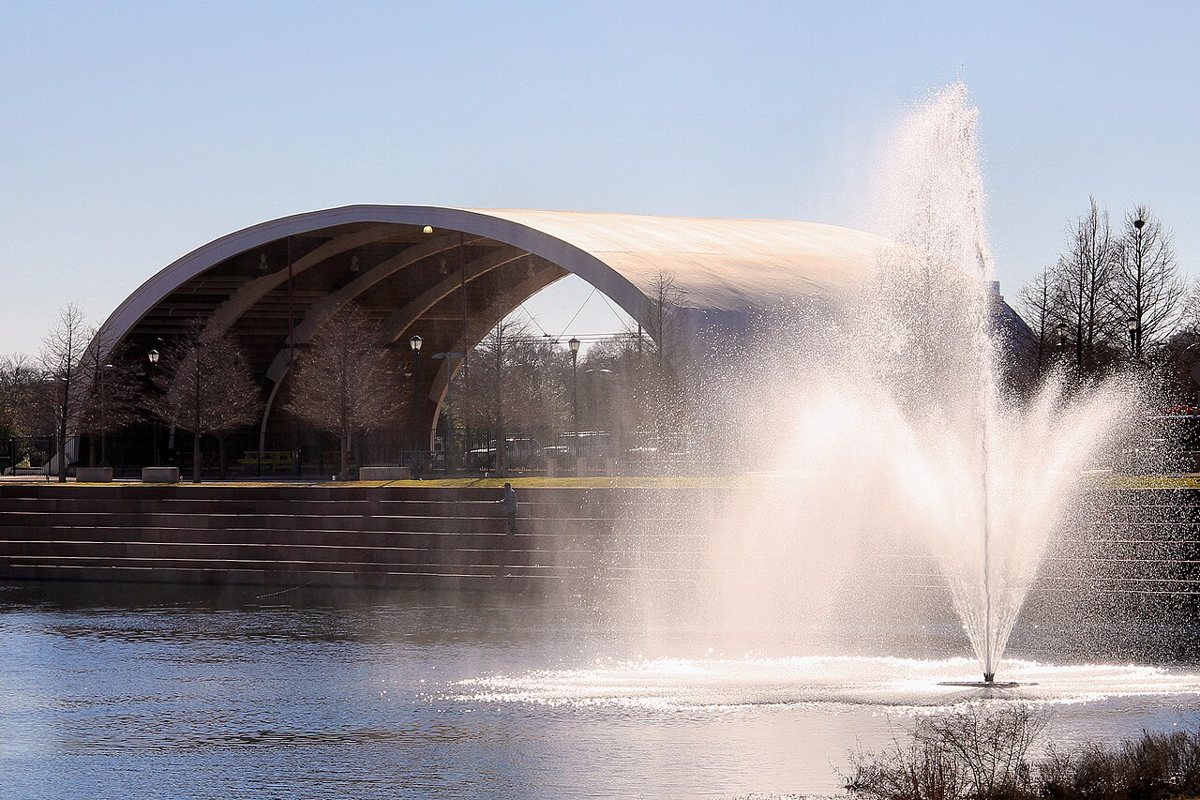
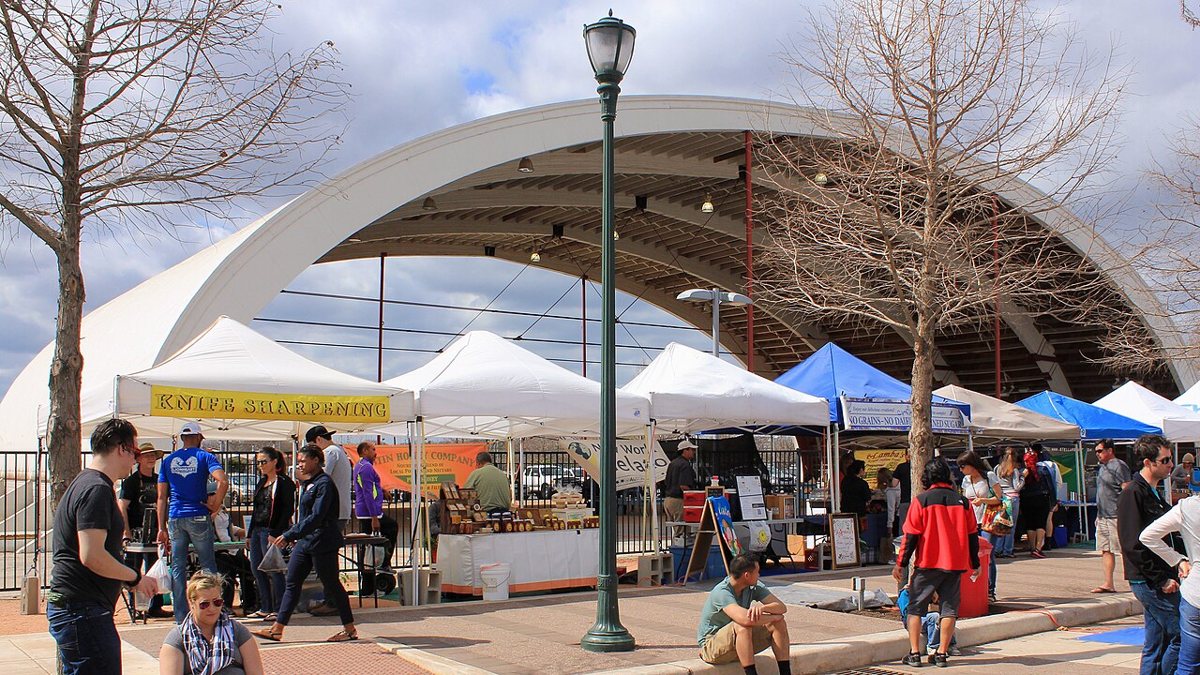
The weekly farmers market at Mueller is a good excuse to pair the park with breakfast. Growers and bakers set up in the town center alongside prepared-food vendors, and the crowd mixes young families and retirees with people carrying reusable bags and strong opinions about tomatoes. Snack as you go, because the market is as much a social event as a shopping trip. Buy what is in season and ask the grower how to cook it. Leave the car in one spot, then stroll to the lake once you have finished, rather than shuffling it around a neighborhood with more bike lanes than empty spaces.

Live Music and the Venues That Keep the Lights On
Red River and the Eastside Rooms
A word of correction for anyone arriving with the wrong map: the live music scene is not on 6th Street. The downtown party strip has its place, but the working musicians and the people who follow them have long preferred Red River Street, which sits just west of the interstate, and the smaller rooms scattered across the east side. Those rooms are the real draw: converted warehouses and dive bars with a stage the size of a doorway, plus backyard patios where a band plays under string lights. The sound jumps between honky-tonk and punk, Tejano and experimental noise, and the cover is usually modest. Check the calendar the same day and show up for the opener, then stay long enough to learn the name of a band you did not know that morning. If you want a place to start, read our guide to a night of live music before choosing a venue.
The Echoes of East 11th
East 11th and 12th Streets were once the commercial and entertainment spine of Black Austin, lined with clubs, cafes, barbershops and theaters. Blues and rhythm and blues acts played on a circuit that kept touring musicians fed and housed when segregation closed other doors. The historic Victory Grill building on East 11th is a reminder of that era, and walking the blocks around it is a useful piece of context for any night out. Much of the old strip was lost to urban renewal and later to development, and the effort to honor it continues. With time for only one tangible gesture of respect, spend your evening money on a local venue that still books local artists.
Art, History and the Long View
The Texas State Cemetery
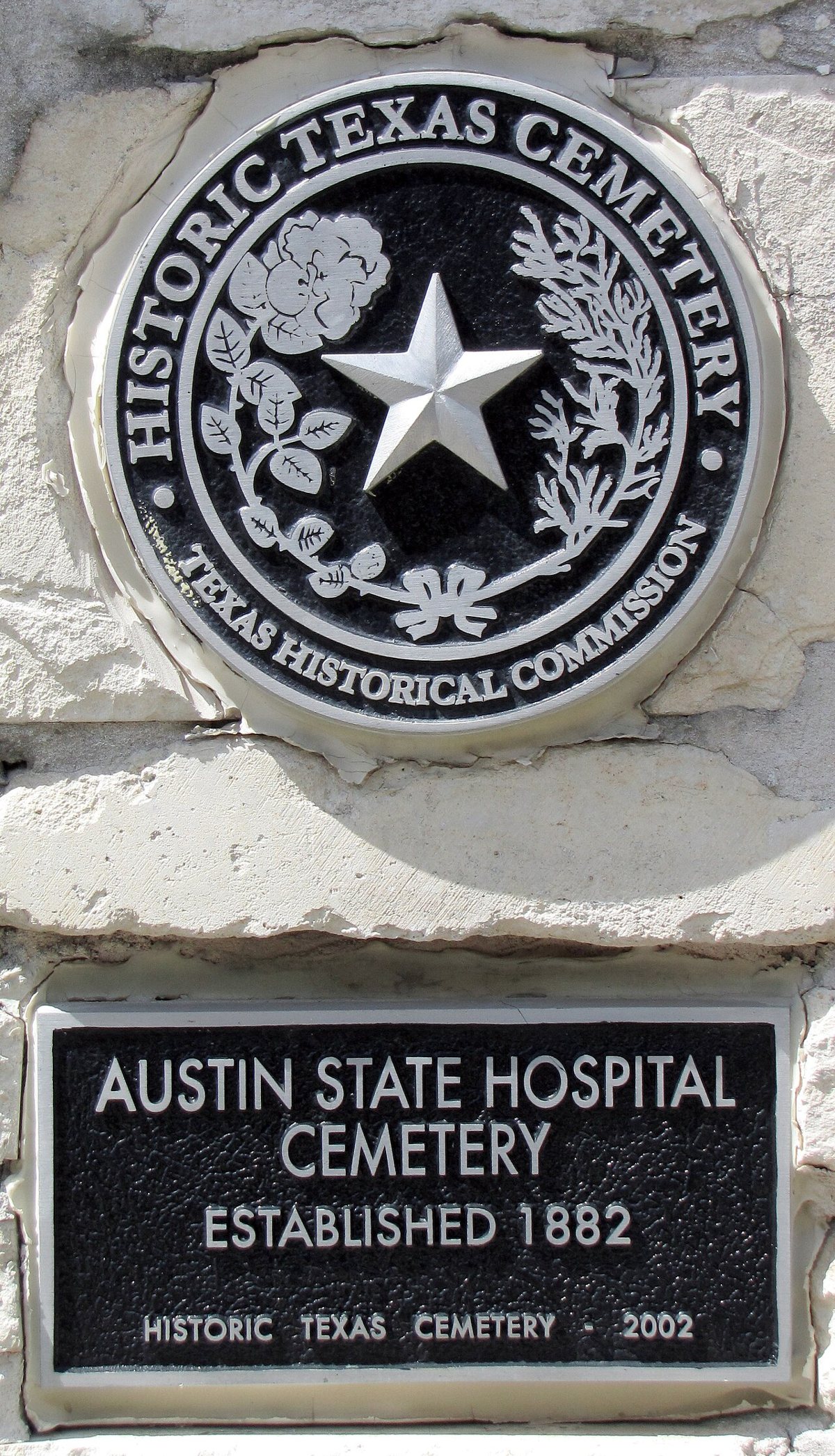
The Texas State Cemetery lies just east of the interstate, a short distance from the Capitol, and it is a quiet, surprising place in the middle of the city. Live oaks shade rows of simple markers, and the grounds hold the graves of figures such as Stephen F. Austin, the namesake of the city, and Barbara Jordan, the Houston congresswoman and orator. Veterans and governors lie beside ordinary Texans on the hillside. The cemetery also holds Confederate burials, and the grounds do not shy away from that complicated history, which is part of why a slow walk is worthwhile. Go on a clear morning with some curiosity, and read the markers rather than the guidebook. The visitor center provides context.

The George Washington Carver Museum
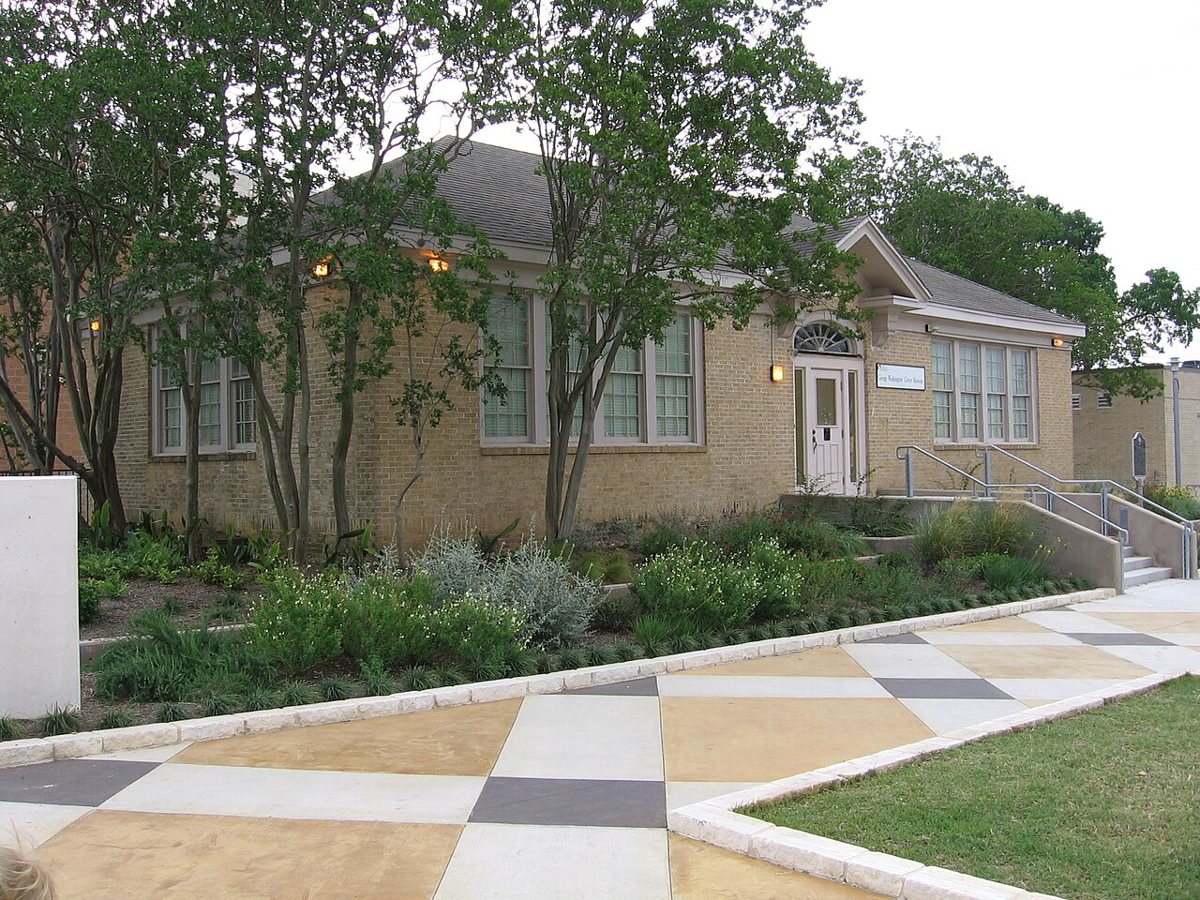
The George Washington Carver Museum and Cultural Center, off Angelina Street near East 12th, grew out of a library that served Black Austinites during the segregation era. Today it is a museum and genealogy resource that doubles as a community hub, and its exhibits tell the story of the neighborhood in the voices of the people who built it. This is the best single stop for understanding why the east side looks and feels the way it does. Give yourself an hour and ask about current programs; treat it as the foundation for the rest of your visit. It is the sort of place that changes how you read the signs on the walls outside.

Murals and Open Studios
The east side has more murals per block than almost anywhere else in the city, painted on the sides of taquerías, auto shops, churches and warehouses. Many of them celebrate Mexican American heritage, Black history, local musicians and the neighborhood's own people. The best way to see them is on foot, with a camera and no schedule, drifting down streets like East Cesar Chavez and the blocks around Chicon. Each fall, an annual open-studio tour lets visitors step into working artists' spaces scattered through the east side, which is a rare chance to meet the people behind the walls. Murals fade and get painted over, so treat any list as a rough guide rather than a map.
Coffee and the Daytime Hours
The Neighborhood Coffee Shop
The east side's coffee shops run from old corner counters to sleek roasters with a line of laptops, and most have a patio worth sitting on. The ritual is simple: order something cold in warm months and let the morning pass at a table in the shade. Local roasters are a point of pride here, and a decent shop will tell you where the beans came from without being asked. Pair a cup with a pastry from a neighborhood bakery, and you have a morning plan that costs little and rewards patience. Weekdays are quieter than weekends, which turn into a parade of strollers and dogs.
Boggy Creek Farm and the Slow Morning
Boggy Creek Farm is a working urban farm off Lyons Road, a few minutes from downtown yet surrounded by neighborhood houses and old shade trees. It has been growing vegetables and herbs, plus flowers, for decades, and its farm stand is a fine place to remember that Austin once had fields. Opening days are limited, so check before you go. Walk the rows and buy whatever looks best, then ask what to do with it. Chickens roam. The point is not a spectacle but a slower pace, an hour that feels removed from the traffic roaring a mile away.
Drinking at Night, East Austin Style
Taprooms, Patios and the Frozen Margarita
When the sun goes down, the east side trades tacos and coffee for taprooms and neighborhood bars. A cluster of local breweries sits on the east side, many with big outdoor spaces and picnic tables, and food trucks parked nearby. Order a flight and ask the bartender what is fresh, then let the group argue about it. For something more traditional, a cold Shiner Bock at an old dive remains a sound choice, and a frozen margarita on a shady patio is a fine answer to August. Some bars are tiny and dark and others are open and loud, so choose by mood. Bring ID and a plan for getting home, since traffic and parking can turn a simple night into a puzzle.
Rainey Street and the Downtown Edge
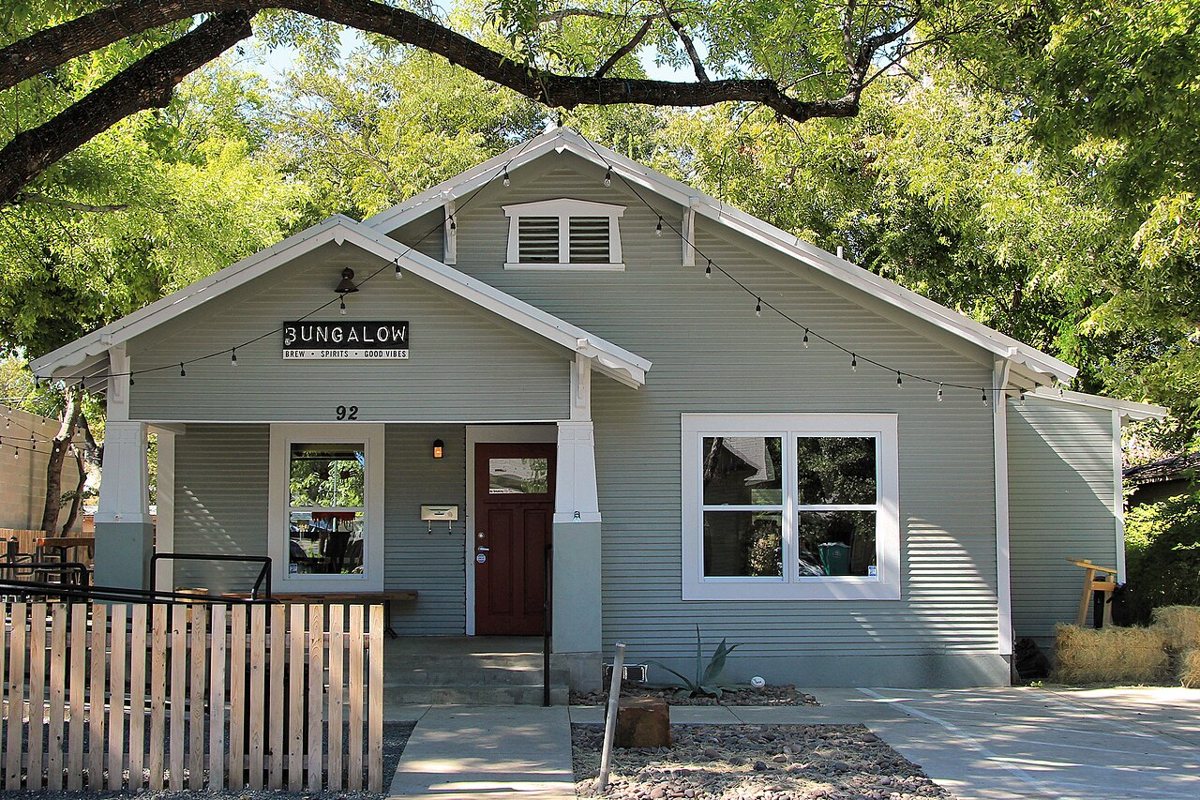
Rainey Street sits at the western edge of the east side, hard against the interstate and the lake. It began as a block of small bungalows and became a famous row of bars in converted houses, with porches and yards strung with lights. It is also a lesson in change, since high-rise towers now crowd the old cottages and the neighborhood's original residents are long gone. Visit if you want to see the transformation firsthand, and expect crowds on weekends. The patios are pleasant and the people-watching is excellent, but know that you are looking at a version of Austin that has been remade.

By Sub-Area: East Cesar Chavez, East 6th, Holly and the Mueller Edge
East Cesar Chavez
East Cesar Chavez is the neighborhood that most visitors mean when they say the east side, a grid of bungalows and murals with corner businesses scattered between them, just across the interstate from downtown. Cesar Chavez Street itself runs along the lake, and the streets to the north hold a dense run of taquerías, bars, galleries and houses that still look lived in. It is the most walkable part of the east side and the best place to start. Park once and wander for an afternoon, with stops for tacos and coffee and a mural or two. It is also where the pressure of change is most visible, in new construction wedged between old homes.

East 6th
East 6th Street, east of the interstate, shares a name with the tourist strip downtown and almost nothing else. Here the street is lined with restaurants and bars, plus galleries in older buildings, with a mix of neighborhood regulars and newcomers. It feels like a street still deciding what it wants to be. Go in the evening and pick a patio, and expect to stay longer than planned. Do not expect the big-venue party scene, which lives elsewhere.
Holly
Holly is the quiet southern stretch near the lake, a neighborhood of bungalows and small yards, and of long-term residents. The old Holly Street power plant is gone, and the land has been turned over to parks and new uses, with Fiesta Gardens nearby as a place for a lakeside stroll. It rewards people who like to see a neighborhood at ordinary speed. Stroll the streets and notice the porches, then let the trail take you to the water.
The Mueller Edge
Where the old east side meets Mueller, along Manor Road and the streets feeding the airport redevelopment, the pattern shifts from bungalows to townhomes and mid-rise apartments. It is a useful place to see how the newer east side lives, with restaurants and shops and parks close at hand. You can easily spend a day here without touching the older neighborhoods, and that is both a convenience and a problem. Make a point of heading back into the older blocks before you leave.
The Part Where We Talk About Money
Any honest guide to the east side has to address who is being priced out. For decades the neighborhood absorbed people the rest of the city did not want, then became fashionable and, soon after, expensive. Longtime residents, many of them Black and Mexican American families, have watched property taxes rise and rents jump, while familiar businesses give way to new ones with higher prices and fewer regulars. The weirdness the city advertises is still here in pockets, but it is increasingly a memory and a marketing line. Small acts carry real weight: spend your money at long-standing neighborhood businesses, and visit the museums and cemeteries that tell the full story. Treat residents as hosts rather than scenery. None of that will reverse the change, but it does keep a few places alive.
Getting Around, Traffic and Timing
Traffic in Austin is a catastrophe, and the east side is not exempt. The interstate and the main east-west streets back up at rush hour, and a short trip can eat half an hour. Plan your day in clusters instead of crossing town repeatedly. Park once in East Cesar Chavez or Mueller and walk, or bike on the lake trail, which is often faster than a car. Rideshare helps at night, though pickup spots can be chaotic near popular bars. The seasons matter too: the long hot stretch makes midday outdoor plans punishing, so shift walks to morning or evening and save museums and indoor stops for the afternoon. Spring and fall are the best seasons for the lake and parks. Lines for barbecue and tacos are shorter on weekdays, and special events can clog the whole area, so check before you commit.
Where We Land
The east side is the part of Austin that most resembles the city people say they loved. It still has the taquerías, the porches, the tiny stages and the neighbors who know each other, and it also has the cranes and condos, along with the price tags that make longtime residents wince. The right way to visit is not to pretend the change is not happening. Eat the tacos. Stand in the barbecue line. Take the lake trail. Read the markers at the cemetery and pay attention at the Carver Museum. Then spend your money where the neighborhood has been spending its own for generations. The list of things to do in East Austin is long, and the best of it still belongs to the people who built it.