Things to Do in South Congress Worth Exploring
South of the river, the strip everybody photographs still runs on a working music club, a mural nobody planned to become famous, and a bridge full of bats. Here is what actually holds up.
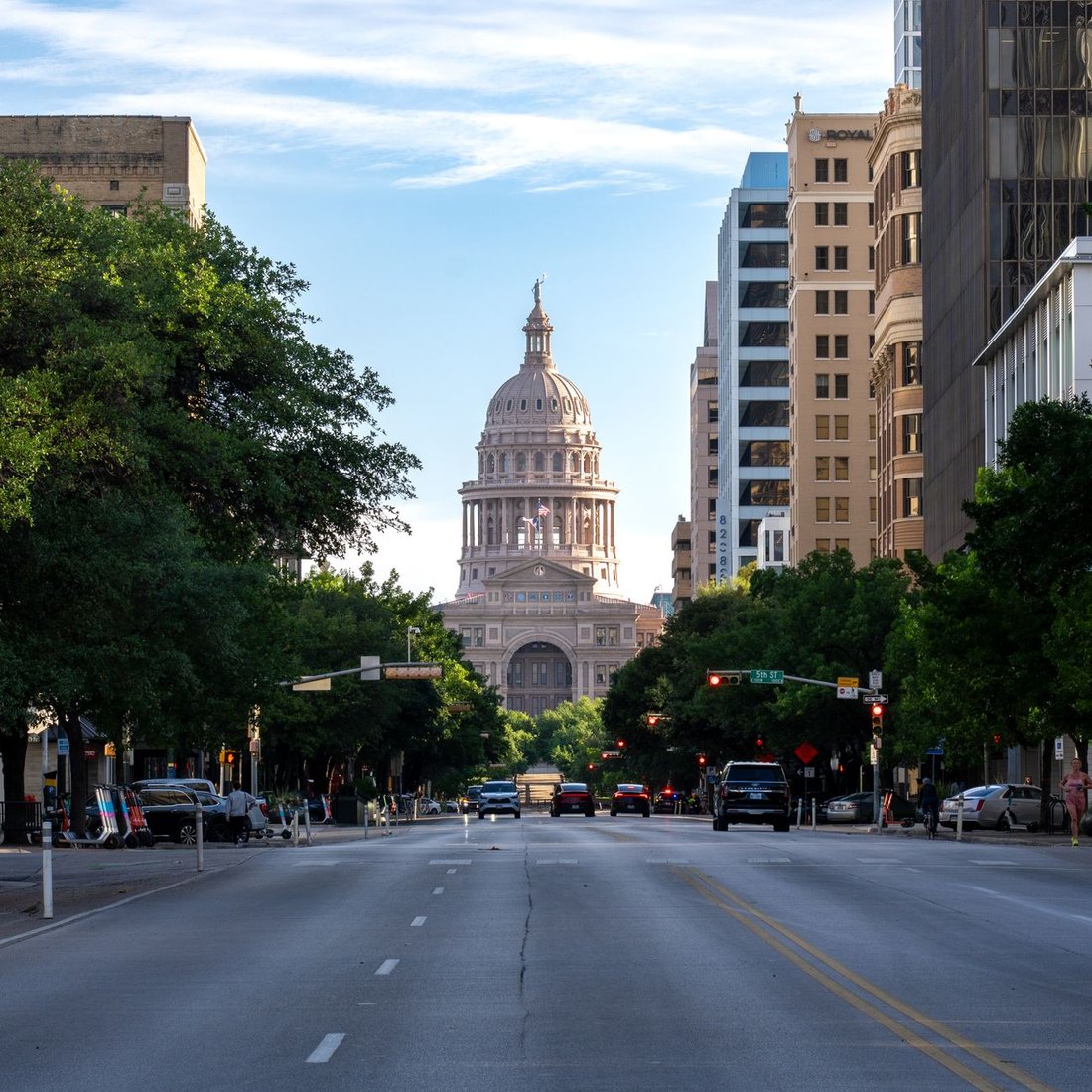
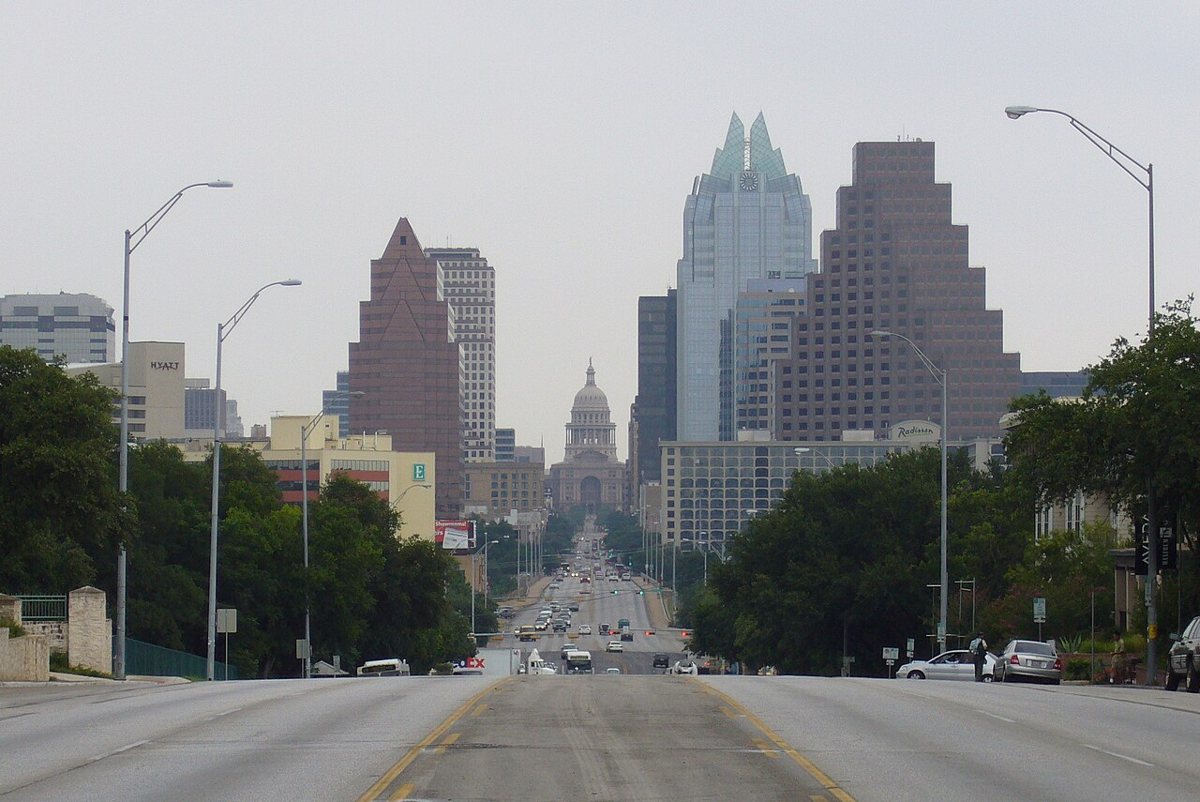
Stand on the South Congress bridge around six some summer evening and the whole reason people love this street collapses into a single frame: the pink granite dome of the Texas Capitol lit up dead ahead, framed by the long straight shot of Congress Avenue, smoke drifting off a food truck grill somewhere behind you, a vintage store window throwing back the last orange light of the day. That view sells postcards and earns every one of them. Anyone compiling a list of things to do in South Congress should start here, before spending a dollar or ordering a single taco, because the avenue itself is the attraction the rest of the strip gets built around. Everything else on this list, the boots, the mural, the bats, the club, is arranged along that same half mile like exhibits off a single hallway.
South Congress runs south from the river toward the low bluffs of Bouldin Creek, but the stretch locals mean when they say SoCo is the half mile or so of boot stores, vintage racks, patio bars, and taco trailers between the bridge and Oltorf. It gets crowded on weekends, it gets hot in July, and it is still worth the walk. This is a real accounting of the strip, block by block and hour by hour, without the padding.
This is not East Austin, where newer music venues and warehouse-turned-gallery spaces have taken root over the last two decades, and it is not Rainey Street, where highrises and a downtown bar crawl have swallowed what used to be a quiet residential block. SoCo trades on an older version of the city, one still built around a two-lane commercial strip rather than towers, and that difference is most of its appeal.
Things to Do in South Congress Start With the View
The view up Congress Avenue to the Capitol is the single most photographed sightline in Austin, and it works because the street was laid out on purpose to frame it that way. Standing near the South Congress bridge, the Capitol dome sits directly at the top of the avenue, small in the distance but unmistakable, especially at dusk when the building's lights come on before the sky goes fully dark. What to actually do: walk out to the middle of the bridge sidewalk, not the road shoulder, and look north. Traffic will be loud and constant, which is part of the deal. The insider move is timing it for the twenty minutes after sunset, when the Capitol is lit but the sky still has color, rather than midday when the view flattens out under a white Texas sun.
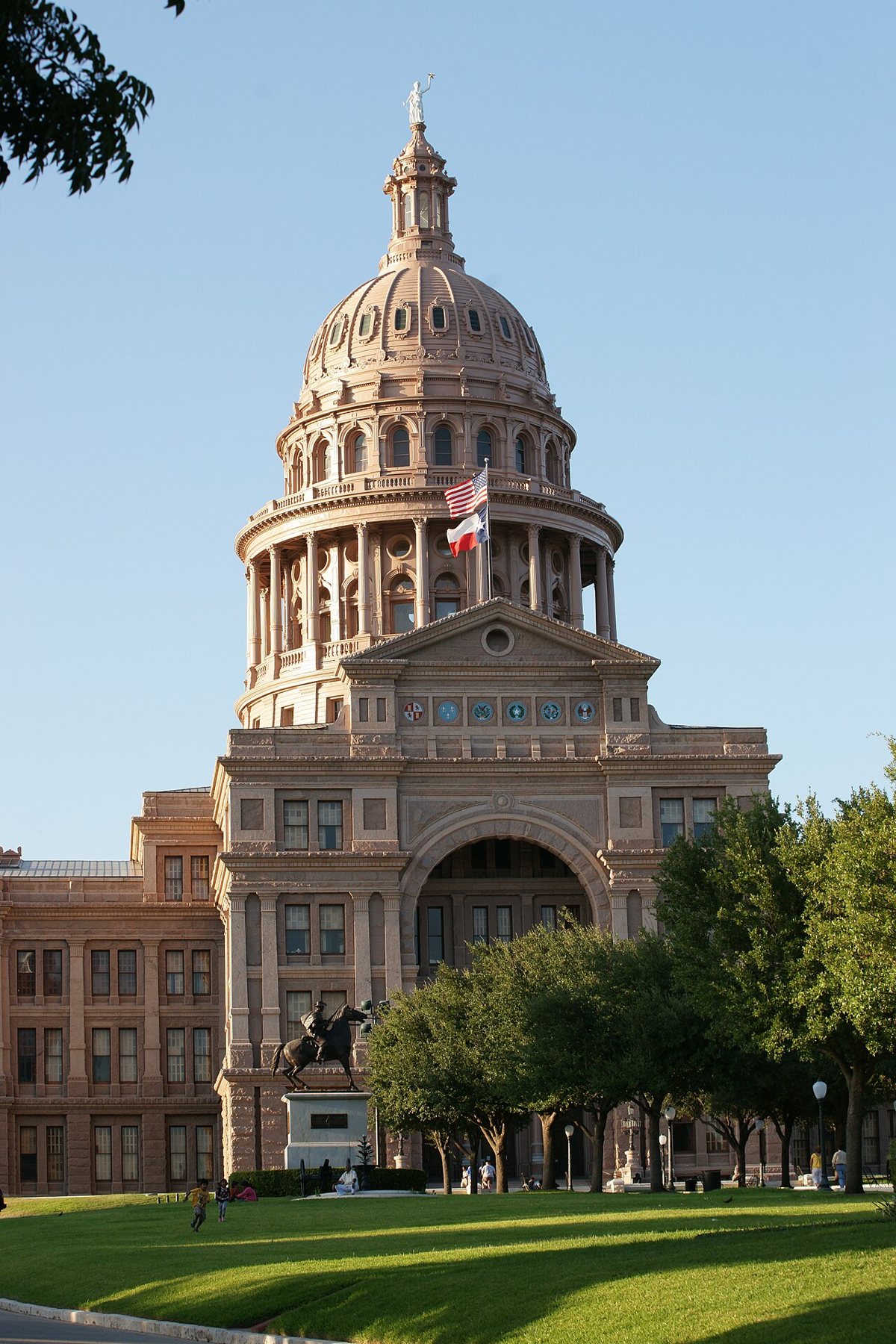

The avenue itself, the stretch of storefronts south of the bridge, is an experience more than a single stop. Painted brick facades from the 1940s and '50s house boot shops and vintage dealers, with patios tucked between them, spaced closely enough that a slow walk covers most of what the strip offers in under two hours. The sidewalks are wide and shaded in patches by old live oaks, which matters in a city that spends half the year too hot to linger outside. Where to actually walk it: start near the bridge and work south, since the density of shops and food trucks thins out the closer you get to Oltorf. Go on foot rather than trying to drive between blocks. Parking is scarce enough that moving the car twice will cost more time than walking the extra quarter mile.

The Wall on Jo's Coffee
The mural reading "I love you so much" painted on the side wall of a coffee shop near the north end of the strip has become the closest thing South Congress has to an official photo stop. Its origin has become more local lore than settled fact at this point, but the wall itself has outlasted several rounds of repainting on the building around it and shows no sign of going anywhere. There is almost always a short line for a photo in front of the red letters, so budget a few minutes of waiting rather than expecting to walk straight up. The insider tip is to shoot it in early morning light, when the wall isn't backlit and the line hasn't formed yet. It sits at the north end of the avenue, close enough to the bridge that it is usually the first or last stop on a walk.
The coffee shop the mural is painted on has its own following separate from the wall. Its patio faces the avenue directly, which makes it one of the better spots on the strip for the specific activity of watching South Congress happen: tour buses idling, bachelorette parties comparing boot purchases, a knot of tourists debating where to eat next. Order something cold, especially in summer, and take a seat facing the street rather than away from it. It is a coffee stop that doubles as a viewing platform, and treating it as one is the local move.
Vintage Shopping and Boots
The shopping on this stretch was never really about finding one specific item. It runs on slow browsing, cash-friendly booths, racks that do not sort by size, and store windows that reward stopping rather than walking past. A few stops anchor the strip, though dozens of smaller storefronts in between are worth a look on the way.
This stretch built its reputation on secondhand and strange before it built one on brunch, and the anchor of that reputation is a sprawling vintage and antique mall a few blocks south of the bridge, packed with old signage and costume jewelry, plus furniture from every decade since the 1920s filling out the back rooms. It rewards slow browsing more than any other stop on the strip, since the inventory turns over constantly and the good finds are rarely near the front. The smarter approach is giving it real time rather than a quick pass through, and checking booths toward the back of the store, where the pricing tends to be friendlier. The insider tip is to go on a weekday morning if timing allows, since weekend crowds make the narrow aisles genuinely hard to move through.
A few doors down sits a well-known western wear store, a boot shop with a wall of cowboy boots stacked floor to ceiling that has become a landmark in its own right, visited as much for the browsing as the buying. Even without intending to purchase a pair, walking the aisles is a good way to understand why boots are still serious business in a city that otherwise runs on t-shirts and cutoffs. Ask staff for a fit rather than guessing off a size chart, since boot sizing runs differently across brands and the difference matters more than with regular shoes. It sits well within walking distance of the bridge, on the same side of the street as most of the strip's other shopping.
Further along the strip, a candy shop with an old-fashioned soda fountain counter and a giant ice cream cone sign out front gives the avenue a dose of the genuinely goofy alongside the carefully arranged vintage racks. It sells the kind of retro candy that has mostly disappeared from regular grocery stores, plus fountain drinks and ice cream, and it works as an easy reset for anyone who has been dragging kids or a reluctant partner through boot stores for the last hour. What to actually do: get a scoop to go and eat it on the sidewalk out front rather than hunting for a table inside, since the space is small and the sidewalk people-watching is part of the appeal.
Where to Eat Without a Reservation
A New York style pizzeria a few blocks off the bridge draws lines out the door on weekend nights, and has for years, running on thin crust pies sold whole or by the slice out of a walk-up window on the side of the building. The by-the-slice window is the move for anyone not planning to sit down for a full meal, and it keeps a shorter line than the dining room even during peak hours. The move is grabbing a slice from the window and eating it standing on the sidewalk or sitting on the curb, which is a perfectly normal way to eat on this strip. The insider tip is that the walk-up window stays useful even when the wait for a table stretches long, so a rumbling stomach does not have to mean a lost hour.
South Congress patios lean hard into the two drinks that define eating out in this city: frozen margaritas thick enough to need a spoon, and Shiner Bock poured cold enough to sweat through the glass before it is half gone. Queso shows up on nearly every patio menu along the strip, usually the first thing ordered rather than an afterthought, and it is a fair barometer for whether a kitchen understands what a Tex-Mex crowd actually wants. Order the queso first, before deciding on anything else, since a kitchen's queso says more about the rest of the menu than the description ever will.
The gaps between storefronts on South Congress are filled with food trailers, parked in gravel lots and shaded by string lights and the occasional oak tree, selling everything from tacos to barbecue, with loaded fries as the default side. None of them keep predictable hours or permanent addresses, which is part of the character of the strip. The smarter play is treating them the way a local would: walk the lot and read what is actually posted on the trailer window that day; whatever has a line of Austinites rather than tourists is the one worth choosing. If tacos are the goal, this stretch is a reasonable stand-in for a morning taco run elsewhere in the city, though South Congress trailers lean later in the day and heavier on the queso and barbecue than on breakfast.
Music That Isn't on Sixth Street
The music that actually matters in this town has never been a Sixth Street story, and South Congress has its own piece of that history in a low-ceilinged club that has hosted touring and local acts alike since the 1950s, well before the rest of the strip existed in its current form. It runs small and dark, unpretentious in a way that feels closer to a living room with a stage than a modern concert venue, and the sound inside still carries the room's age. Check the marquee out front on any given evening rather than assuming a schedule, since the lineup changes constantly and walk-up crowds are part of the club's rhythm. It sits roughly in the middle of the strip, easy to spot by the vertical sign, and it is worth building an evening around rather than treating as a stop between dinner and dessert.

Where to Stay a Night on the Strip
For visitors weighing where to actually stay, a boutique hotel roughly in the middle of the avenue puts guests inside the density of the strip rather than a drive away from it, with retail and dining built into the ground floor. Staying here trades quiet for proximity, which is a fair trade on a visit built around walking the avenue at odd hours. The practical move is requesting a room facing away from the street if noise is a concern, since the avenue stays active well past dark on weekends.
Further south, an older motor-court style hotel converted into a minimalist boutique property gives the strip its quieter, more design-forward lodging option, built around a courtyard rather than facing the street directly. It has drawn a design and music crowd for years without losing the low bungalow character of the original building. Book the courtyard rooms over the street-facing ones for a calmer stay, and use the property's own patio as a low-key evening stop even without staying the night.
Down at Lady Bird Lake
The avenue dead-ends at the river before it becomes the bridge, and the hike-and-bike trail along the water is close enough to fold into the same visit rather than treating it as a separate errand. The trail runs both directions along the shoreline, shaded in stretches by cypress trees, and gets used constantly by runners and cyclists, plus a steady stream of dog walkers, rather than functioning as a scenic afterthought. Walk down to the water's edge near the bridge and pick a direction, west toward the Long Center or east under I-35, rather than trying to cover the whole loop in one visit. For anyone building a longer stay around the trail along Lady Bird Lake, the South Congress access point is one of the easiest to reach on foot from the strip.
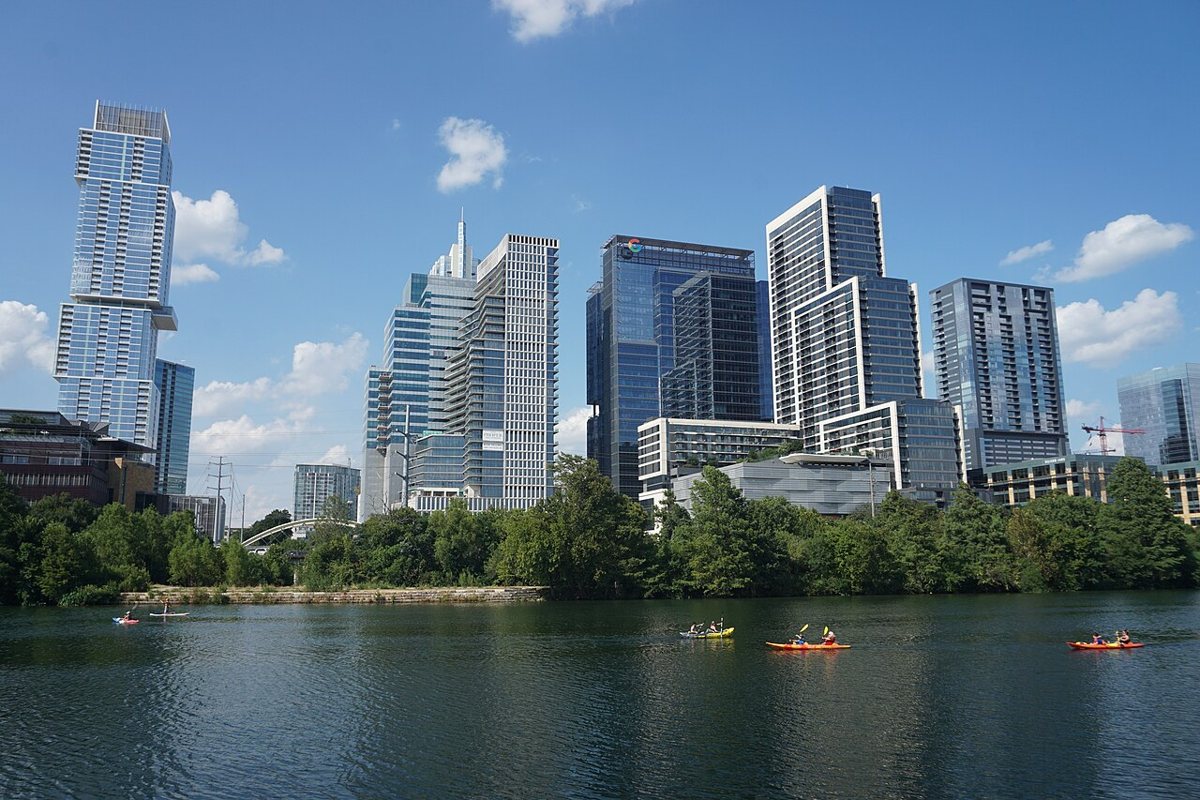

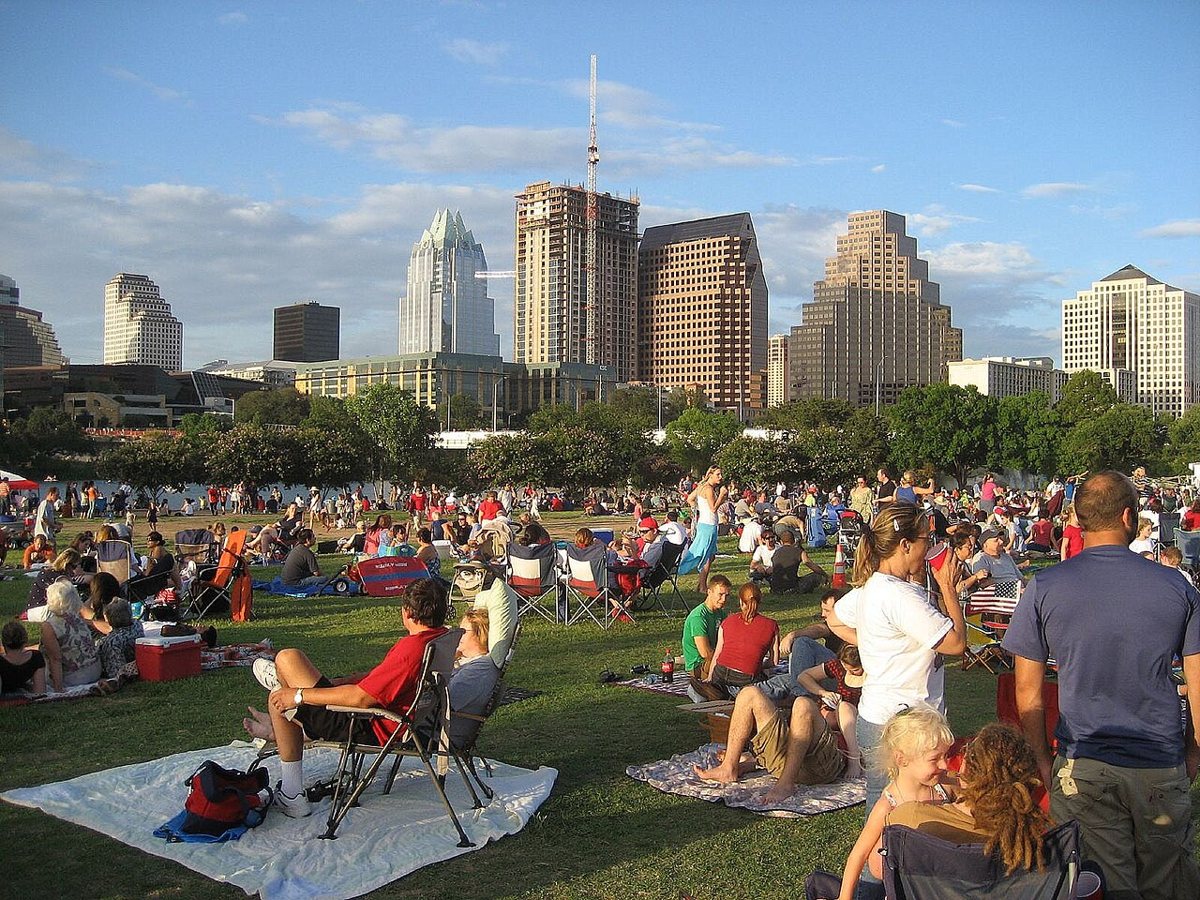
Just west along the trail sits a wide lawn running down to the water, used for everything from off-leash dog time to outdoor concerts and the occasional festival stage. It is one of the few genuinely free things to do near the strip, open and unstructured in a way most of South Congress is not. Bring a blanket and treat it as a spot to sit rather than a stop to check off, especially in the early evening when the heat breaks and the skyline across the water starts to light up.

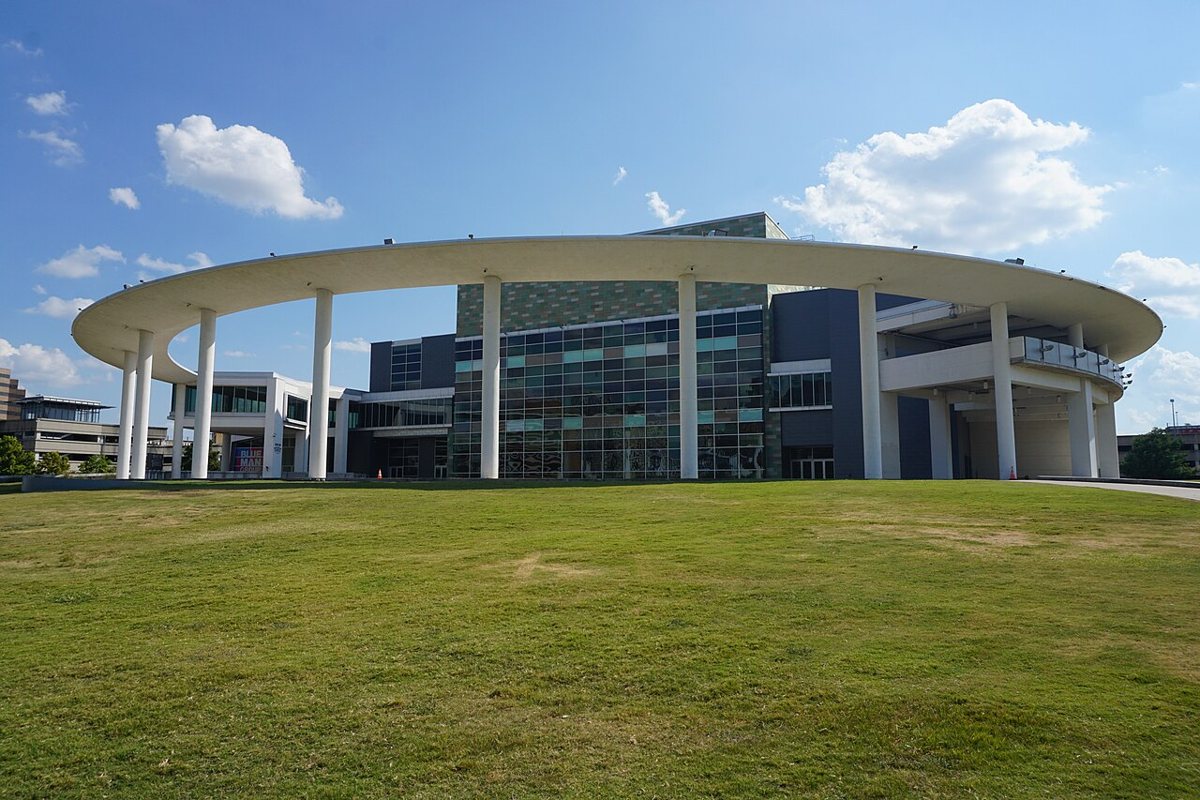
West of the bridge, near Auditorium Shores, a performing arts venue holds one of the better free views in the city from the terrace and lawn just outside its doors, looking straight back across the water toward the downtown skyline and the Capitol beyond it. Even without tickets to whatever is playing inside, the outdoor terrace stays open and is worth the short walk over from South Congress. What to actually do: time it for early evening, sit on the steps or the lawn, and watch the skyline go from daylight to lit up without paying for a seat inside.

The Bats at Dusk
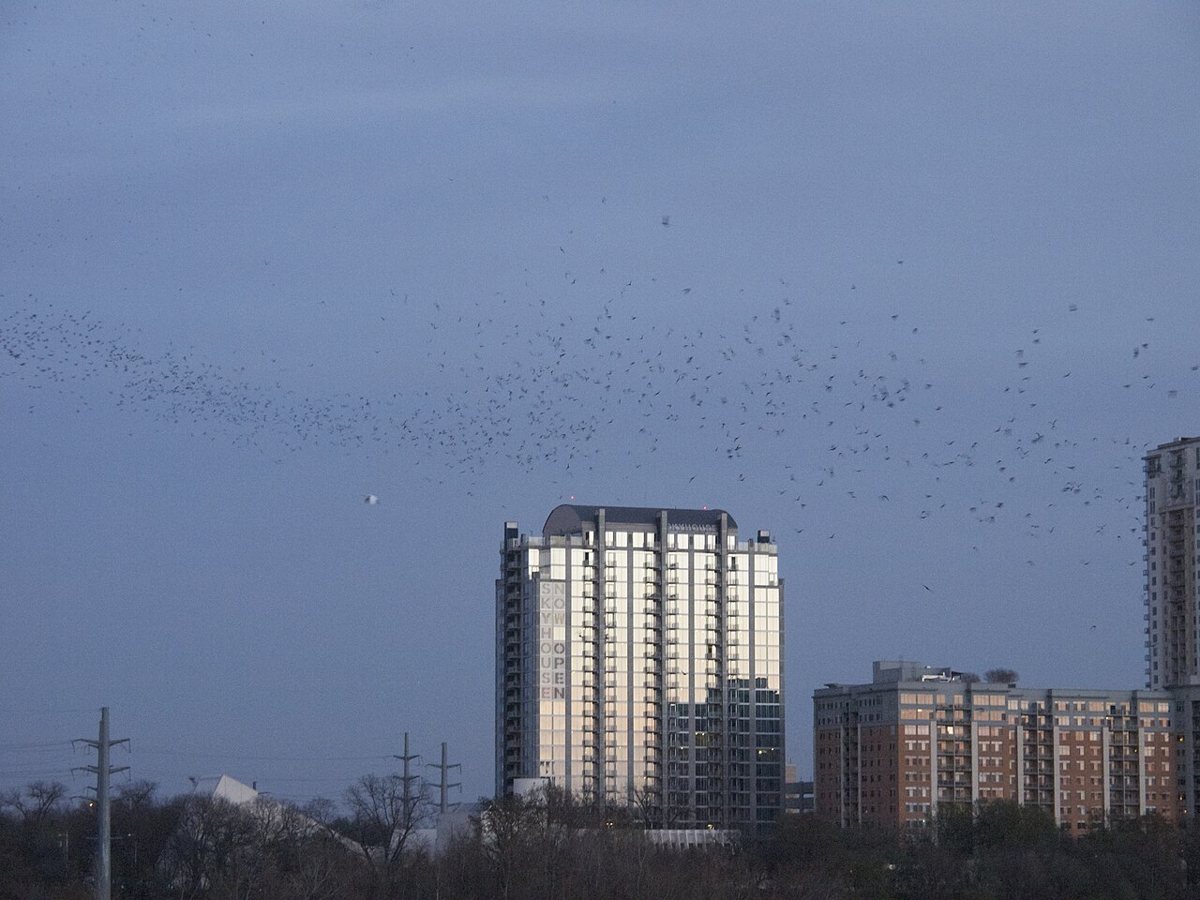
The bridge that carries South Congress over the lake holds one of the largest urban bat colonies in North America under its expansion joints, and the nightly emergence at dusk, when hundreds of thousands of Mexican free-tailed bats pour out from underneath and stream off toward the hill country to feed, is free, unticketed, and genuinely worth timing an evening around. What to actually do: get to the bridge or the grassy bank just east of it before sunset and wait, since the exact minute of emergence shifts with the season and the weather. The insider tip is that the east bank usually gives a clearer sightline than standing on the bridge itself, where the crowd and the traffic noise compete with the view.

Parking, Walking, and Timing Your Visit
None of this works if the practical side gets ignored, so it is worth being honest about it. Parking on South Congress is genuinely difficult, not exaggerated-for-effect difficult, especially on weekend afternoons and evenings when the strip runs at its fullest, and traffic getting to and from downtown across the bridge can turn a short drive into a long one without warning. Anyone used to easier parking in a smaller city should adjust expectations before arriving rather than after circling the block for the fourth time. Ride share drop-off near the bridge is often faster than hunting for a spot, especially on weekend evenings.
- Parking on the avenue itself is limited and metered in stretches. The side streets east and west of the strip fill up fast, so budget extra time to circle rather than expecting a spot near whatever store is the destination.
- The strip is genuinely walkable once parked, with most of the density packed into a stretch that takes under an hour to cover on foot at a browsing pace.
- Traffic on South Congress and the bridge backs up badly at rush hour and during any event at the Long Center or Auditorium Shores, so treat drive times as unreliable rather than fixed.
- Mornings are quieter and cooler for shopping and coffee. Evenings are better for the bridge view, the bats, and the lake.
- The bat emergence, the Capitol view, the mural, and the trail along Lady Bird Lake cost nothing, which makes a full evening here possible without spending much beyond a meal or a coffee.
The Real South Congress
South Congress gets flattened in a lot of travel writing into a strip of boots and photo walls, and that version is not wrong so much as incomplete. The strip still works because it sits between two things that matter more than the shopping: a working music club that predates the boutiques by decades, and a stretch of lake and trail that has nothing to do with retail at all. The traffic getting there is real and often bad, the parking is worse, and neither fact is going away as the city keeps growing around this half mile of Congress Avenue. Go anyway, walk it slowly, and let the evening end at the bridge with the bats coming out and the Capitol lit up at the far end of the avenue. That combination, not any single store, is what makes this stretch worth the trip, and it is the reason South Congress keeps pulling people back even after the boot shop and the vintage mall have both been thoroughly picked through.