East Austin Neighborhood Guide Worth Exploring
The taquerias, the murals, and the tension of a neighborhood that used to be affordable and now mostly isn't.
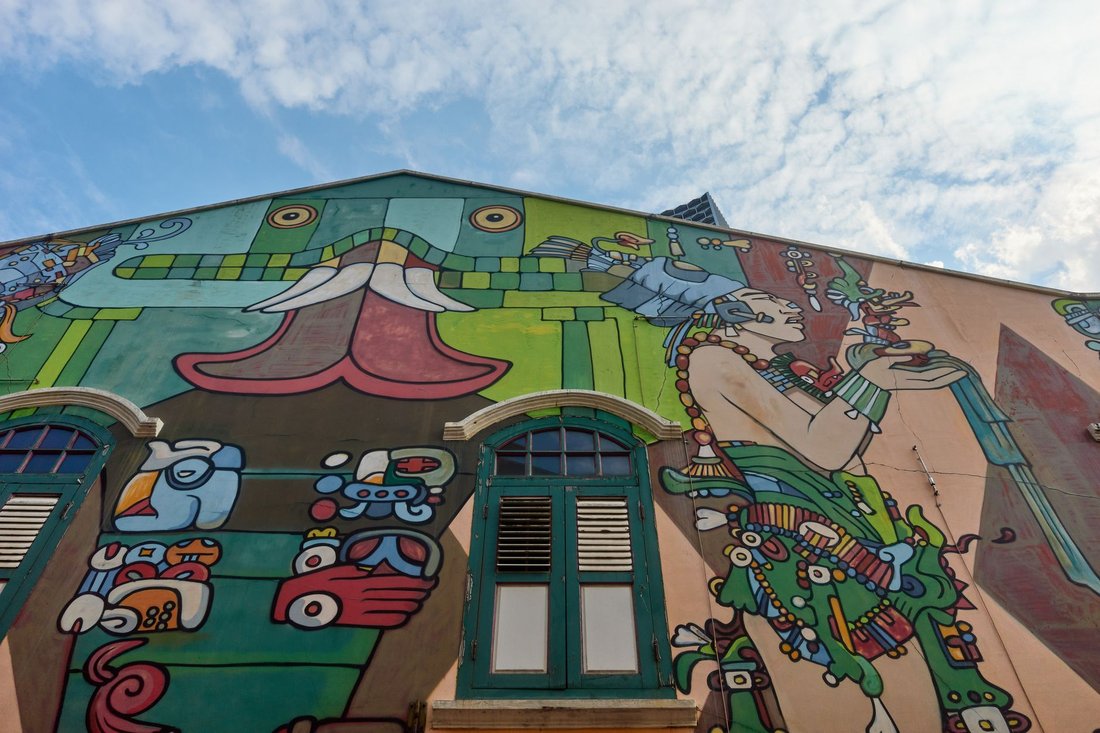
On a Saturday morning on East Cesar Chavez, the line outside a taco trailer wraps past a mural of a woman crowned in marigolds, past a parked Tesla charging at a converted warehouse, past a lowrider idling with the windows down. Nobody in that line seems bothered by the contradiction. This is just what East Austin looks like now, and any honest east austin neighborhood guide has to start there, with the fact that the old and the new share a curb and mostly get along, even when the rent doesn't.
East Austin runs from I-35 out past Airport Boulevard, and for most of the twentieth century it was where the city's Black and Mexican-American residents lived, by law and then by habit long after the law changed. A 1928 city plan pushed non-white Austin east of the interstate on purpose, concentrating schools, churches, and businesses in a district that City Hall then underfunded for decades. That history is not decoration. It's the reason the neighborhood has the bones it has: modest wood-frame houses, corner grocery stores, panaderias, and churches with congregations older than the city's tech reputation.
What an east austin neighborhood guide has to reckon with
Start with the gentrification, because pretending otherwise insults the people who lived through it. Property values east of the interstate climbed faster than almost anywhere else in the city over the past two decades, and longtime homeowners got buyout offers that looked generous until they tried to buy back into the neighborhood a few years later. Some families sold and moved to Manor or Pflugerville. Others held on, sometimes because a house had been in the family since before the highway existed. Walk down side streets off East 12th or Rosewood and you'll see both outcomes on the same block: a renovated bungalow with a metal roof and a xeriscaped yard next to a house that's been there since the 1950s, window units and all.
What survived the last twenty years is still worth the trip. The taquerias along East Cesar Chavez and further out toward Montopolis serve the kind of breakfast tacos that don't need a menu board to be good, and if you're building a morning around the neighborhood, find a proper breakfast taco before you do anything else. The mercados and panaderias near East 7th still sell pan dulce out of the same cases they always have. And the murals, some decades old and some new, cover garage doors and grocery store walls in a way that reads as memory rather than decoration, portraits of neighborhood figures next to Virgin of Guadalupe imagery next to newer, glossier work commissioned by whatever business now occupies the building.
The corridors, one by one
- East Cesar Chavez, closest to Lady Bird Lake, mixes original taquerias and small grocery stores with newer bars and restaurants that moved in as the area gentrified; it's the most walkable stretch for an afternoon.
- East 6th Street, past the interstate, is where the neighborhood's music venues cluster, dive bars and mid-size rooms that book touring acts and local bands without the frat-row energy of downtown's entertainment district.
- Manor Road, running through the northern edge near Mueller, has a looser, more residential feel, with restaurants and shops that serve the neighborhood as much as visitors.
- East 12th and East 11th carry the deepest civil rights history in the neighborhood, tied to Austin's historically Black churches and community institutions, and are worth a slow drive even if you don't stop.
The live music here deserves its own note, because visitors sometimes assume Austin's scene lives on 6th Street downtown. It doesn't, and hasn't for years. The rooms east of the interstate and along Red River are where you'll actually catch a band that matters, in a space small enough that you can hear them.
How to actually spend a day here
Come in the morning while it's cool enough to walk. Get tacos first. Spend an hour just driving or biking the side streets between East 12th and East 7th to see the houses and the murals before you do anything else, because that's where the neighborhood's actual texture lives, not on the commercial strips. Break for lunch somewhere that's been open longer than five years if you can find it, and somewhere new if you can't tell the difference by looking. In the evening, catch a band at one of the venues on East 6th or Red River. If barbecue is part of the plan, this part of town has some of the city's most talked-about smoke, and it's worth building in time to wait in a barbecue line rather than rush it.
Traffic will be part of your day whether you plan for it or not. The corridors east of I-35 were not built for the volume they carry now, and a ten-minute drive at 10 a.m. can be twenty-five at 5 p.m. Park once, walk more than you drive, and you'll see more of the neighborhood anyway.
The honest takeaway is that East Austin isn't a museum and it isn't a theme park version of gentrification either. It's a neighborhood where a 90-year-old church, a taco trailer that's fed three generations of one family, and a wine bar that opened last spring all exist on the same half-mile, and where the people who remember what it looked like before are still around to tell you, if you ask them instead of just photographing the mural behind them.