Summer Things to Do in Austin Locals Recommend
A guide to surviving and actually loving an Austin summer, written by someone who has spent twenty-five of them here and still can't stay away from Barton Springs.
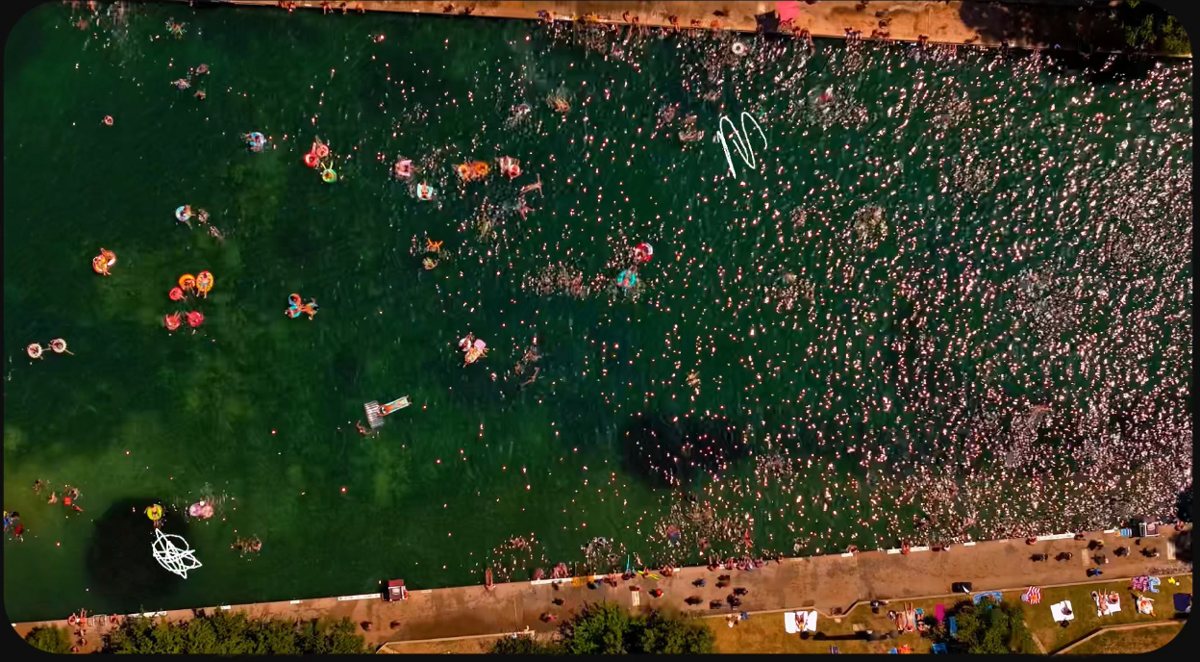

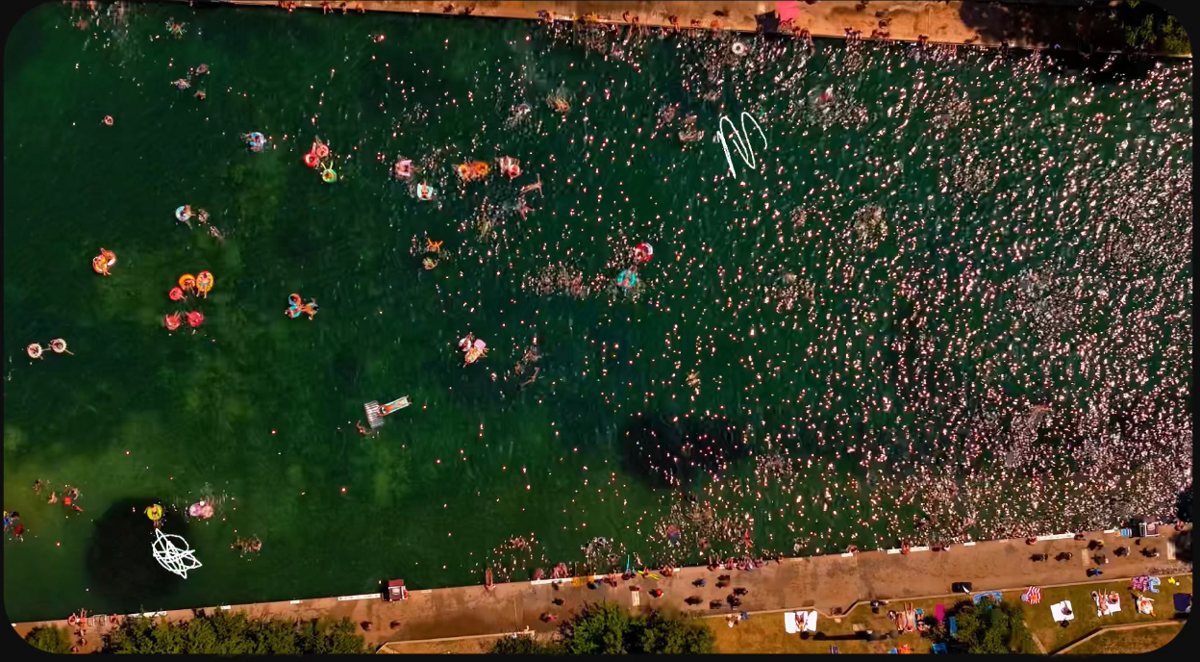
By seven in the morning in July, the light over Barton Springs is already flat and white, and the parking lot is already half full. Old men swim laps in lane one like they've done it every day since Eisenhower. A toddler in floaties shrieks at the cold. Someone's dog is not supposed to be there and everyone pretends not to notice. This is the actual answer to summer things to do in Austin: get up early, get in the water, and build the rest of your day around staying out of the sun until it lets up again around seven at night. I moved here from Corpus Christi in 2001 and figured I already understood heat. Austin summer is a different animal, drier, longer, and somehow more communal, because everyone in this city is solving the same problem at the same time, which is how you end up strangers-but-not at a spring-fed pool at dawn. There's a rhythm to it that took me a couple of summers to learn: you don't fight the heat, you schedule around it, and the payoff is a version of Austin that moves at its own pace no matter what's going up along the skyline that year.
The Real Summer Things to Do in Austin Are All About Water
Barton Springs Pool sits inside Zilker Park and stays a chilly, constant temperature no matter how brutal the air is above it, which is the whole miracle of the place. It's spring-fed, three acres, limestone-bottomed, and it has been the center of Austin summer life since long before anyone here had heard the words South by Southwest. Swim laps in the roped-off section, float on your back in the shallow end near the diving board, or just sit on the grassy slope with a paperback and watch the whole city file through. The insider move is arriving before nine, both because the crowds haven't shown up and because the light on the water is at its best. It's downtown-adjacent but feels like its own separate climate, literally, since the water rarely breaks 70 degrees even in August.
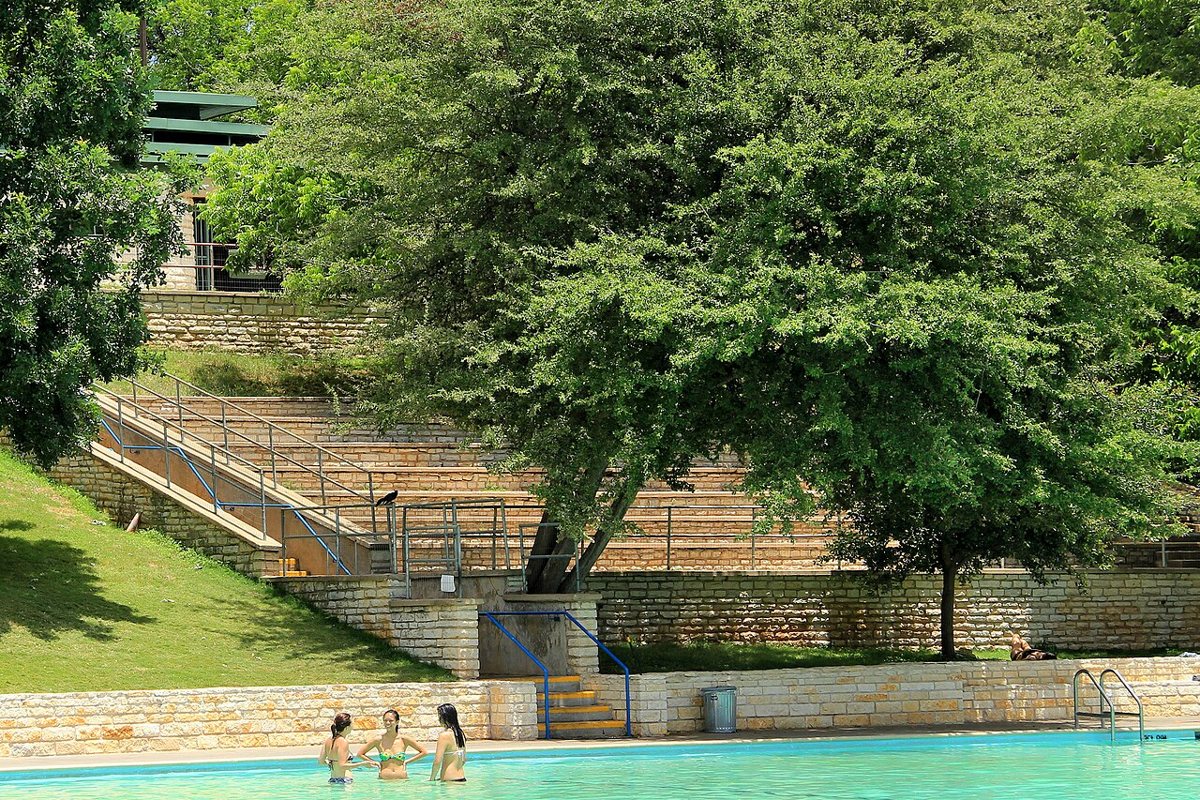
Deep Eddy Pool, over in the Tarrytown-adjacent stretch near Lake Austin, is the older and quieter cousin, a spring-fed pool with a more old-fashioned bathhouse feel, concrete decks, and a crowd that skews a little more neighborhood, a little less scene. It's a good pick when Barton Springs sounds exhausting rather than restorative. Bring a towel you don't mind getting a little green from the algae on the pool floor, and get there in the first couple hours it's open if you want a chair. There's a splash pad section for younger kids, which makes it a rare spot where a toddler's meltdown threshold and an adult's need to cool off both get met.

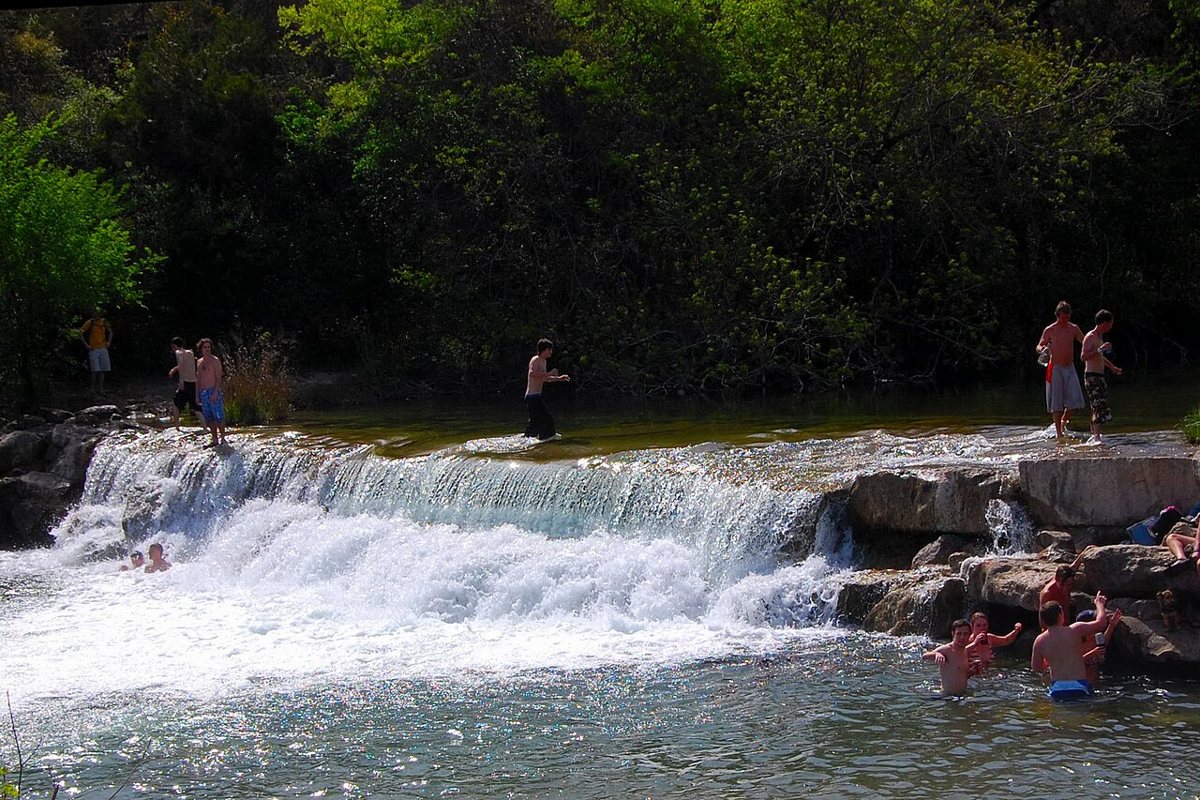
The Barton Creek Greenbelt is where Austin goes to remember it's still a little bit wild. Access points run along a stretch that parallels Barton Creek from near Zilker all the way out past 360, and depending on rainfall you'll find anything from a trickle to genuine swimming holes with limestone cliffs for jumping, most famously around Twin Falls and Sculpture Falls. This is not a groomed city park, the trail is rocky, the water level is unpredictable, and in a dry year some of the pools disappear entirely. That unpredictability is part of the appeal for people who've been coming for twenty years and still don't quite know what they'll find. Wear shoes you can get wet, go with someone who knows the access points, and treat any posted water quality advisories as non-negotiable, not a suggestion.

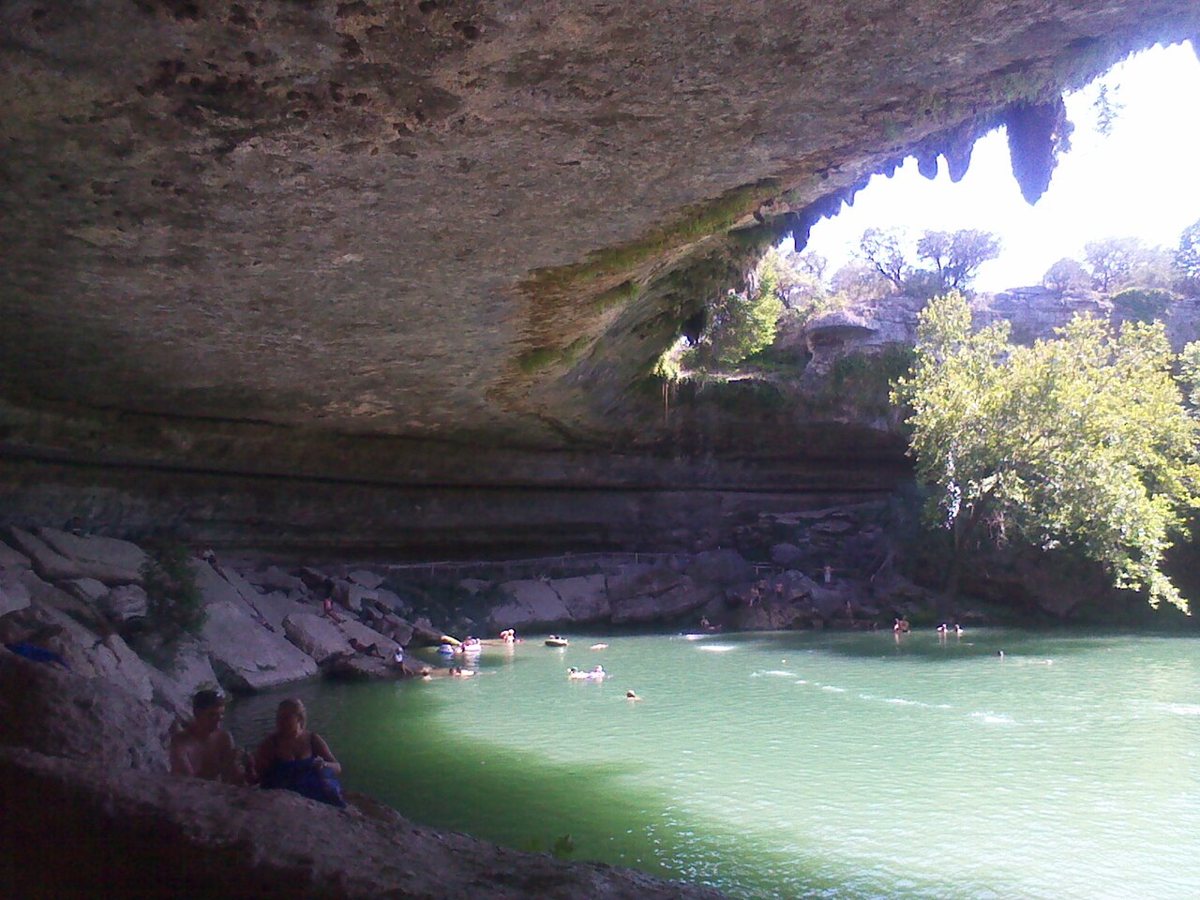
Hamilton Pool Preserve, out west toward the Hill Country, is the one visitors put on a postcard and locals plan a whole day trip around, a collapsed grotto with a waterfall dropping into a green pool ringed by limestone overhang. It might be the most beautiful place within an hour of downtown, and the park limits the number of vehicles allowed in at a time, so reservations are effectively required and should be locked in well ahead rather than assumed. The swimming area itself can close on short notice depending on bacteria levels after rain, so it's worth a plan B. Go on a weekday if your schedule allows it at all, weekend slots vanish fast, and the whole point of the place is a little bit of quiet.

Lake Days, Long Days
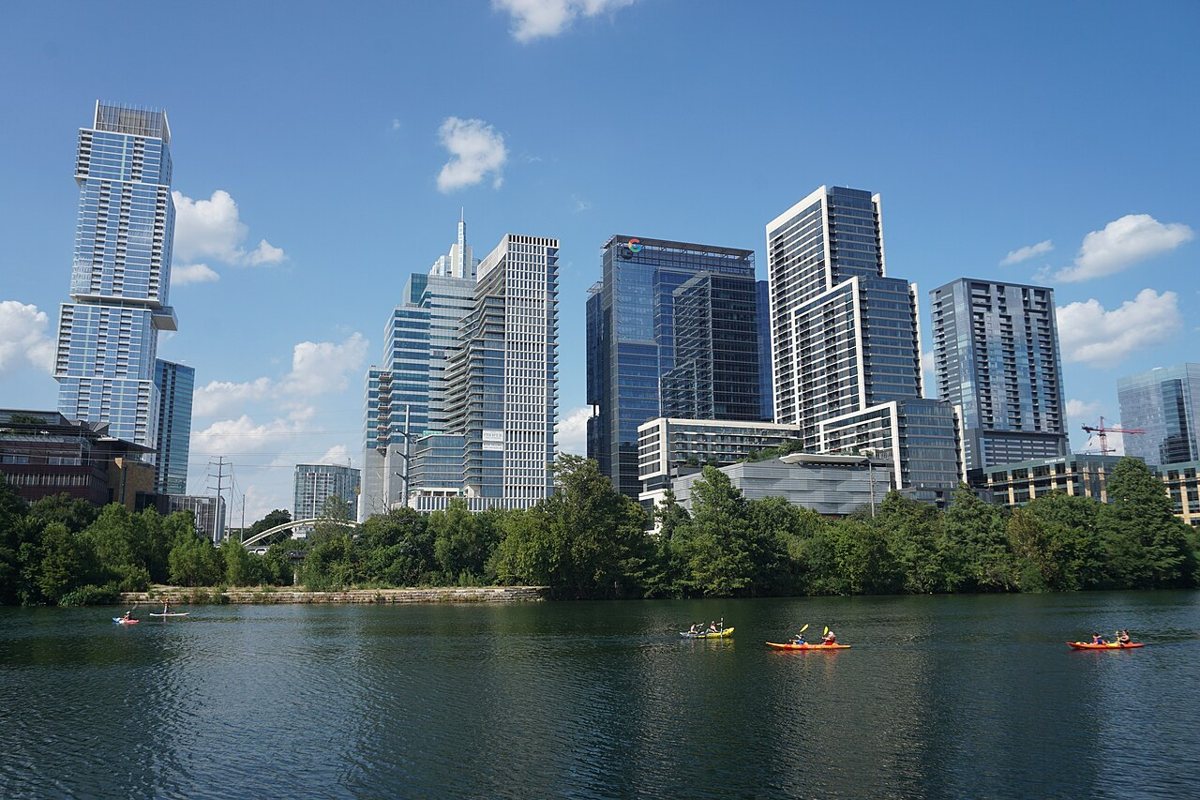
Lady Bird Lake isn't really a lake for swimming, it's the reservoir on the Colorado River that runs through the middle of the city, but it's the backbone of outdoor Austin all the same, mostly by way of the Ann and Roy Butler Hike-and-Bike Trail that loops around it. In summer the smart move is dawn or dusk: runners and walkers start showing up as early as the light allows, disappear during the worst of the midday heat, and reappear in the evening once the sun drops behind the skyline. Rent a kayak, a paddleboard, or a canoe from one of the outfitters near the south shore and get out on the water itself, where a breeze off the lake makes ninety-eight degrees feel almost reasonable. The trail also connects you to Auditorium Shores and, eventually, back to Zilker, so you can turn a paddle into a whole loop of a day.

Lake Travis, twenty to forty minutes northwest depending on which access point you pick, is where Austin goes when it wants an actual boat day, swimming off a dock, tubing behind a friend's boat, or just parking a cooler at one of the public parks along the shoreline and watching the water skiers. It's a longer, hillier, more sunburned kind of outing than a pool day, and the lake's water level shifts noticeably with drought and rainfall, so what was a beach two summers ago might be underwater or a hundred yards from the shore this year. Bring more sunscreen than feels reasonable and get there before the heat of the afternoon turns the drive itself into the hardest part of the day. Several of the public parks along the shoreline have shaded picnic areas and swim coves that don't require a boat at all, which makes the lake a viable day trip even if nobody in your group owns a boat or knows someone who does. Weekday mornings are noticeably calmer than weekend afternoons, when the marina traffic on the water can get as thick as the highway traffic getting there.
Getting Out to McKinney Falls
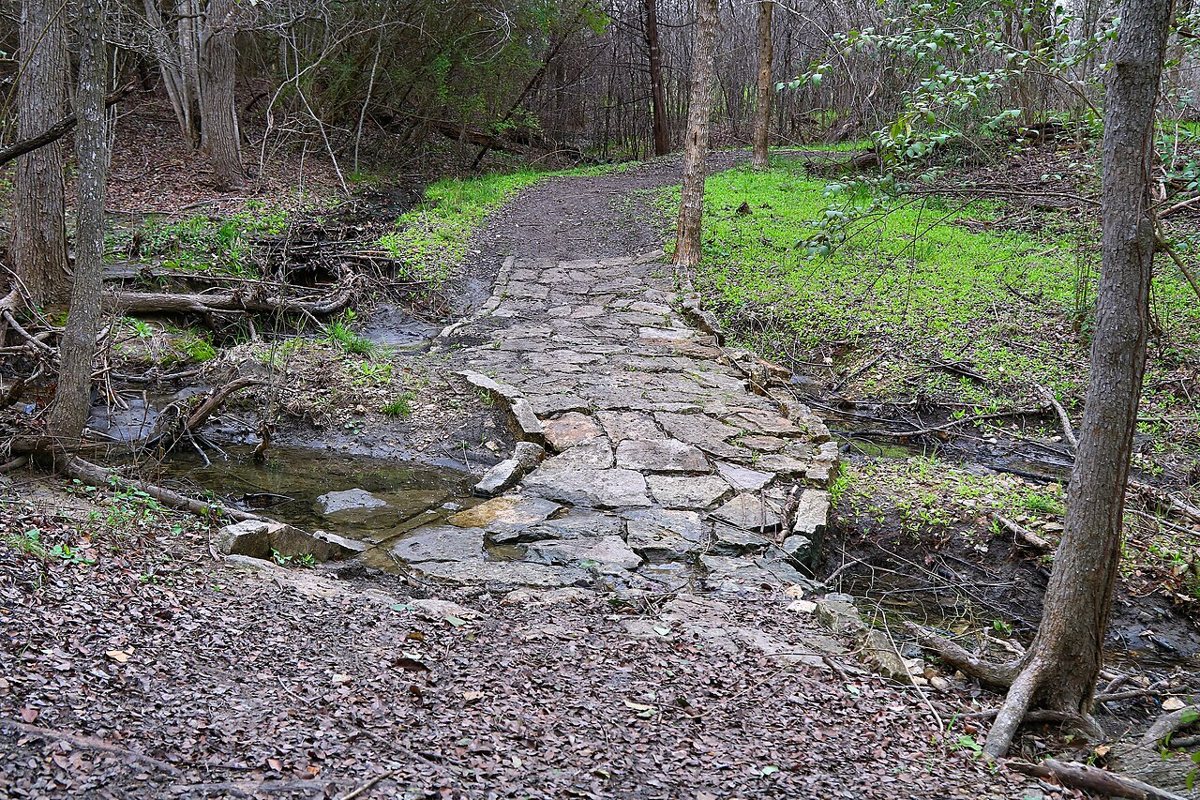
McKinney Falls State Park sits on the southeast edge of the city, close enough for a half-day trip, and gives you a genuinely different landscape from the Hill Country limestone everyone associates with Austin swimming, flat rock ledges, small cascading falls, and a creek that pools up nicely for wading even when it's not dramatic enough to call a waterfall. It's less crowded than Barton Springs or the Greenbelt precisely because it's a little out of the way, which makes it the pick for a morning when you want water without the scene. There's shade along the trails and enough flat rock to spread out a picnic once you're done wading, which matters when the goal is staying out past noon without frying. The park also has hiking and biking trails that wind through cypress and pecan trees along the creek, so it works as a half swim, half hike outing for anyone who wants more than just a place to cool off.

Chasing the Cool Hours: Mornings and Evenings
Austin in July does not reward anyone who tries to force a midday itinerary. The whole city quietly reorganizes itself around two windows, early morning, before the heat sets in around ten, and the last couple hours before dark, once the sun has dropped low enough that shade actually means something. Locals plan around this instinctively: a hike gets done at 7 a.m., errands get done at lunch in air conditioning, and anything social happens after six. Visitors who try to sightsee at 2 p.m. in August learn the hard way why the sidewalks look empty.
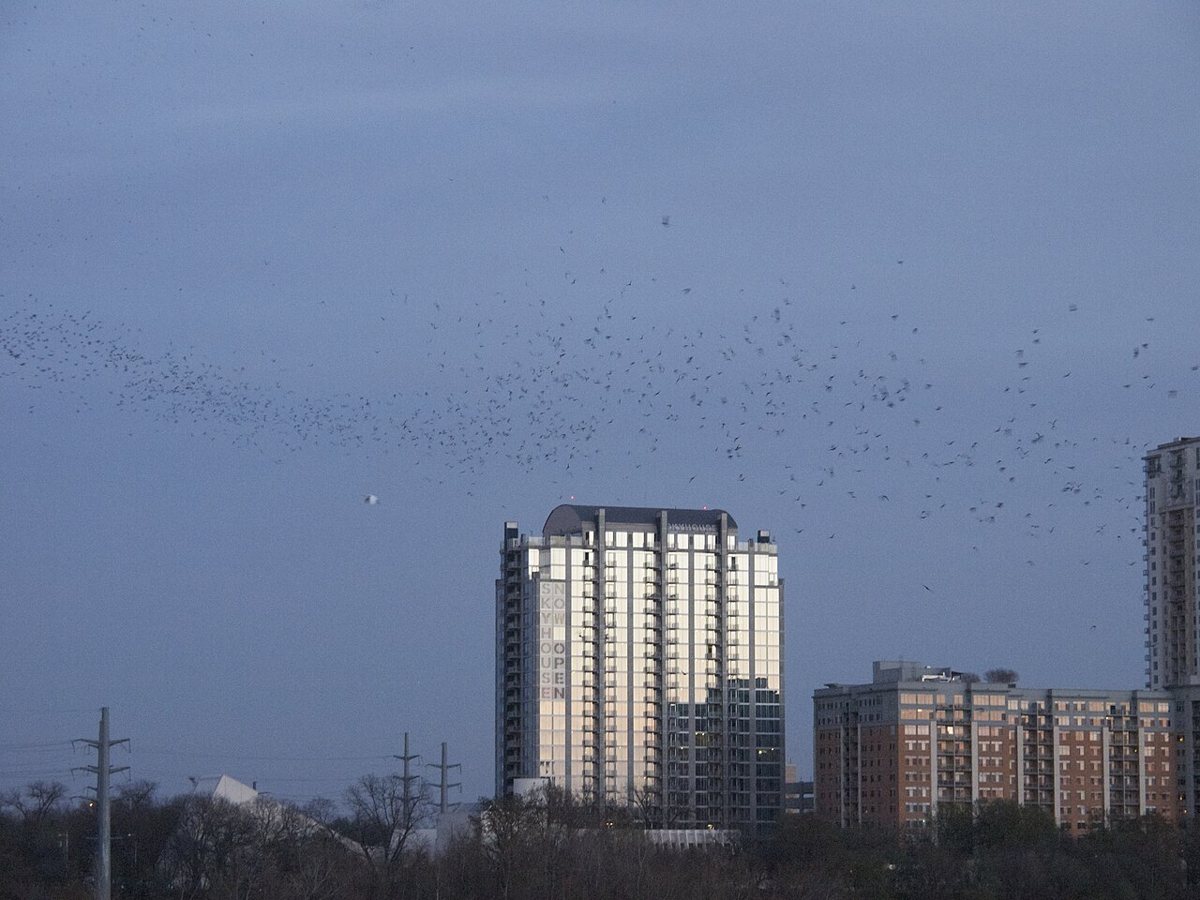
The Congress Avenue Bridge bats are the single best use of that evening window. Every summer evening, an enormous colony of Mexican free-tailed bats, the largest urban bat colony in North America, streams out from under the bridge just after sunset, a ribbon of movement against the darkening sky that takes anywhere from twenty minutes to over an hour depending on the size of that night's emergence. Watch from the bridge itself, from the grassy slope of the Statesman side just south of the bridge, or from a kayak out on the water below, which is arguably the best seat in the house. Get there well before dark, because the bats don't run on a fixed schedule and the crowd along the railing fills in fast on a clear evening.

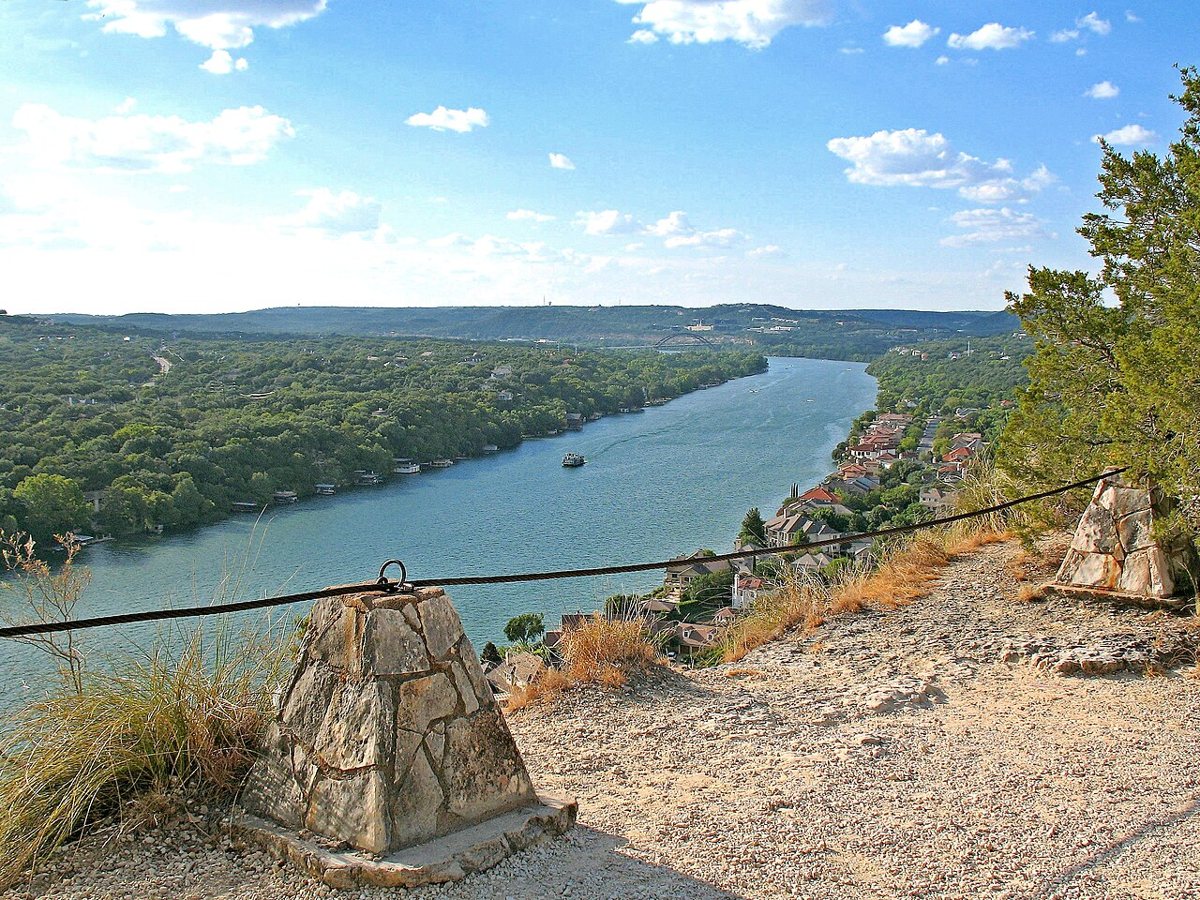
Mount Bonnell, tucked above Lake Austin on the west side of town, is the closest thing this city has to a proper overlook, and it earns its reputation at golden hour rather than at noon. A short but genuinely steep set of stone steps gets you to a limestone bluff with a long view down the river toward the hills, the kind of spot where every visiting relative eventually gets dragged for a photo, and where locals still go back for the sunset anyway. It gets crowded at peak evening hours, so if the parking lot at the top looks full, circle back in twenty minutes rather than fighting for a spot. Bring water even for the short climb; the exposed stone holds heat well into the evening.

When You Need Four Walls and Air Conditioning
There's a stretch of Austin summer, usually sometime in August, when even the water feels like a lukewarm bath and the honest move is to give up on the outdoors entirely for an afternoon. The Blanton Museum of Art on the UT campus is the best version of that surrender, a serious collection with strong Latin American and contemporary holdings, housed in a building cool enough that you'll actually want a light jacket. Give yourself real time in the Ellsworth Kelly building, a freestanding work of art in its own right just off the main museum, and don't rush the permanent collection on your way to whatever the current special exhibition is.


The Texas State Capitol, a few blocks south, is free to walk through and genuinely worth the visit even if you've seen a dozen other state capitols, it's taller than the one in Washington, built from a distinctive pink Texas granite, and the rotunda underneath that dome is one of the better pieces of public architecture in the state. Self-guided tours are easy, the grounds are shaded by old live oaks that make the surrounding lawn its own small relief from the heat, and it sits close enough to the UT campus and the drag along Guadalupe that you can turn it into a longer downtown walk once the sun starts to drop. Inside, the building stays remarkably cool given its size, and wandering the halls past the House and Senate chambers gives you a better sense of the state's political theater than any amount of reading about it does. It's the rare Austin attraction that costs nothing and takes as little or as much time as you want to give it.
The LBJ Presidential Library, also on the UT campus, is an underrated way to spend a couple of air-conditioned hours, a genuinely well-done museum on Lyndon Johnson's presidency and the civil rights era, with an animatronic LBJ telling jokes that has been startling visitors for decades. It's the kind of place that rewards actually reading the placards rather than speed-walking through, and it pairs naturally with a Blanton visit or a walk down the shaded stretch by the UT Tower on the same trip.
Neighborhood Nights
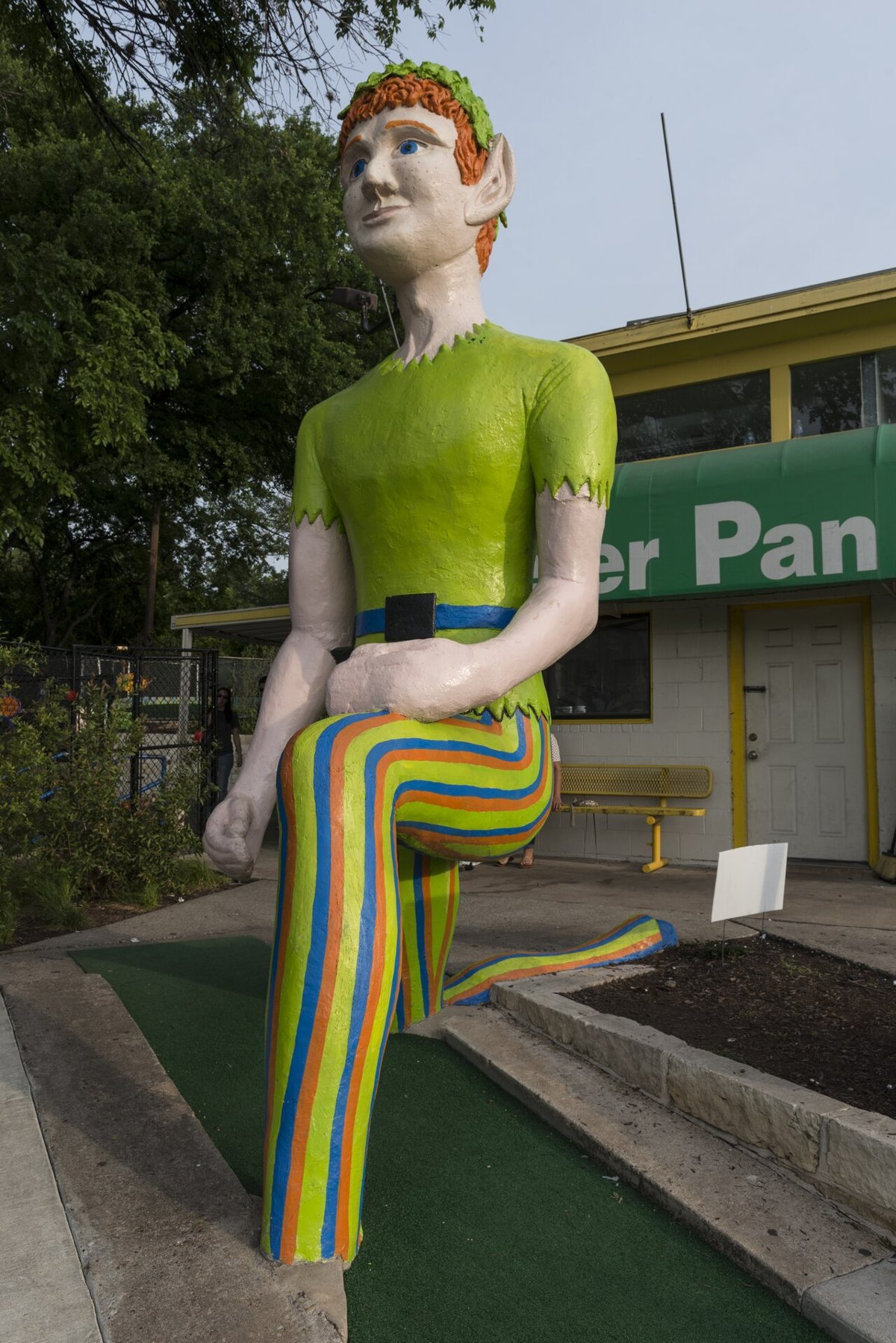
South Congress, or SoCo as it's known even to people who otherwise resist nicknames, is a better evening stroll in summer than a daytime one, the shops and restaurants along the strip stay lit and open well past dark, and the sidewalks are shaded and walkable once the sun drops. Peter Pan Mini-Golf, an Austin institution that's been on Barton Springs Road for generations, is the kind of unpretentious, slightly kitschy stop that fits a summer evening perfectly: a lit-up, dinosaur-themed course that's genuinely fun for adults with a beer in hand as much as it is for kids. It's cheap, it's outdoors but shaded and breezy after dark, and it's the sort of place a longtime local will send you before they'll send you to anything flashier.
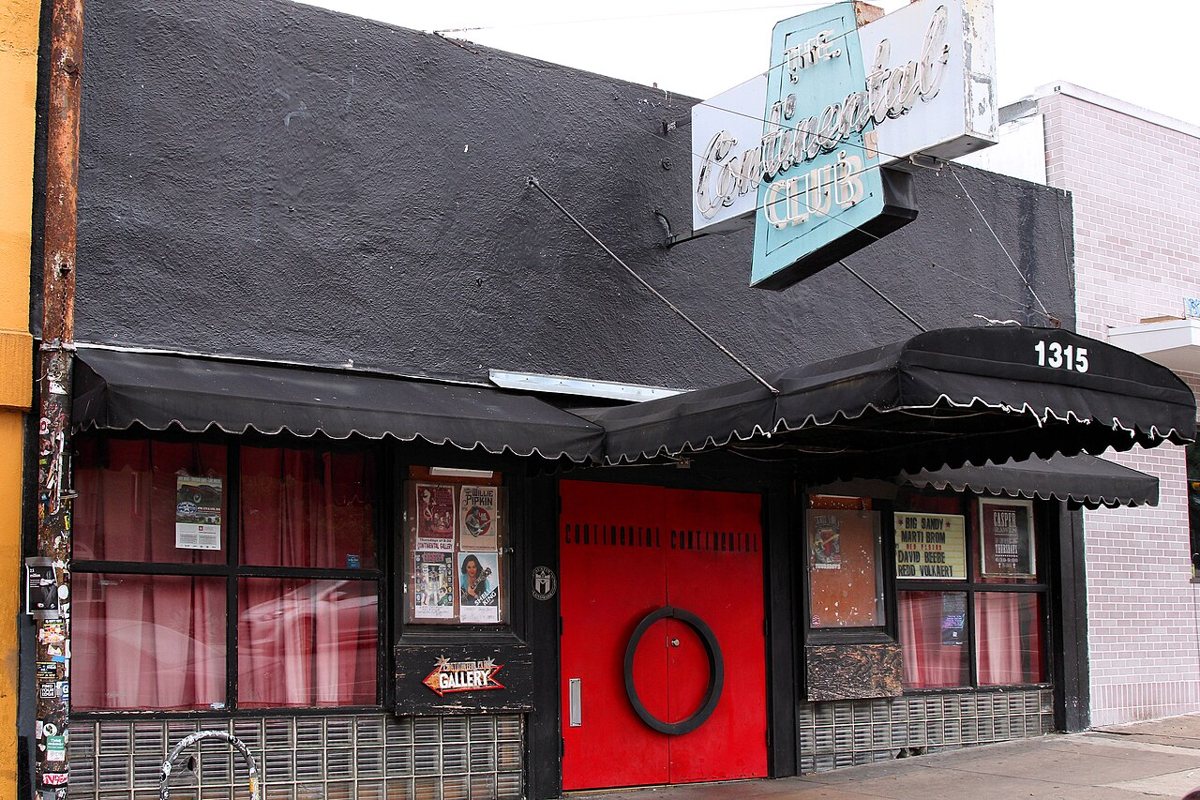
For live music, the real center of gravity has always been Red River and East Austin, not the tourist strip on 6th Street, and the Continental Club on South Congress is the anchor that's kept the city's music identity intact through every wave of change. It's a small, dark, un-air-conditioned-feeling room in the best possible way, with a history of residencies and late sets that stretches back decades. Summer nights are when it makes the most sense, you walk in from the heat, the room is packed and a little sweaty in that specific way that live music venues are supposed to be, and for a couple hours the temperature outside stops mattering. Check who's playing before you go, since the lineup shifts night to night, but the room itself is worth experiencing regardless of who's on stage.

East Austin itself is worth a slow evening loop on its own terms, a neighborhood that's changed more than almost anywhere else in the city since I moved into a bungalow over there in the early 2000s, but one that still holds onto its taquerias, its old dance halls, and a handful of venues that predate every condo now standing next to them. A walk down there after the heat breaks, ending with tacos the next morning before the heat comes back, is as honest a summer evening as this city offers.
The Practical Stuff: Getting Around, Timing, and What's Free
Austin traffic in summer is not a minor inconvenience to plan around lightly, construction, a sprawling metro area, and a highway system that was undersized decades ago combine to make a ten-mile drive at the wrong hour take forty-five minutes. Ride-share and the city's bus system, Capital Metro, both work fine for downtown, South Congress, and UT-area trips, but anything out toward Hamilton Pool or Lake Travis basically requires a car, so budget real time for the drive rather than the optimistic version Google Maps gives you. I-35 through downtown and MoPac during the evening commute are the two stretches that will eat a summer evening whole if you let them, so plan water-and-park trips outside those windows when you can, or accept that the drive itself is part of the price of admission.
- Start outdoor plans as early as your schedule allows, most pools and parks are at their calmest and coolest before 9 a.m.
- Treat 1 p.m. to 5 p.m. as indoor time by default in July and August; that's when the museums, the Capitol, and air-conditioned restaurants earn their keep.
- Evening plans start later than they would in most cities, reservations and bat-watching and live music all cluster after 7 p.m. once the heat finally breaks.
- Free options are everywhere if you know where to look: the Capitol grounds, self-guided tours of the Capitol itself, the hike-and-bike trail around Lady Bird Lake, and watching the bat emergence from the bridge or the grassy south bank all cost nothing.
- Check water quality advisories before swimming at the Greenbelt or any creek-fed spot after a heavy rain, and check reservation requirements before driving out to Hamilton Pool.
- Carry more water than feels necessary. The heat here is dry enough that people underestimate it until they're already dizzy.
A Local's Honest Take
People who've never lived through one tend to imagine an Austin summer as an obstacle to route around, something to survive on the way to better weather. That's not quite how it works if you've been here long enough to build a rhythm around it. The heat forces a kind of discipline that this city doesn't always have the rest of the year: get up early, get in the water, do the errands and the museums when the sun is at its worst, and come back outside once it lets go in the evening. Some of my favorite Austin nights have started with sweat-soaked shirts and ended at the Continental Club or on the grass by the bridge waiting on bats, and I wouldn't trade that trade-off for a mild June. The city tech money is remaking moves faster in some seasons than others, but summer still belongs to the same things it always did, cold spring water, shade at the right hour, and a city that knows exactly when to slow down. Whatever else changes here season to season, that part hasn't, and I don't expect it to. Come for whichever version of this list matches your patience for heat, but come early, stay wet, and let the evening do the rest.