Spring Things to Do in Austin: A Local's Guide
A season-by-season, patio-by-patio accounting of what's actually worth your time before the heat closes back in.
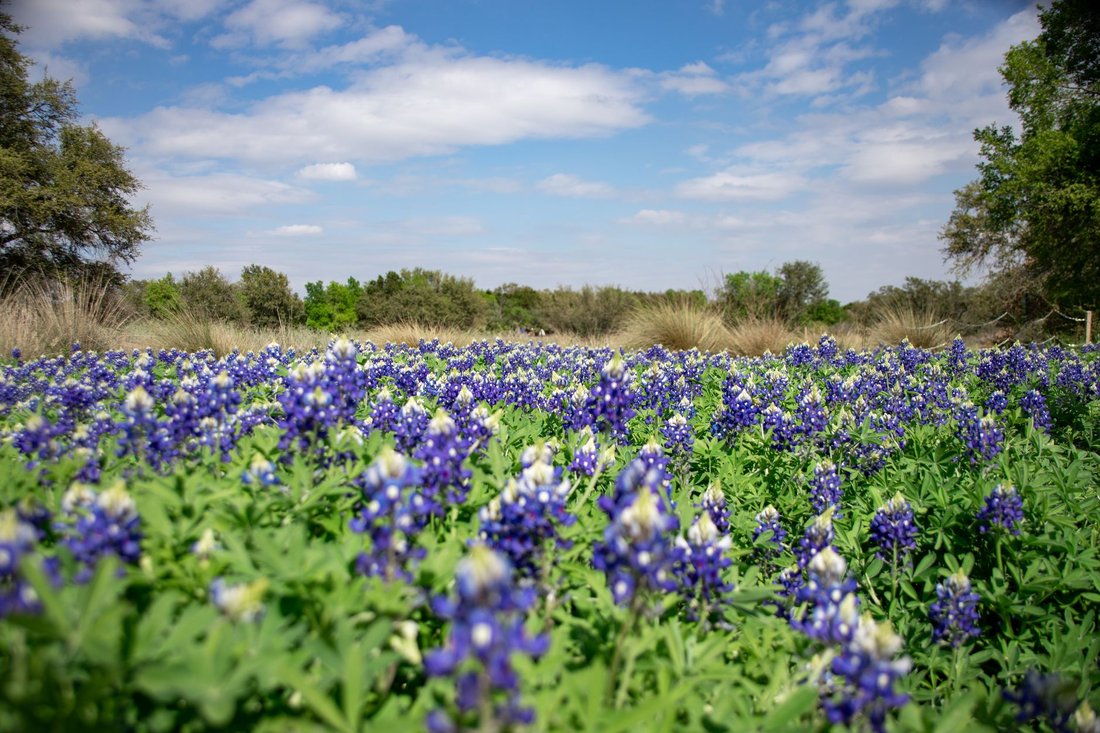
By the first warm Saturday in March, the mountain laurel on the East Side has already bloomed and dropped its grape-soda smell, and the guy two doors down is out on his porch in shorts before ten in the morning, coffee in hand, telling anyone who walks by that the bluebonnets are already up on the shoulders of the farm roads west of town. This is how it starts. Not with a calendar date, but with somebody's front yard suddenly loud with color and a group text of friends comparing which greenbelt trailhead still has water running in the creek. The list of spring things to do in Austin isn't really a list so much as a scramble, a narrow window of six or eight weeks between the last cold snap and the July furnace when the whole city seems to remember, all at once, that it lives outside.
What follows is not a countdown of the ten best photo ops. It's a working accounting of what's actually worth your Saturday, organized by what the land and water are doing, because that's what dictates the season here more than any festival calendar. Some of it costs nothing. All of it disappears, in its current form, by the time the first hundred-degree day shows up sometime around May.
Where the Wildflowers Take Over
In Central Texas, spring is first and foremost a wildflower event. The Hill Country limestone that makes this region a pain to garden in also happens to be perfect bluebonnet country, and for a few weeks the medians, pastures, and highway shoulders around town go the particular blue-purple that Texans have built an entire cultural identity around. It's worth planning at least one outing specifically to see it, before the grass grows tall enough to swallow the flowers whole.
Lady Bird Johnson Wildflower Center
This is the place to start, and the one spot in town where the wildflower show is planted rather than accidental. The center sits on the south side of town and was built around the idea that native Texas plants deserve the same design attention as an English garden, so the spring bloom here is layered and intentional in a way roadside patches aren't. Bluebonnets typically give way to Indian paintbrush and winecups as the weeks go on, with prickly pear blossoms joining by late spring, so a visit in early spring looks nothing like a visit six weeks later. The insider move is to go on a weekday morning before the light gets flat and harsh, and to walk the full trail loop rather than just the courtyard gardens near the entrance, since the wilder back sections are where the bloom feels less staged. Bring water. There's very little shade until the trees fill in.

Chasing Bluebonnets Around the Edges of Town
Beyond any single garden, the real bluebonnet tradition here is more improvised: driving out toward the Hill Country on a weekend, pulling onto a shoulder where a field has gone entirely blue, and letting kids or dogs or grandparents pose in the middle of it. Locals treat this the way other cities treat cherry blossoms, minus the crowds and minus any official schedule. Peak bloom shifts year to year depending on winter rain, so there's no fixed date to circle, just a general sense that late March into April is the sweet spot most years. A few informal rules apply if you're going to do this. Stay off private property and watch for traffic when you pull over. Don't trample a stand of flowers to get a better angle on the ones behind it. The fields recover slowly from foot traffic, and everyone downstream of you wants the same clean shot you do.
Mount Bonnell
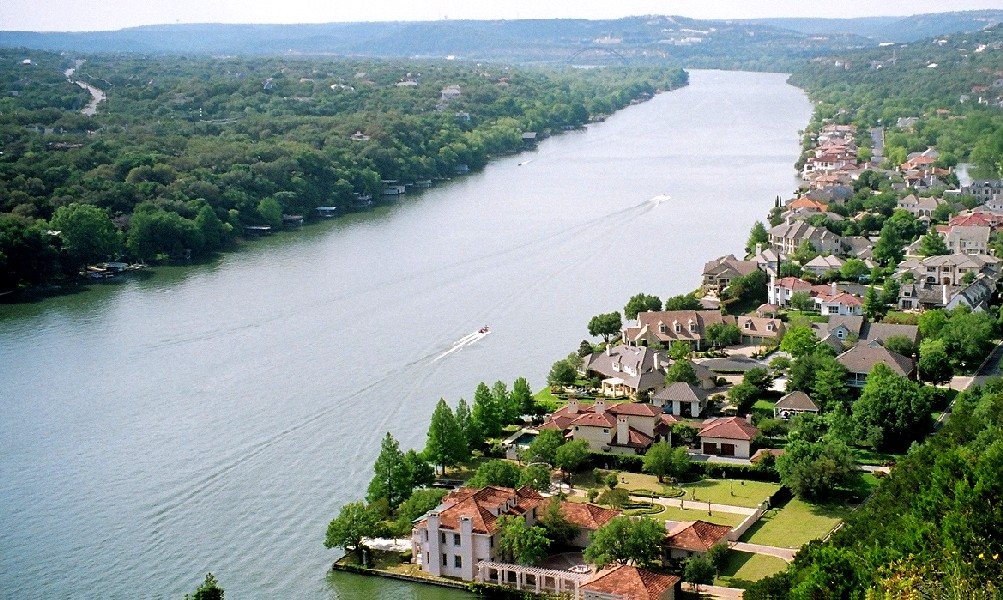
The climb up Mount Bonnell has been a rite of passage for visitors and first dates since long before Austin had a tech economy to speak of, and spring is the best time to do it, before summer haze settles over the river and before the stone steps turn into a furnace in the afternoon sun. The overlook itself sits above a bend in Lake Austin on the west side of town, and on a clear spring morning you can see the hills roll out in every direction, still that early-season green that won't last past June. The stairs are steeper than they look from the parking lot, and there is genuinely no easy way around that climb, so go slow and let the view be the reward rather than the pace. Go at sunrise if you want the overlook to yourself: it draws almost nobody here in spring, while sunset pulls a crowd.

Getting Back in the Water Before Everyone Else Has the Same Idea
Austin's creeks and springs run cold year-round, but spring is when the air finally warms up enough to make that cold feel bracing instead of miserable. This is the short window when you can actually get a spot at the swimming holes without fighting the entire population of the city for towel space, since most of that crowd hasn't shown up yet.
Barton Springs Pool
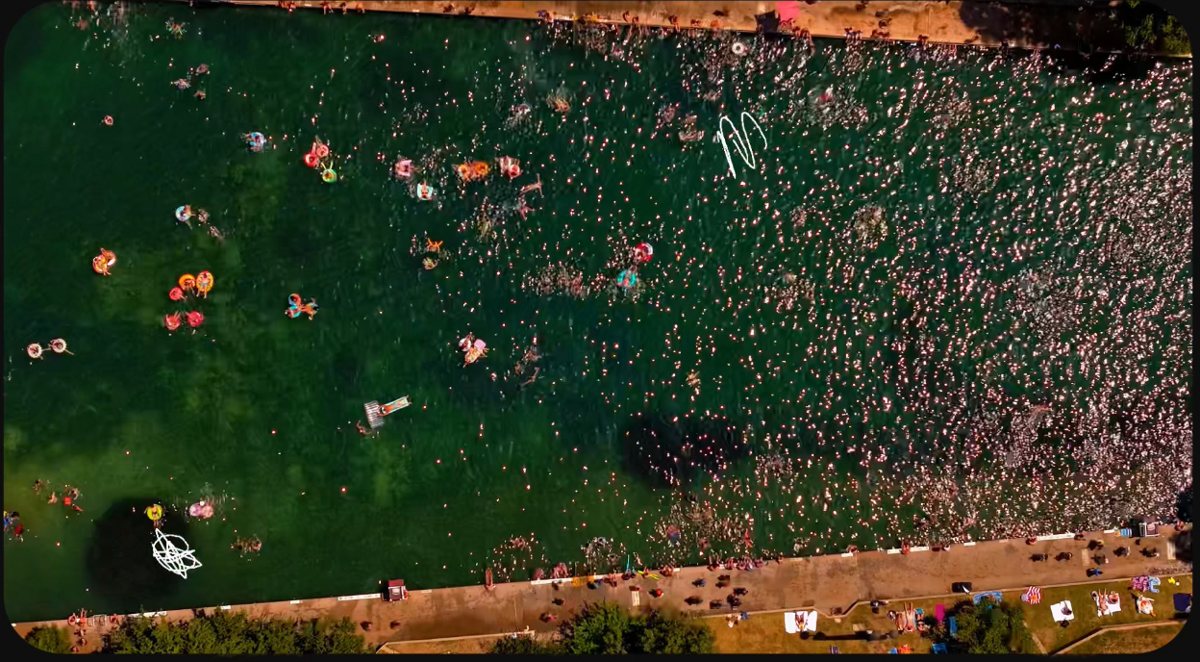
Barton Springs is the closest thing this city has to a communal soul. It's a spring-fed pool carved into the middle of Zilker Park, holding steady at a temperature that never gets warm no matter what the calendar says, which is exactly the point. In spring, before school lets out and before the pool turns into a wall-to-wall scene, you can actually swim laps and float on your back, hearing the water instead of a hundred other conversations. Longtime locals swim here through the winter too, which tells you something about how they feel about the cold. The insider tip is to go on a weekday morning or during that first genuinely warm week before the crowds catch up to the temperature. Bring shoes for the walk down to the water, since the deck gets slick, and don't expect the water to ever feel like a bathtub. It won't.

Barton Creek Greenbelt
The Greenbelt is where Austin goes to remember it's built on top of a limestone canyon system, not just a grid of highways. This is the ideal season for it, because the creek is more likely to actually have water in it after winter rain, unlike the bone-dry conditions that show up by August. The trail runs for miles below the bluffs on the southwest side of town, with swimming holes tucked along the way that range from wading-depth to genuine cliff-jumping spots for people who know exactly which ledge is safe. Mountain bikers, trail runners, dog walkers, and casual hikers all share the same dirt, and in spring it doesn't yet have the thick, sticky humidity that makes the same hike miserable by July. Water levels and access points change constantly depending on rainfall, so check current conditions before you go, and never wade into a swimming hole you haven't scouted from the bank first.

Lady Bird Lake and the Ann and Roy Butler Hike-and-Bike Trail
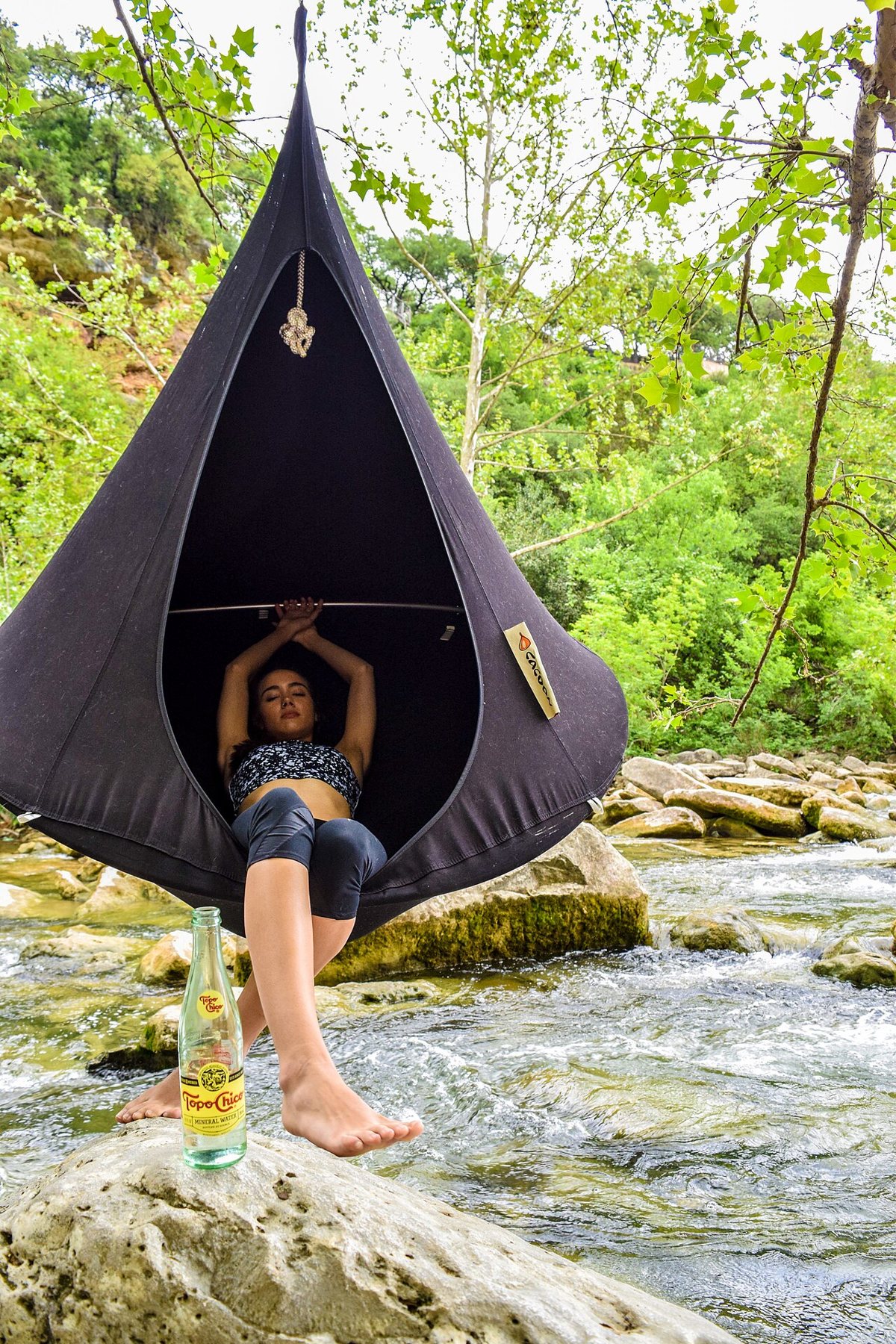
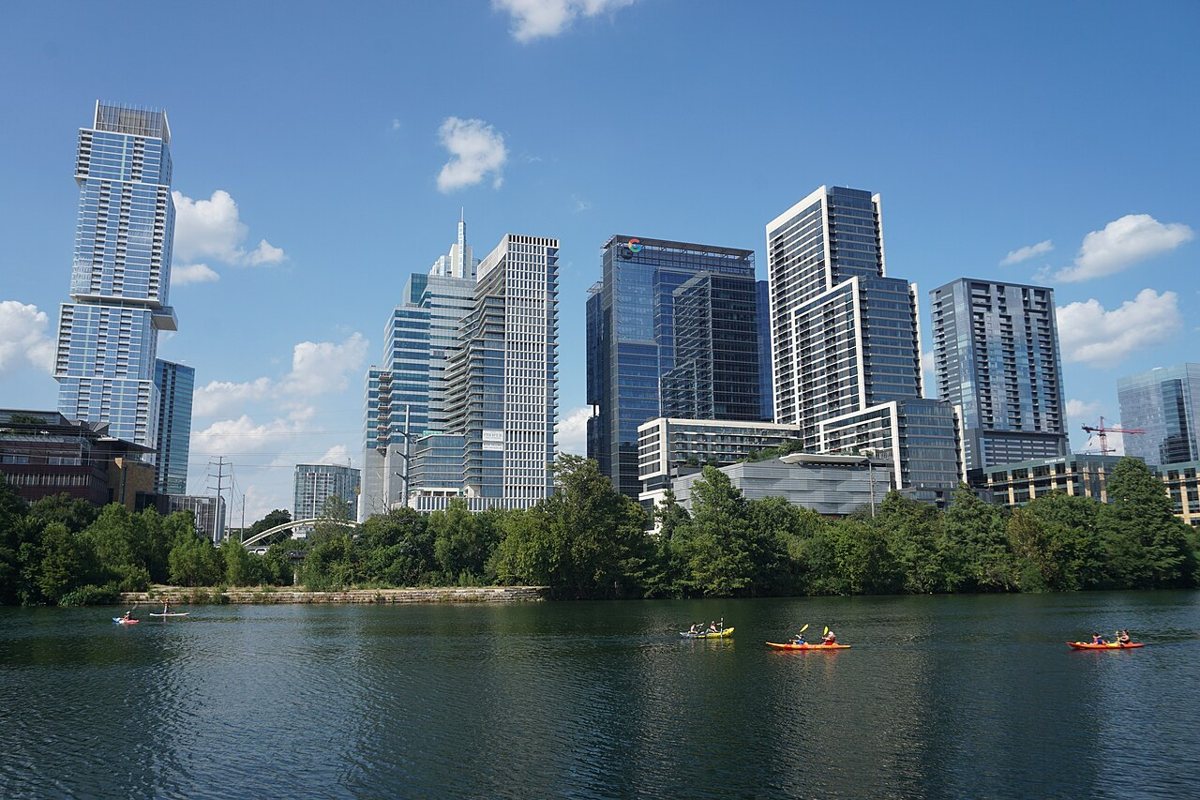
The trail that circles Lady Bird Lake is where the whole city seems to convene on a nice spring evening, runners and stroller-pushers sharing the same crushed-granite loop as rowers out on the water, with downtown rising up on one side. Renting a kayak or a paddleboard from one of the outfitters near the lake is the classic spring move here, and it's a genuinely different way to see the skyline than from the trail itself. The lake stays busy with dragon boat teams and rowing crews training in the cooler morning hours, which is worth watching even if you're not the one paddling. Skip the bridges and the boardwalk downtown if you want room to move; the trail gets crowded there fast. Start instead on the less-trafficked east side near Lady Bird Lake's less developed shoreline and work your way in.

McKinney Falls State Park
McKinney Falls sits on the southeast edge of town and gets overlooked by visitors who never make it past Zilker, which is its own advantage. The park has two sets of limestone falls where Onion Creek drops over wide rock shelves, plus miles of hike-and-bike trail and a swimming hole below Lower Falls that draws a fraction of the crowd Barton Springs does. This is when the falls are most likely to be running with real volume after winter rains, and the surrounding woods are green and shaded in a way that makes the whole park feel cooler than the thermometer suggests. It's also one of the better spots in the area for spotting wildflowers away from any tended garden, scattered loosely through the grass along the trails. Keep in mind this is a genuine state park with entrance requirements and a day-use structure, so check current park rules and closures before heading out, especially after heavy rain when the falls can flood dangerously fast.

Green Space That's Actually Doing Something
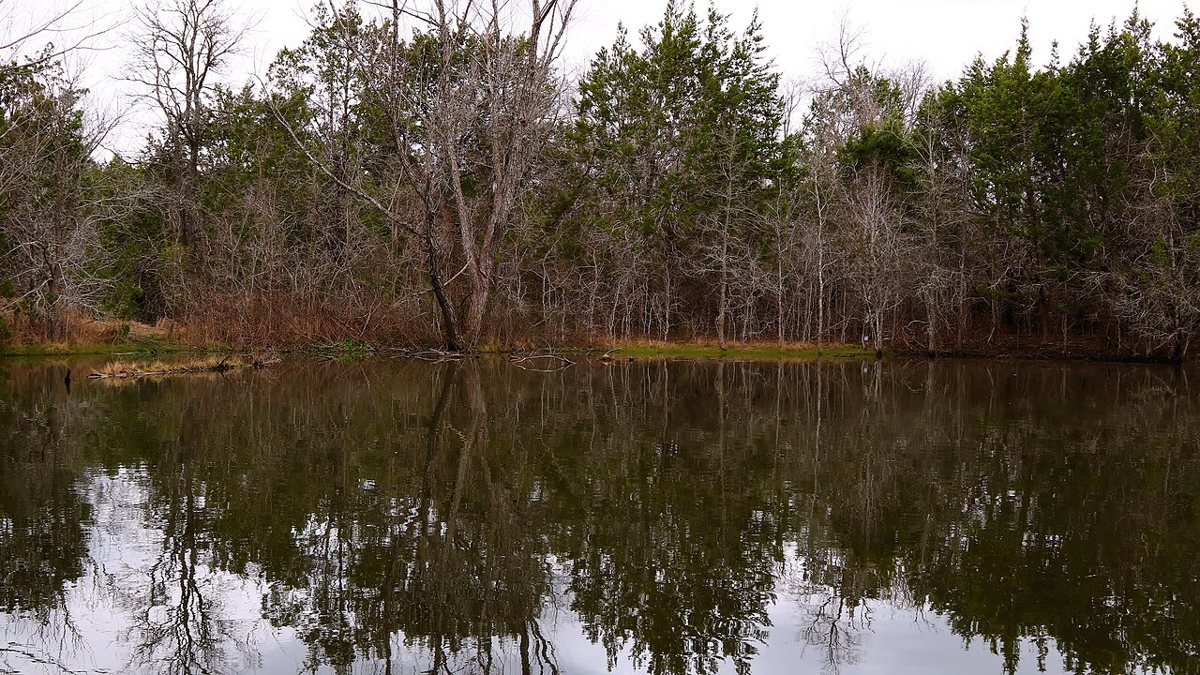
Austin's parks work overtime in spring, hosting impromptu picnics one weekend and full scheduled festivals the next, and they're worth visiting even without an event on the calendar, just to watch the city come back outside after a gray winter.
Zilker Park
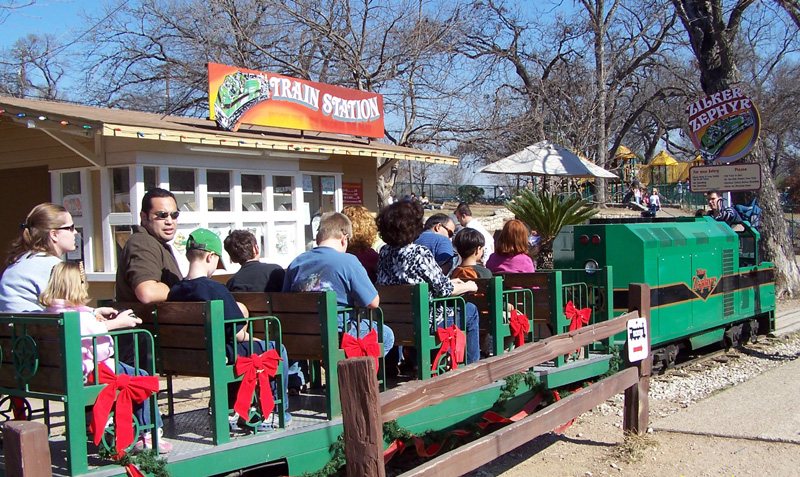
Zilker is the anchor for half of this list, home to Barton Springs, the botanical garden, and a great lawn that turns into a patchwork quilt of blankets on any warm spring weekend. Beyond the swimming, this is where the city holds its big outdoor gatherings and general seasonal events, and even on an ordinary Sunday you'll find kite flyers and disc golfers sharing the lawn with families claiming a patch of grass for the whole afternoon. The park's size means it rarely feels as packed as it actually is, since the crowd spreads out across acres of open lawn and shaded tree lines. Parking fills fast on nice weekends, especially near any scheduled event, so consider biking in on the trail system or parking a bit farther out and walking in rather than circling for a spot near the entrance.

Zilker Botanical Garden
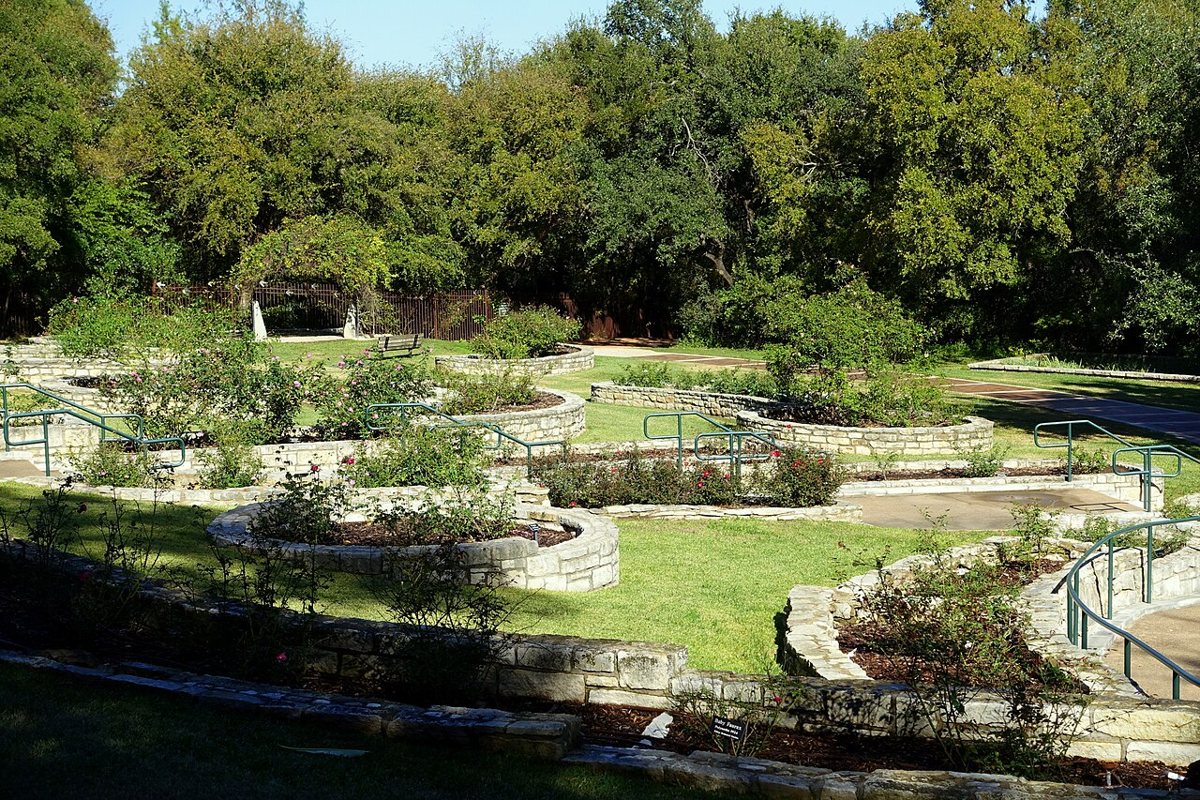
Tucked into the hillside above the rest of Zilker Park, the botanical garden runs on its own quieter schedule, with azaleas and other spring bloomers timed to put on a show while the rest of the park is still waking up. The garden includes a series of themed sections, from a Japanese garden with koi ponds to a rose garden, and the paths wind enough that you can lose the crowd noise from the main park within a few minutes of walking in. It's a smaller, calmer counterpart to the Wildflower Center, better suited to an unhurried hour than a full outing. Wear shoes you don't mind using on stairs, since the garden sits on a slope with uneven stone paths, and go slightly later in the season than you would for bluebonnets, since the azaleas and roses here tend to peak a few weeks after the roadside wildflowers do.

Mueller Lake Park
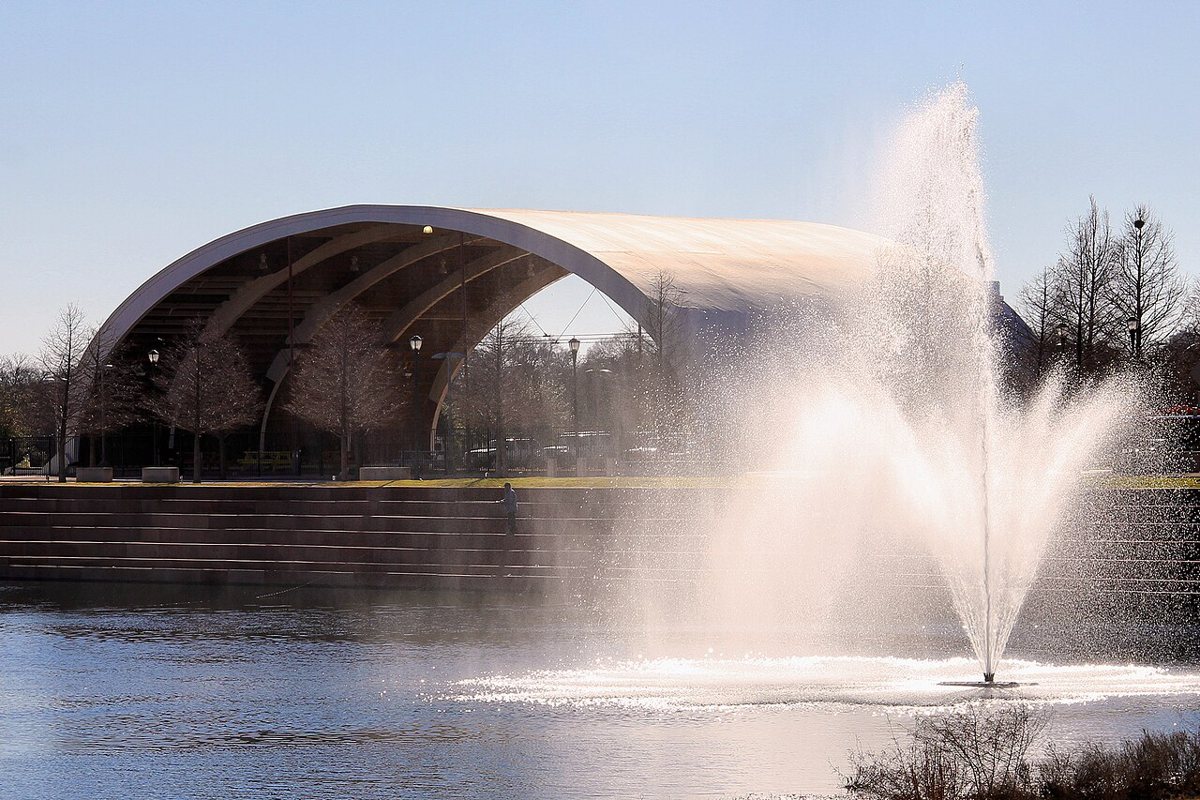
Mueller is the neighborhood built on the old airport site north of downtown, planned from scratch with front porches, walkable blocks, and a park system baked into the design rather than squeezed in afterward. Mueller Lake Park is its centerpiece, a pond ringed by a walking loop that draws stroller crowds and dog walkers. A genuinely good farmers market sets up there on weekends too, when the produce starts turning over from winter roots to spring greens. It's a different flavor of Austin outdoors than the Greenbelt or the lake trail, more suburban-adjacent and family-oriented, but it captures the same instinct to get outside the second the weather allows it. Pair a park visit with the farmers market if the timing lines up, and expect the neighborhood's coffee shops and casual restaurants to have a line out the door on the first warm weekend of the year.

Umlauf Sculpture Garden
Right next door to Zilker Park and Barton Springs sits one of the more overlooked spots on this entire list, a sculpture garden built around the work of Charles Umlauf, set on wooded, terraced grounds that stay shaded and cool even as the day heats up. This is the season when the surrounding trees leaf out fully and the garden beds around the bronze and stone pieces come into bloom, giving the sculptures a backdrop they don't get the rest of the year. It's a genuinely peaceful counterpoint to the crowds a hundred yards away at the pool, and most visitors to the area never make the short walk over. This is one of the few spots on this list where you can count on relative quiet even on a packed Zilker weekend, which makes it a good reset stop between the pool and the botanical garden.
Spring Things to Do in Austin After the Sun Goes Down
Evenings this time of year have a particular quality, warm enough to sit outside without a jacket but not yet so hot that the patio feels like a mistake. This is the season the city's outdoor social life really turns on.
The Congress Avenue Bridge Bats
Every spring, the Mexican free-tailed bats that spend winter farther south return to the crevices under the Congress Avenue Bridge, and the crowd that gathers on the grass below to watch the evening emergence is one of the more genuinely communal rituals this city has. As the colony grows through spring and into summer, the nightly flight gets larger and more dramatic, a dark ribbon pouring out from under the bridge and stretching over the water as it heads out to feed. Locals bring blankets and cheap wine to the grassy slope on the south side of the bridge, or watch from a kayak out on the lake itself, and tourists tend to cluster closer to the railing above. It's free, it happens every clear evening, and it never quite stops being strange and wonderful even if you've seen it a dozen times. Arrive early, with some buffer before dusk, since the exact timing of the emergence shifts with sunset and temperature. Be patient. The bats emerge on their own schedule, not the crowd's.

Patio Season, East Side and Rainey Street
Austin's patio culture wakes up hard in spring, and it's less about any single bar than about the collective decision the whole city makes to move its social life outdoors for a few months. East Austin still holds the real live-music backbone of this town along Red River and the surrounding blocks, taquerias and dive bars sitting next to newer venues in a way that hasn't fully sorted itself out yet, and spring is when those patios and beer gardens fill back up after a quiet winter. Rainey Street, the bungalow-turned-bar strip near downtown, runs a more polished, higher-turnover version of the same idea. Either way, a frozen margarita or a cold Shiner Bock on a patio at golden hour is as close to a required spring activity as this city has. Pair an evening out with a morning taco run the next day to do the season properly, and if barbecue is on the agenda, plan around a plate of brisket earlier in the day, since the good spots tend to sell out well before dinner.
A Little History and Art With Your Sunshine
Not every spring outing needs to involve sweat or sunscreen. A couple of the city's best cultural spaces are also its best-landscaped ones, which makes them worth folding into a spring itinerary rather than saving for a rainy day.
Texas Capitol Grounds
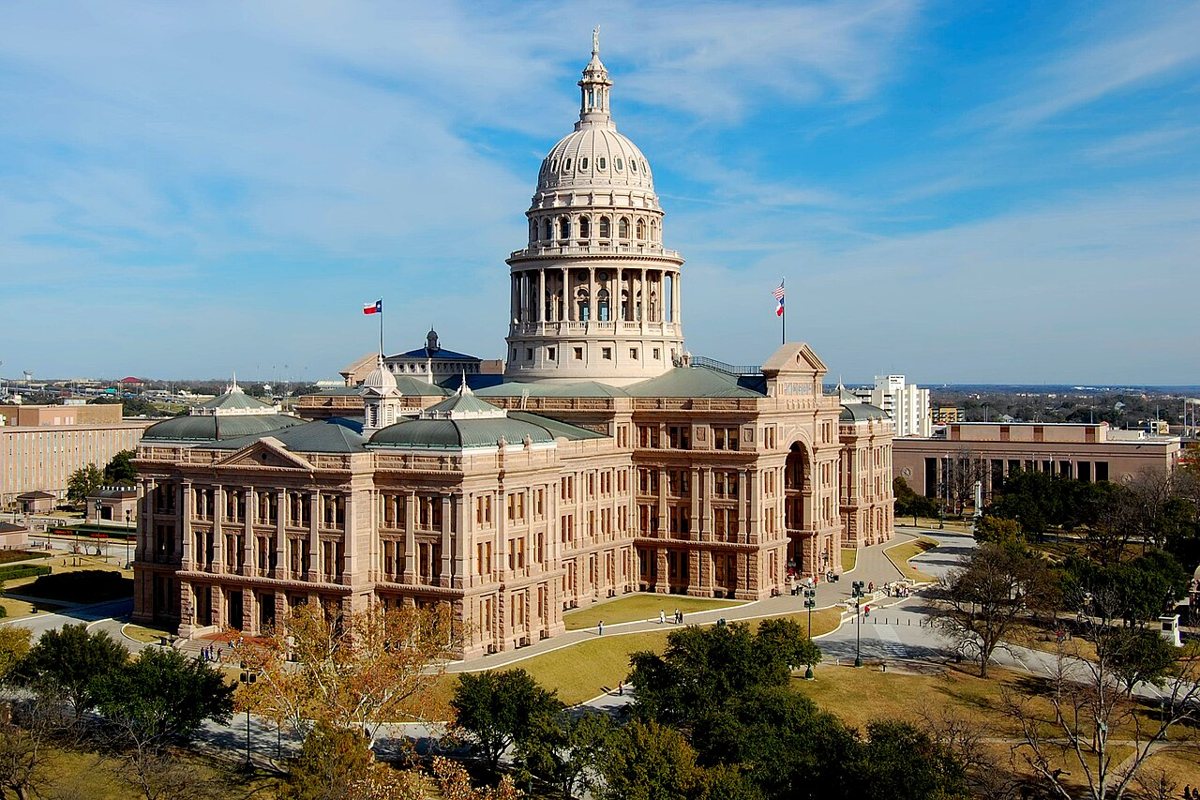
The Capitol grounds function as a genuine public park as much as a seat of government, with mature oak trees and monuments scattered across the lawn. The flower beds get the same attention, clearly a priority for the grounds crew come spring. Walking the grounds costs nothing, and the pink granite building itself, taller than the U.S. Capitol by design, is worth circling at least once even if you have zero interest in the legislature currently in session inside it. This is the time of year when the lawns are at their greenest and the flower beds along the walkways are in full bloom, making an otherwise administrative stretch of downtown genuinely pleasant to walk through. The trick is to pair a Capitol grounds walk with a stroll down Congress Avenue toward the bridge, since the two sit at opposite ends of the same straight shot through downtown and make for a natural afternoon route.

Blanton Museum of Art
The Blanton sits on the edge of the University of Texas campus, near the drag, and holds one of the more substantial art collections in the state, but the real spring draw is as much the building's exterior as anything hanging inside. The museum's entry pavilion, a collaboration with the artist Ellsworth Kelly, is a freestanding structure of colored glass and stone that changes character completely depending on the light hitting it, and spring's clearer skies tend to bring out the color work at its best. Inside, the collection ranges from contemporary work to Renaissance and Latin American pieces, enough to fill a full afternoon without exhausting anyone. Bring the visit full circle with a walk down the drag afterward; the museum sits close enough to campus that it pairs naturally with the bookstores and taco spots that have anchored that strip for decades.


The Practical Stuff
A few things worth knowing before you build out a spring weekend around any of this.
- Traffic here is a genuine daily catastrophe, not a mild inconvenience, and it gets worse on nice-weather weekends when everyone has the same idea at once. Build in extra time for anything near Zilker, the lake trail, or downtown, and consider biking or using rideshare for anything within a few miles of the water.
- Timing matters more than any single date. Bluebonnet peak, azalea bloom, and comfortable swimming temperatures all shift year to year depending on winter rainfall and how early the heat arrives, so check current conditions close to your trip rather than planning off a fixed week.
- A surprising amount of this list is free. The Congress Avenue bats, the Capitol grounds, the Butler Trail, most of the Greenbelt, and the drive-by bluebonnet fields cost nothing but time and gas.
- Mornings are your friend. Nearly every spot on this list, Barton Springs, Mount Bonnell, and the Greenbelt included, is calmer, cooler, and less crowded before ten in the morning than any other time of day.
- Weather can still turn. This season swings between summer-preview days and genuine cold fronts sometimes called blue northers, so check the forecast rather than trusting the calendar alone, especially for anything involving swimming.
Why Spring Is the Season This City Earns
Austin spends a lot of energy selling itself as a party, a tech hub, a festival brand, and most of that sales pitch skips right past what actually makes the place worth living in, which is this specific stretch of weeks when the creeks run, the wildflowers hold on before the mowers get to them, and the heat hasn't yet made the outdoors feel like a punishment. The city is changing fast, and anyone who's watched a bungalow neighborhood turn into a block of new construction knows that nothing here stays the same for long. But the bats still come back. The springs still run cold. The bluebonnets still show up on the shoulder of some farm road whether the city around them is booming or not. Go outside while it's still comfortable to do it. Summer arrives faster here than anyone wants to admit.