South Congress Neighborhood Guide, Block by Block
South Congress sells the same postcard view to everyone who visits, but the strip itself splits into distinct, walkable pieces that reward slowing down.
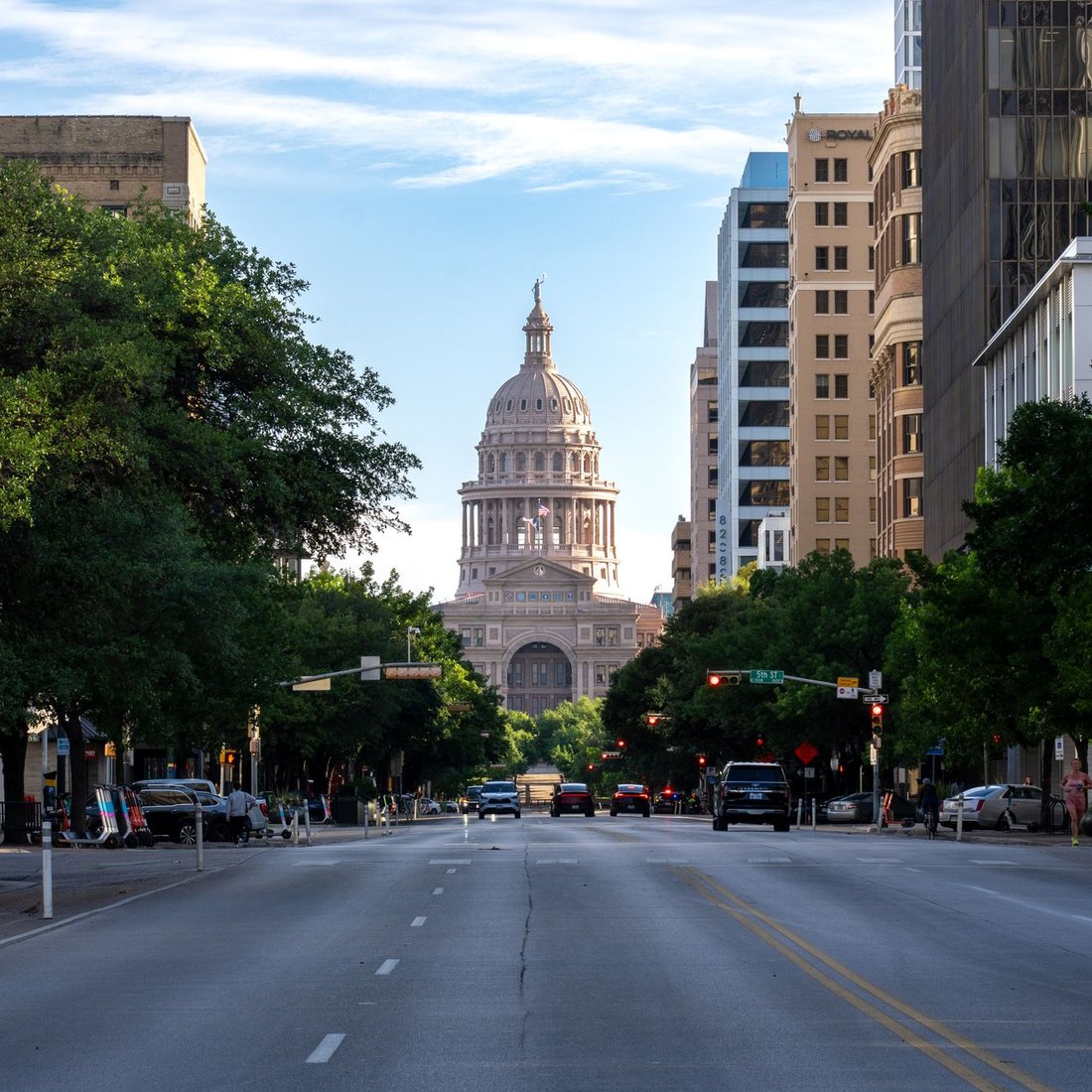
Stand on the South Congress bridge at golden hour and you understand the whole neighborhood in one glance: the Capitol dome glowing pink and gold at the far end of the avenue, framed by a street that used to sell auto parts and tractor tires and now sells hand-poured candles and vintage Levi's. That contradiction is the reason this south congress neighborhood guide treats the strip as several different neighborhoods stitched together rather than one continuous shopping district. Walk it end to end, at a normal human pace, and you can feel the character shift every few blocks, the way property values always seem to leave a mark on a street eventually.
South Congress Neighborhood Guide: Block by Block
South Congress, or SoCo if you must, runs roughly a mile south from the bridge over Lady Bird Lake down toward Oltorf, though the interesting part for most visitors ends well before that. It is not one strip so much as three or four short ones laid end to end, and knowing which stretch you're standing on changes what you should expect from it.
The Bridge and the First Few Blocks
The blocks closest to the bridge belong to through traffic and to tourists with their phones out, and in summer, to anyone waiting for the bats to pour out from underneath the bridge at dusk. This isn't where you linger. It's where the neighborhood announces its whole visual joke: the Capitol lines up almost dead center down the avenue the entire way south, an accident of nineteenth-century street planning that nobody gets tired of photographing. Cross on foot once, even if you're not going anywhere, just to see the skyline over the water.
The Postcard Strip
A few blocks in, the avenue turns into the version of South Congress that shows up on every "Austin things to do" list: cowboy boot shops, secondhand clothing racks spilling onto the sidewalk, gift shops selling armadillo everything, a gravel lot or two of food trailers with picnic tables and string lights. This is also where you'll find the Continental Club, its narrow marquee and neon sign a fixture of the strip since long before anyone called this stretch SoCo, still booking bands most nights of the week. It's worth timing a visit around whatever's on the marquee rather than treating the club as scenery. If you're hunting for breakfast, this end of the strip is a reasonable bet for a breakfast taco trailer with a line out front by mid-morning, corn tortilla, egg, potato, and salsa doing exactly what they're supposed to do.
South of Elizabeth: Where It Gets Quieter
Past the busiest few blocks, the crowds thin and the buildings get lower and older. Motor court motels from the 1930s and '40s sit between newer boutiques, their signage a reminder that this was a highway strip long before it was a shopping destination. Parking gets slightly easier here, the patios get a little less curated, and the street starts handing off from tourist corridor to actual residential neighborhood. Bouldin Creek sits just to the west, quiet bungalow streets that most visitors never wander into, and they're missing something by skipping them.
Past Oltorf: The Working Neighborhood
Keep walking south of Oltorf and South Congress stops performing for visitors almost entirely. Laundromats, taquerias with handwritten specials boards, auto shops, and no-frills bars replace the boutiques. It's a legitimate stretch of the city, not a tourist attraction, and that's precisely the point. This is what most commercial strips in Austin actually look like once you get a few blocks from whatever's being marketed that year.
How to Spend a Day on South Congress
A day here works best with a plan that isn't just wandering into whichever shop has the best window display.
- Park once, on a side street if you can find it, and walk the whole strip instead of driving block to block. Traffic on South Congress backs up fast, especially on weekend evenings, and circling for a closer spot burns more time than it saves.
- Go early if you want breakfast tacos without a line, and go early in summer generally, before the pavement turns into a griddle.
- Cross the bridge on foot at least once, in either direction, for the skyline view that the postcards can't quite capture.
- Browse the vintage and boot shops without a shopping list. The ones worth entering are the ones you didn't plan on.
- Check what's booked at the Continental Club before you go. Central Texas has no shortage of small rooms built for live music, but this one has been doing it longer than most.
The real takeaway about South Congress isn't which block has the best shop or the shortest line. It's that the strip is a fairly accurate snapshot of what's happening to Austin generally, a scrappy, weird corridor getting steadily more polished, more expensive, and more photogenic, while the things that made it worth visiting in the first place hang on in the margins if you know to look for them. Walk the whole mile, not just the postcard part, and you'll see both versions of the city at once.