Where to Eat in East Austin: A Local's Guide
The tacos never left and the smoke never stopped, even as the neighborhood around them changed almost past recognition. Pretending otherwise does the food a disservice.
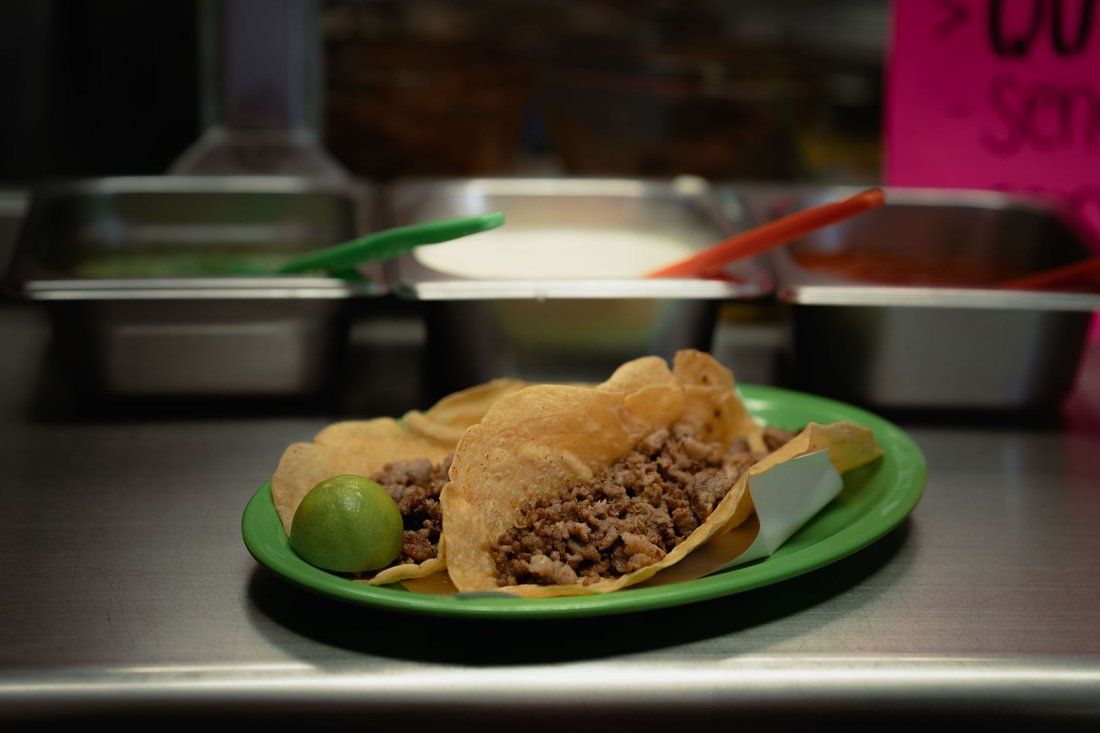
The line for tortillas starts before the coffee does. By seven on a weekday, the gravel lots along East Cesar Chavez already have trucks nosed in at angles, drivers with a foil-wrapped taco in one hand and a phone in the other, engine still running. This is where to eat in East Austin if you want the honest version of it: not one address but a rhythm, a string of taquerias, trailers, and dining rooms that has absorbed two decades of change without losing the thing that made people love it first.
That thing is specificity. Ask five people here what makes a good breakfast taco and you will get five stubborn, closely held opinions, usually settling the breakfast taco argument with a single word: tortilla. Corn or flour, made in-house or not, thick enough to hold egg and potato without folding on you by the third bite. East Austin still has the density to have this argument properly, taqueria after taqueria along Cesar Chavez, Rosewood, and the smaller side streets, most of them open before dawn because the customer base has always included cooks, contractors, and shift workers who eat on a schedule that has nothing to do with brunch.
Where to Eat in East Austin, Corridor by Corridor
Three streets do most of the work, and they eat differently from each other.
East Cesar Chavez and the Taco Trail
This is the oldest ground, closest to the river, and it still runs on trailers and small storefronts that predate the loft buildings now standing over them. Order by asking what they're known for rather than reading the whole board. Barbacoa on weekends specifically, migas if the kitchen makes their own salsa roja, and always get a side of whatever pickled vegetables are sitting in the case. Cash tends to move faster than cards here, and mornings are the whole show. By two in the afternoon a lot of these places have sold out and closed.
Manor Road's Middle Ground
Manor Road threads through Cherrywood into the eastern edge of the neighborhood and reads as the most honest snapshot of what East Austin actually is now: an old icehouse-style bar next to a barbecue trailer next to a newer wine list restaurant, none of them pretending the others aren't there. This is where post oak smoke settles into the morning air by ten and doesn't let up. Brisket is still the test, and East Austin holds its own against the city's newer dining wave. Order it unsauced, let the bark and the smoke ring tell you if the pit knows what it's doing, and don't be shy about asking for the fattier cut if the counter offers a choice.
East 6th and the Newer Wave
Further south, East 6th has become the corridor where the chef-driven restaurants opened over the last several years, the ones with wine programs and open kitchens and prices that would have gotten laughed out of the neighborhood in the nineties. Some of it is genuinely good and worth the visit. A lot of ambitious cooking has landed here because rents, while no longer cheap, were still lower than downtown when the wave started. Go on a weeknight if you want to actually hear your table talk.
What Gentrification Actually Did Here
It is worth saying plainly rather than gesturing at it: East Austin was redlined for most of the twentieth century, home to the city's Black and Mexican American communities by design, not accident, and the food culture here grew out of that history, not despite it. The last twenty years brought investment, rising property taxes, and displacement in roughly that order, and a fair number of the families who built the neighborhood's food identity no longer live in it. Some longtime spots held on through sheer stubbornness and loyal customers. Others didn't make it, priced out by the same land values that make the new restaurants next door pencil out. The honest read is that East Austin's food scene today is a layered thing — old taquerias and icehouses operating a block from restaurants that opened last year, both real, both worth eating at, and neither one canceling out the other's story.
None of this is unique to Austin, but it plays out block by block here in a way that's hard to miss if you're paying attention, and worth acknowledging instead of just posting a taco photo and moving on.
How to Order, When to Go, Where to Park
A few practical notes for actually doing this well.
- Go early for taquerias, especially on weekends — the best-known spots for barbacoa and migas can sell out by midmorning.
- Go early or call ahead for barbecue too. Central Texas pits sell out when the meat's gone, not at a set closing time.
- Weeknights are calmer and cheaper across the board than Friday or Saturday, when East 6th and Rainey Street traffic bleeds into the neighborhood.
- Street parking is real but limited, and a lot of the older taquerias have small gravel lots that fill fast. Budget extra time, especially near East 6th where valet and paid lots have crept in alongside the new construction.
- I-35 and the crosstown surface streets back up hard at rush hour. If you're coming from the west side after five, give yourself thirty extra minutes and don't count on it.
- Tortillas made in-house are usually worth the wait; ask if you're not sure.
The takeaway, if there is one: East Austin doesn't need a nostalgia tour or a hype cycle. It needs people who eat with some awareness of what's underneath the plate: who they're buying from, what's held on and what hasn't, and why a breakfast taco eaten standing up in a gravel lot still says more about this city than most of what gets written about it.