Best Italian Restaurants in East Austin Worth the Trip
The neighborhood's newest wave of Italian kitchens says as much about East Austin's growing pains as it does about good pasta.
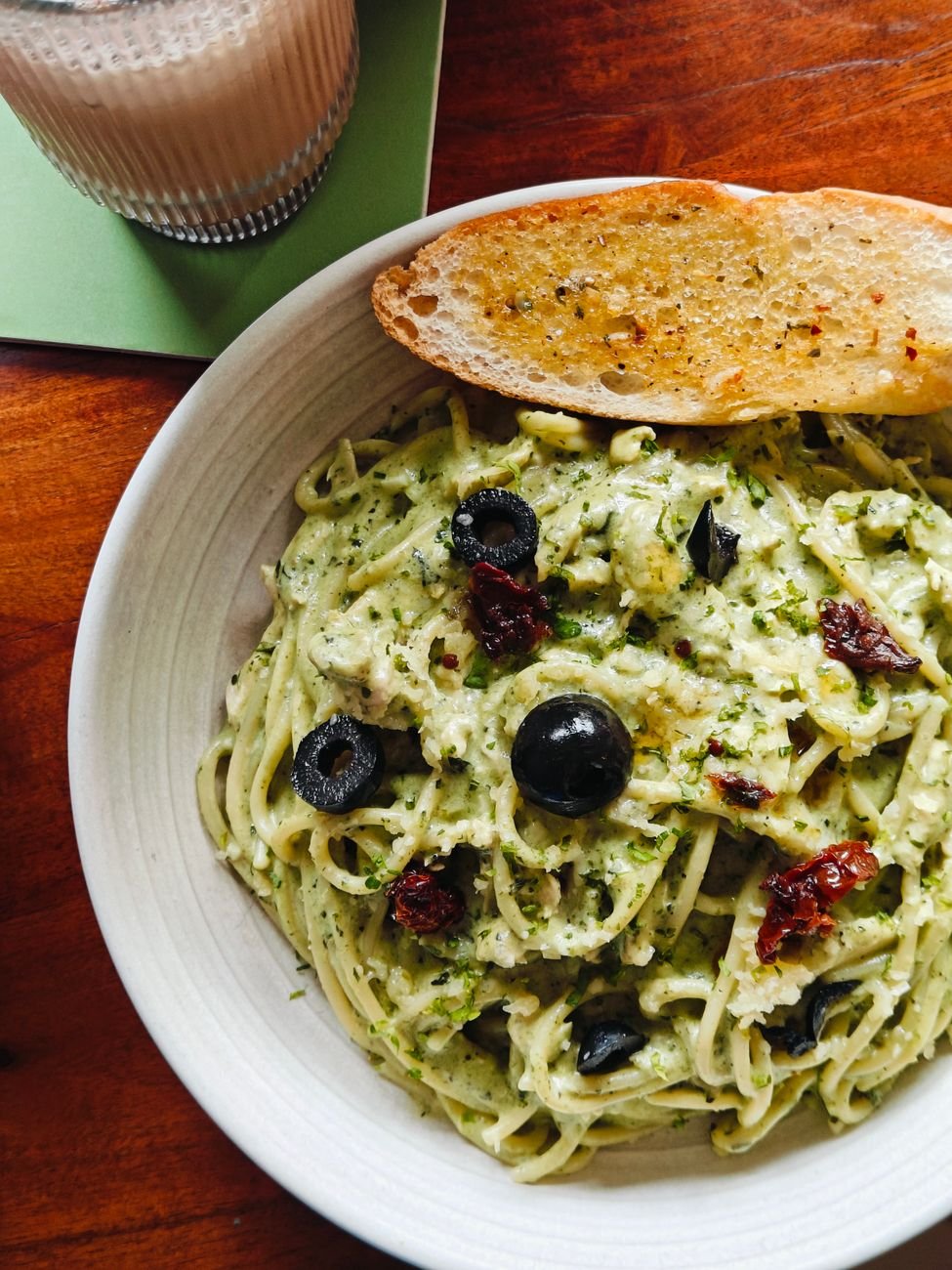
On East César Chávez on a slow Tuesday, the reflection in a taqueria's front window used to tell the whole story of the block: hand-pressed tortillas, a mural peeling under the sun, a truck selling elote at the curb. Now the glass across the street holds a chalkboard advertising burrata and a rotating pasta special, and the smell of browned butter drifts out over sidewalks still cracked from decades of neglect. Search for the best italian restaurants in east austin and you are not browsing a settled category. You are watching a neighborhood argue with itself, one storefront at a time.
East Austin did not build its food identity the way South Austin or Hyde Park did, slowly, over generations of family recipes passed down in the same kitchen. This is historically a Mexican and Black neighborhood, home to the taquerias and dance halls that gave the area its character long before anyone talked about it as a destination. The Italian restaurants that have opened here in the past decade arrived alongside condos, alongside rising property taxes, alongside the kind of investment that turned warehouses near Plaza Saltillo into lofts. Some longtime residents see good pasta on Rosewood or Springdale as one more sign of a neighborhood being priced out of itself. Others see it as proof East Austin can hold both things at once, a panaderia and a wine bar on the same block, without either one canceling out the other.
That tension is worth sitting with before you sit down anywhere. A good meal does not erase what a neighborhood lost to get it, but it also does not have to be treated as the enemy. The chefs cooking Italian food in East Austin right now are, in a lot of cases, the same ones who cut their teeth in kitchens across the city during the 2010s boom, and many of them talk openly about wanting to be neighbors rather than newcomers who just occupy an address. Whether that plays out block by block is something locals will keep deciding for themselves.
Finding the Best Italian Restaurants in East Austin
If you are actually hunting for the best italian restaurants in east austin, skip the algorithm-driven lists and pay attention to a few concrete signals instead. Look at how a place handles bread and oil before the meal even starts. A kitchen that bakes its own bread, or sources it from a real bakery instead of a plastic-wrapped delivery, is telling you something about where its priorities sit. The olive oil on the table should taste like something, grassy or peppery, not like a neutral lubricant. If a restaurant charges for bread and oil and both are forgettable, that is a small tell about the rest of the menu.
Pay attention to pasta shape and texture, not just sauce. Cacio e pepe should coat the noodle in a thin film, not a gluey paste. Hand-cut pasta should show a little irregularity, evidence that a person, not a machine, pulled it through a die or rolled it by hand. If every pasta on the menu arrives drowning in the same tomato base regardless of shape, the kitchen is coasting.
Read the wine list before you read the entrees. A serious Italian kitchen in Austin, a city that did not have deep Italian wine culture a generation ago, will usually put real thought into a list heavy on regional Italian bottles rather than the usual Californian defaults. A few unfamiliar names from Sicily or the Veneto suggest a buyer who cares. A list padded with the same five familiar labels suggests a menu built for volume, not flavor.
What to Order, and What It Tells You
A short list to test any Italian menu in East Austin, or anywhere else in the city:
- Order one dish with anchovies or cured fish, since a kitchen that seasons boldly with something polarizing is usually not playing it safe elsewhere either.
- Ask what flour the pasta uses, because a kitchen that can answer without hesitation is a kitchen that thinks about its own supply chain.
- Check whether the vegetable side dishes change with the season, since a menu frozen in place year-round often signals a kitchen coasting on its pasta list to cover for weaker produce sourcing.
- Notice the balance of olive oil versus butter in the sauces, since Central Texas heat makes lighter, oil-forward cooking feel right for most of the year.
None of this requires insider knowledge or a culinary degree. It requires the same attention regulars already bring to sizing up a new breakfast taco stand against the one they've trusted for years.
A Neighborhood Still Deciding What It Wants to Be
East Austin's Italian restaurants tend to cluster near the same corridors that have absorbed most of the neighborhood's redevelopment: East 7th, East César Chávez, the stretch around Rosewood Park, and the newer construction near the old rail lines by Plaza Saltillo. Walk those blocks and you will pass a decades-old taqueria next to a bar that has hosted touring bands since before anyone called this the east side. A block further, a glass-fronted restaurant shows off a wine cellar through the floor. They belong to the same few blocks, and they are all legitimately part of what East Austin is now.
Locals who remember the neighborhood before the change are not wrong to feel conflicted watching Italian menus multiply where taco trucks used to be the only option after midnight. But treating every new restaurant as identical, as interchangeable proof of gentrification, misses the difference between a chain-backed concept chasing rent money and a chef-owned kitchen trying to build something that lasts. The second kind tends to hire locally, source from Texas farms when the ingredient allows it, and show up at neighborhood events instead of just occupying real estate. You can taste some of that difference, though not all of it, in how a kitchen treats the basics, like the bread or the pasta water saved to loosen a sauce.
None of this is a reason to skip Central Texas barbecue on your way east, either. A weekend built around a smoked brisket lunch at a barbecue trailer and an Italian dinner a few miles away is not a contradiction. It is closer to how the neighborhood actually eats now, old standbys and new arrivals sharing the same zip code, sometimes the same block.
The takeaway is simple enough to carry into your next reservation. Judge East Austin's Italian restaurants the way you would judge any kitchen in this city: by the care in the pasta, and by whether the place feels like it is trying to become part of the neighborhood or just trying to profit from its address. The good ones are out there, and they earn the trip on their own terms, not because a headline told you to go.